MC
MandarinClips Cinema Corpus
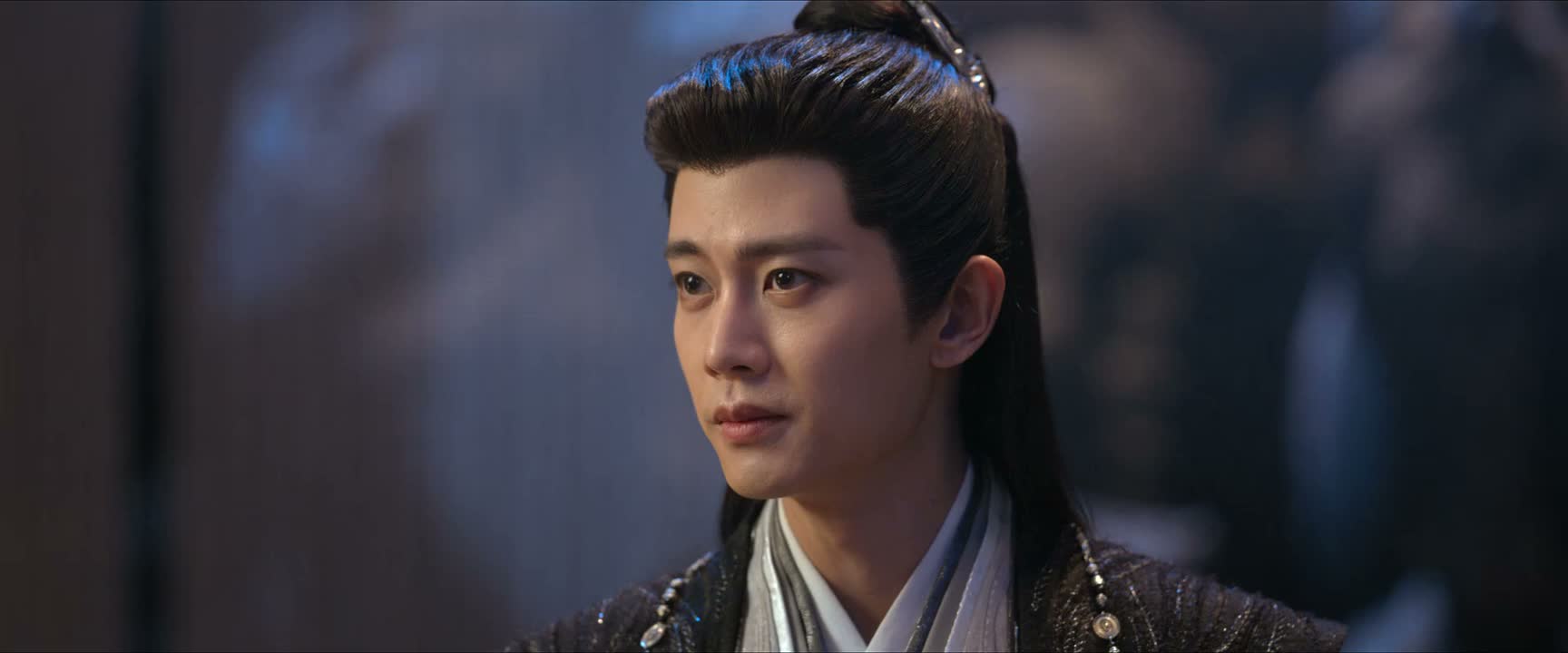
《About Love》 S1·E3 (08:49) HSK 6
yòu zěn me néng miáo huì chū sī xīn liè fèi de tòng ne

又怎么能描绘出撕心裂肺的痛呢

“how could one paint such tearing pain?”

《About Love》 S1·E3
TIMECODE: 08:49 · 1080P MASTER AUDIO

THE DIALOGUE REEL

1+1+1 SPOKEN CONTINUITY
[-1] PREVIOUS TURN méi yǒu céng jīng cāng hǎi de xīn

没有曾经沧海的心

“Without ever facing real heartbreak,”

yòu zěn me néng miáo huì chū sī xīn liè fèi de tòng ne CURRENT FOCUS

又 怎么能 描绘出 撕心裂肺 的痛 呢

“how could one paint such tearing pain?”

[+1] FOLLOW-UP TURN nǐ de zuò pǐn kàn shì fàng dàng bù jī

“Your art seems wild and free,”

Subtitles synced to millisecond timecode Browse Show Clips →
Scene: School & Education
Function: CRITIQUING
Tone: PHILOSOPHICAL
Emotion: SKEPTICISM
WHAT THEY REALLY MEAN (PRAGMATIC SUBTEXT)
“You cannot paint real agony because you have never truly suffered.”
💡 Cultural Insight: Suffering as Artistic Authenticity

In traditional Chinese aesthetics and literary criticism, deep artistic expression is believed to require profound personal suffering and life experience (often referenced as '曾经沧海').

INTENT TAGS: #critiquing #rhetorical_question #evaluating #philosophizing
🧩

LEARNING CHUNKS & PARTICLES

2 CHUNKS · 1 PARTICLES
撕心裂肺 SPOKEN CHUNK

heart-wrenching; excruciating

A set idiom (chengyu) describing extreme emotional pain or devastating sorrow, commonly paired with crying, screaming, or suffering.

又怎么能 SPOKEN CHUNK

how could one possibly...

A rhetorical framing used to forcefully argue the impossibility or unlikelihood of an outcome.

Modal Particle「呢」 (ne) CHANGE OF STATE

Reinforces the reflective, rhetorical tone of the question.
🏮

VOCABULARY & EXPRESSIONS

2 EXPR · 2 GRAMMAR
CROSS-CINEMA CORPUS BOARD · PARALLEL SCENES

Parallel Spoken Cinema Scenes (语义近邻切片)

EXPLORE BY SEMANTIC SIMILARITY
《About Love》 S1·E3 (08:49) · Authentic Cinema Dialogue Corpus