谁叫你乱称呼的 讨厌
“Who told you to call me that? Stop it.”
THE DIALOGUE REEL
嫂嫂
“[Daughter of the Tian family, Tian Ronghua] Sister-in-law.”
谁叫你 乱称呼的 讨厌
“Who told you to call me that? Stop it.”
“My good sister-in-law, what magic spell did you cast on my brother?”
“Stop teasing me, it makes me blush even though I secretly enjoy it.”
In Chinese culture, words of annoyance like '讨厌' often signal intimacy and playful flirtation rather than genuine hostility, establishing romantic rapport.
LEARNING CHUNKS & PARTICLES
who told you to / whose fault is it that you
A frequent colloquial pattern used to challenge someone's action or playfully shift blame.
to address improperly or carelessly
Used when someone calls another person by an inappropriate, overly intimate, or incorrect title.
annoying / stop it (playful)
Often uttered by women in romantic contexts to express coquettish resistance rather than genuine dislike.
Functions here in the 'shi...de' construction to mark focus on the manner and impropriety of the action.
VOCABULARY & EXPRESSIONS
Parallel Spoken Cinema Scenes (语义近邻切片)

“She shouldn't be saying that stuff to you.”

“Who told you to say such unlucky things?”

“And you call me nosy? Then I won't get him for you.”

“Whose fault is that you never listen?”

“That's a very distant way to address your husband.”
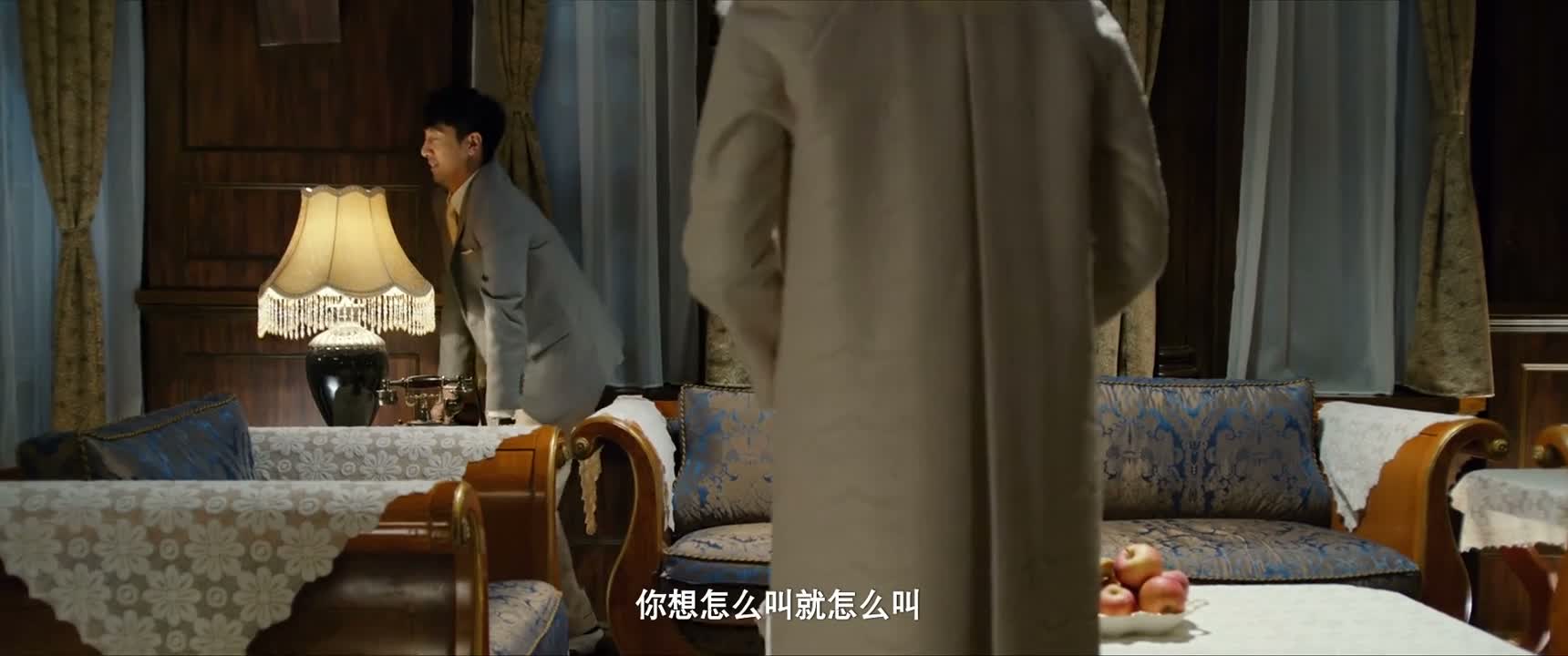
“Call me whatever you want.”