这事也不能全怪白菊 不怪她怪谁
“We can't blame this all on Bai Ju. If not her, then who?”
THE DIALOGUE REEL
你刚才太冲动了啊
“You were too impulsive just now.”
这事 也不 能全怪白菊 不怪她怪谁
“We can't blame this all on Bai Ju. If not her, then who?”
“Reporter Shao was right. You just go around blaming everyone.”
“Stop scapegoating her completely, but who else could possibly be responsible?”
In group disputes, neutral parties often use moderate framing ('不能全怪') to maintain group harmony, while confrontational speakers use rhetorical absolutes to pin down responsibility.
LEARNING CHUNKS & PARTICLES
cannot put all the blame on
A common mitigating chunk used in arguments to diffuse absolute liability away from a single party.
who else to blame if not her
A sharp rhetorical formula ('不怪A怪谁') used to assert that someone is unmistakably and exclusively at fault.
VOCABULARY & EXPRESSIONS
Parallel Spoken Cinema Scenes (语义近邻切片)
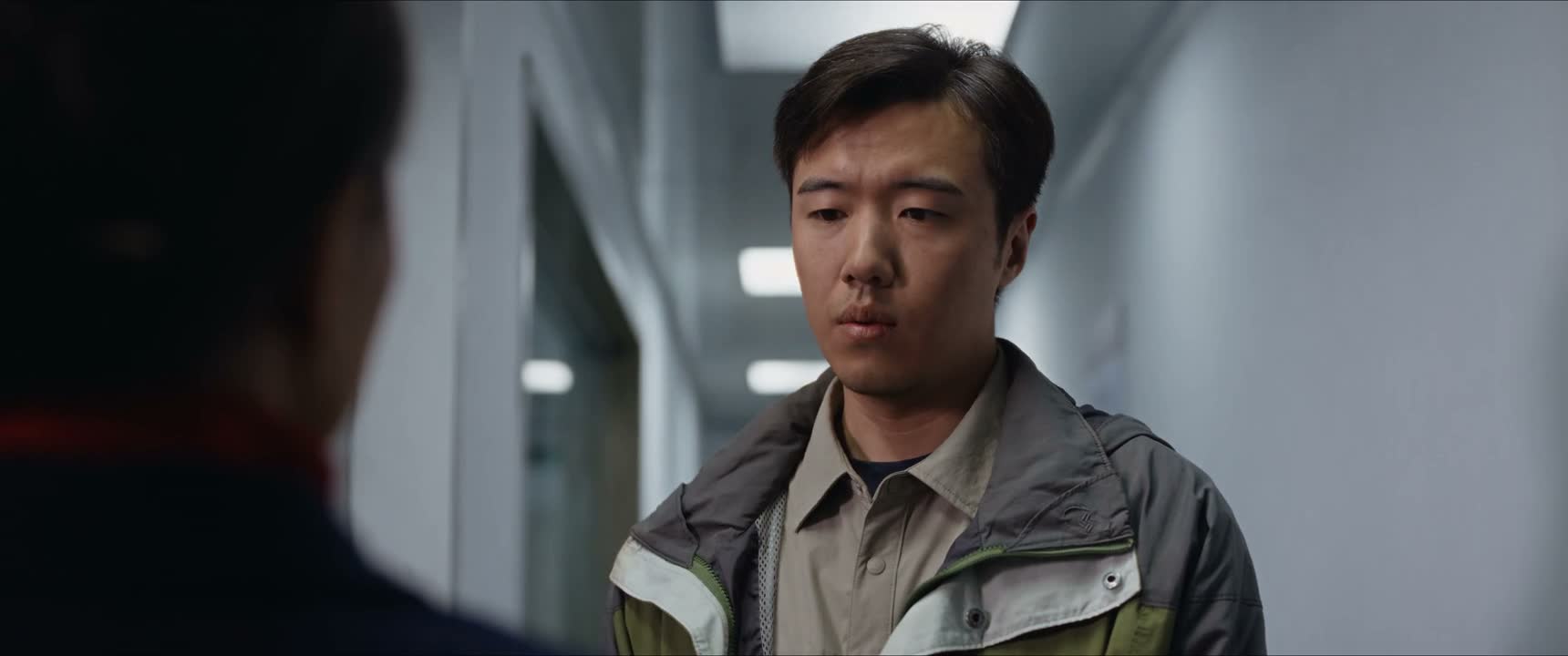
“Bai Ju and I didn't mean to keep it from you.”
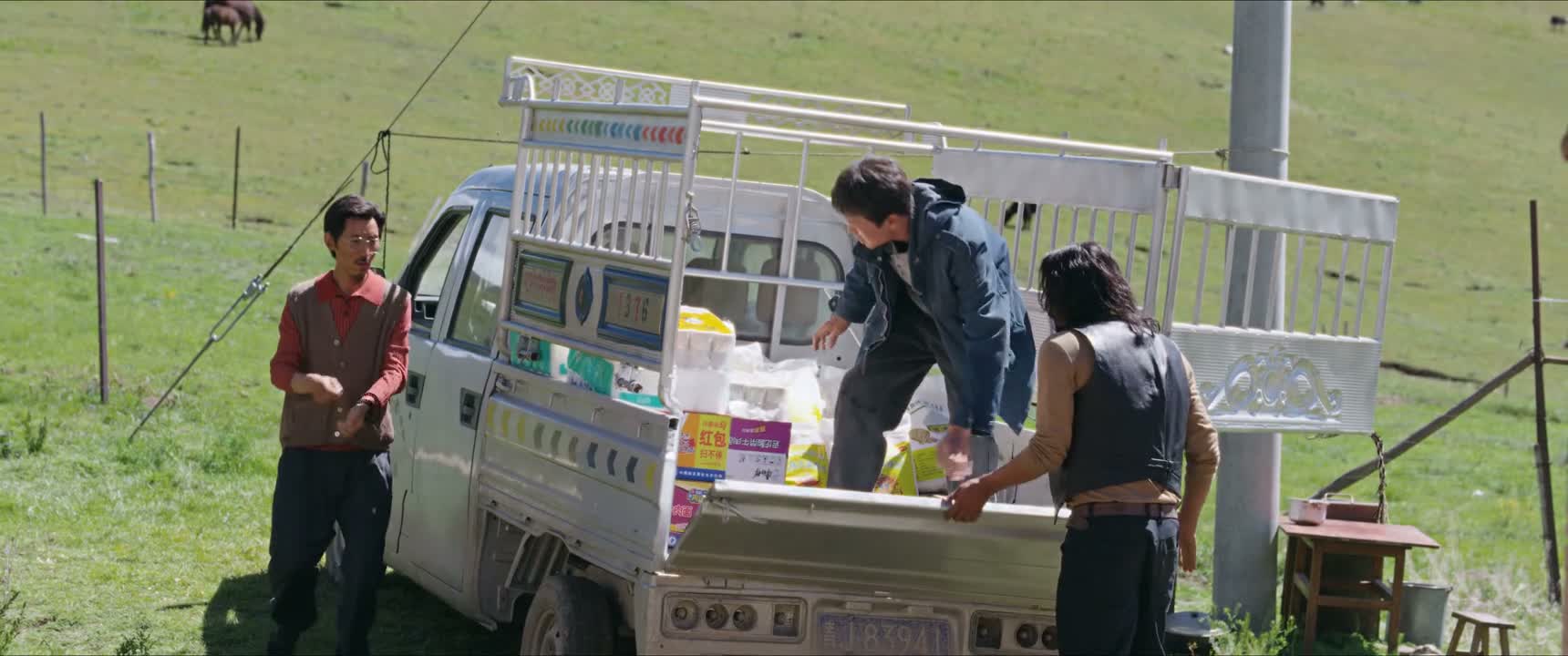
“I heard that a few days ago, you were caught by Bai Ju.”

“I saw how you took care of Bai Ju.”
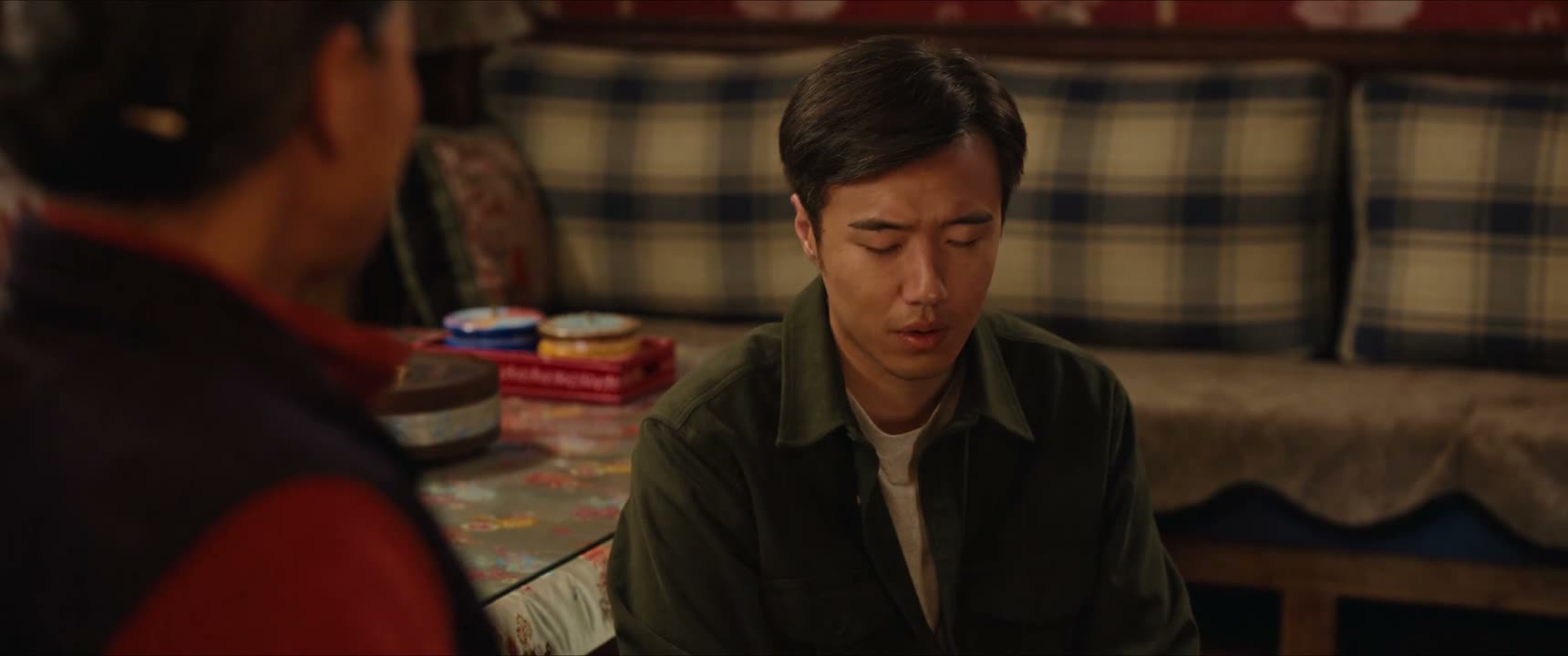
“it's not up to me. It's up to Bai Ju.”

“Bai Ju will definitely not let this go.”
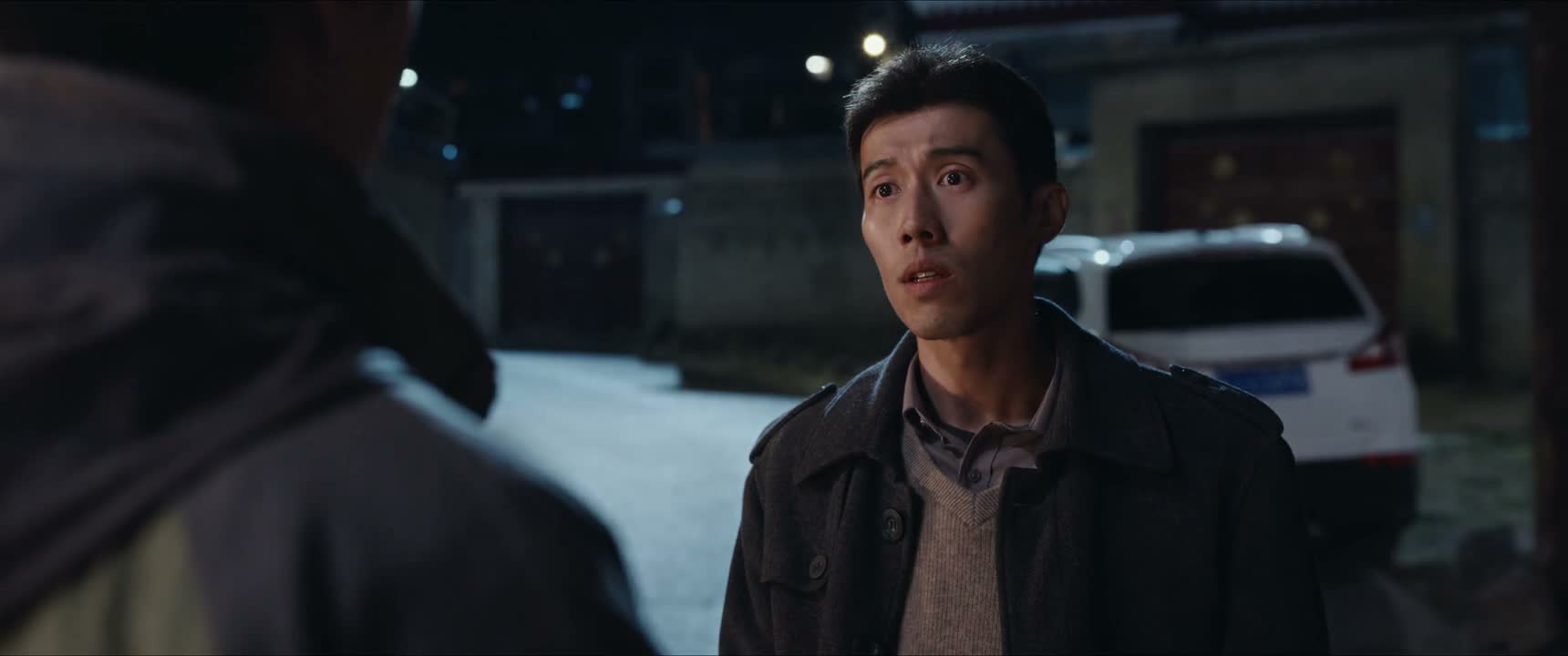
“I love Bai Ju deeply. I always have.”