是他老人家 手痒 没脸来
“the old man got the itch to do it again but was too ashamed to show his face,”
THE DIALOGUE REEL
怎么
“What,”
是他老 人家 手痒 没脸来
“the old man got the itch to do it again but was too ashamed to show his face,”
“so he sent you to sneak in and muddle through? Don't you dare slander my grandfather.”
“Your grandfather is too much of a coward to face me after pulling a dirty trick.”
Using the deferential honorific '他老人家' immediately alongside insults like '没脸' heightens the sarcasm and directly attacks the family's dignity.
LEARNING CHUNKS & PARTICLES
itch to do something (often mischievous, gambling, or fighting)
Used colloquially when someone has an irresistible urge to meddle, participate, or show off their skills.
shameless; too embarrassed or disgraced to face someone
Used to describe someone who lacks the face or dignity to show themselves due to wrongdoing.
VOCABULARY & EXPRESSIONS
Parallel Spoken Cinema Scenes (语义近邻切片)

“That old man put his hands all over you all day.”
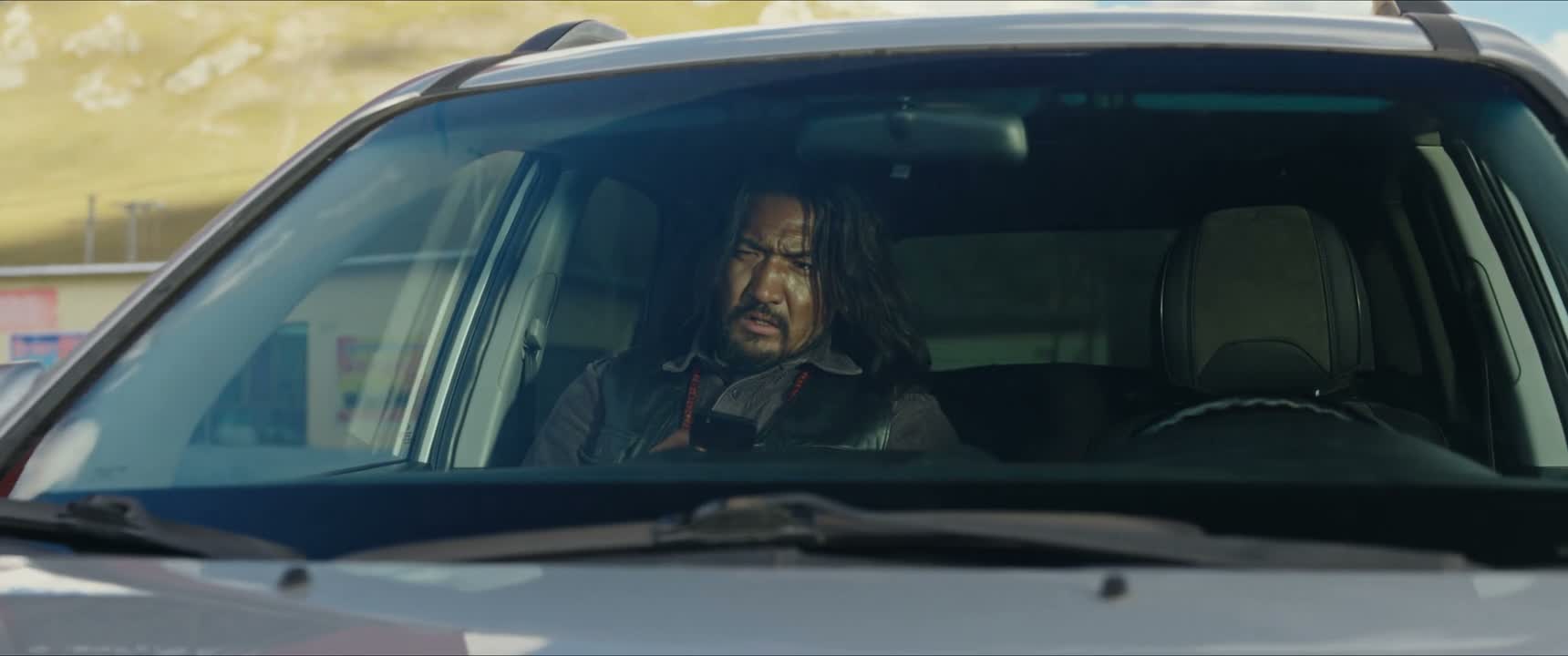
“Really getting old. So slow.”
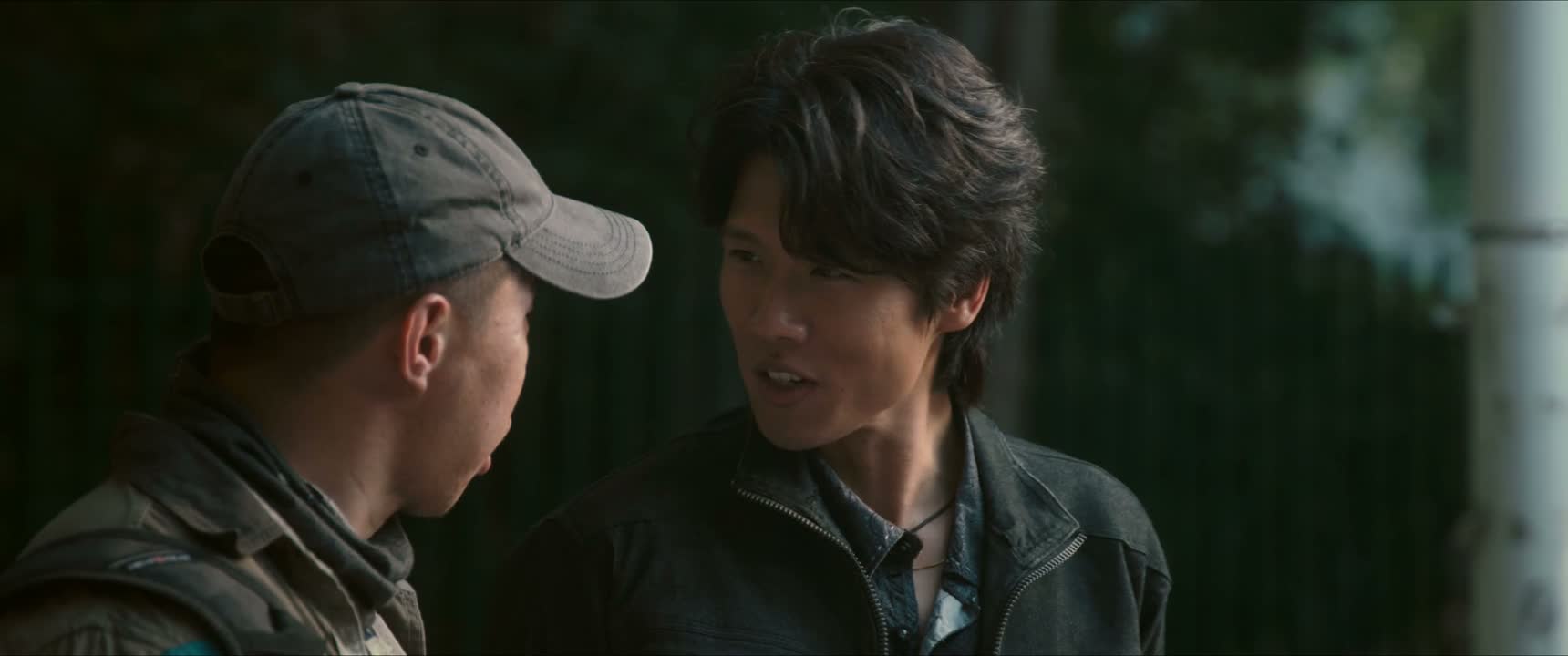
“He makes big money—”

“I wonder if he could give me a hand.”

“and he asked me to pass along one more thing:”

“He's always so polite with me.”