谢谢你啊 买单啦
“Thanks. How do I pay?”
THE DIALOGUE REEL
什么都可以买到
“I can buy anything I want.”
谢谢你啊 买单 啦
“Thanks. How do I pay?”
来 这边 这边
“Over here.”
Direct spoken expression in this communicative setting.
Originating from Cantonese, 'mai dan' is universally adopted across Mandarin-speaking regions as the polite, standard way to ask for the bill at eateries.
LEARNING CHUNKS & PARTICLES
thank you
A warm and casual way to say thanks to service staff or acquaintances.
pay the bill / get the check
The standard and ubiquitous colloquial term for asking for the check at restaurants or retail shops.
Adds warmth and friendliness to the gratitude.
Indicates completion or prompts an action in a lively, upbeat tone.
VOCABULARY & EXPRESSIONS
Parallel Spoken Cinema Scenes (语义近邻切片)
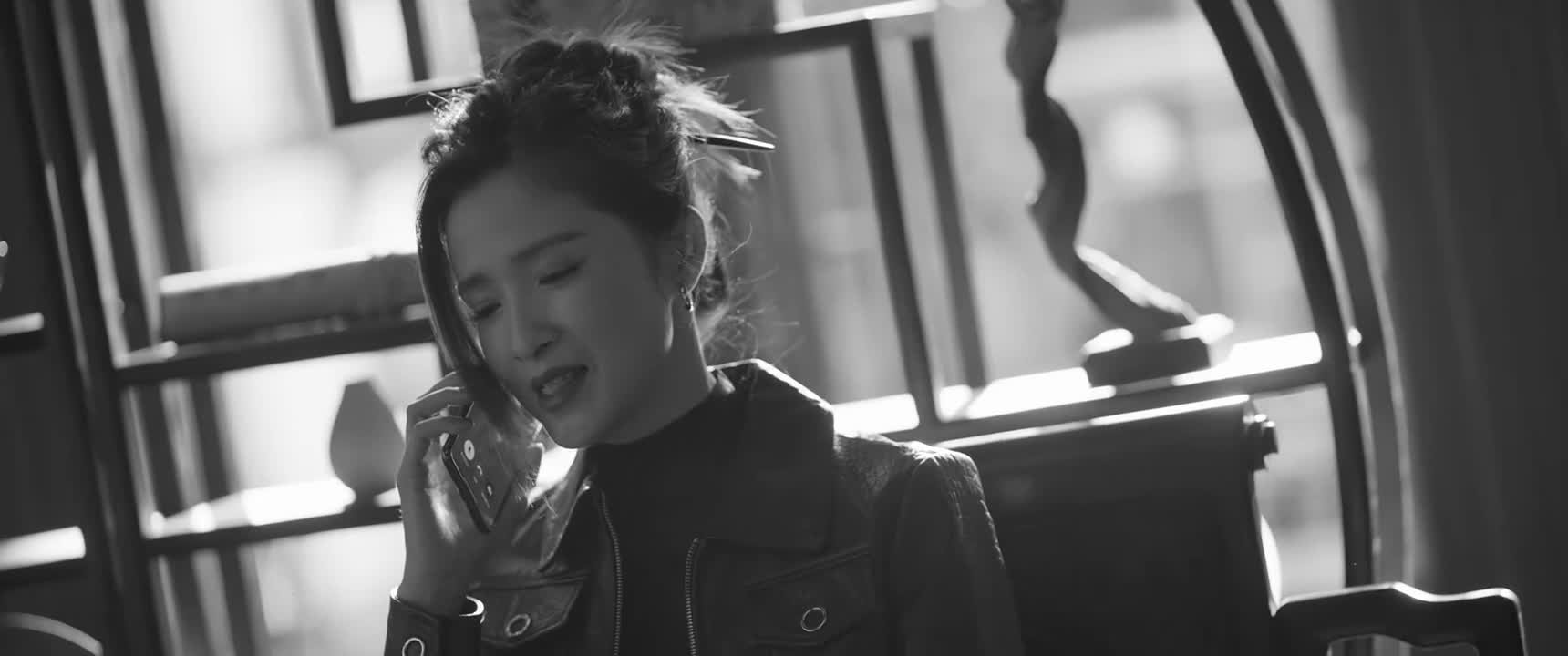
“Thank you, you've worked hard.”

“Thank you. You brought me here today. I know what you want.”

“♪ Wandering alone, gaining strength through pain ♪ Thank you for helping them turn the tide.”

“Thank you so much! Come on, son. Give her a bow.”

“Thank you. Thank you.”

“Thank you -To celebrate my birthday, you came... -You think too much.”