买单
mǎi dānCommon spoken expression used by native Chinese speakers in daily life.
[Scene: 餐饮美食]
(16 clips)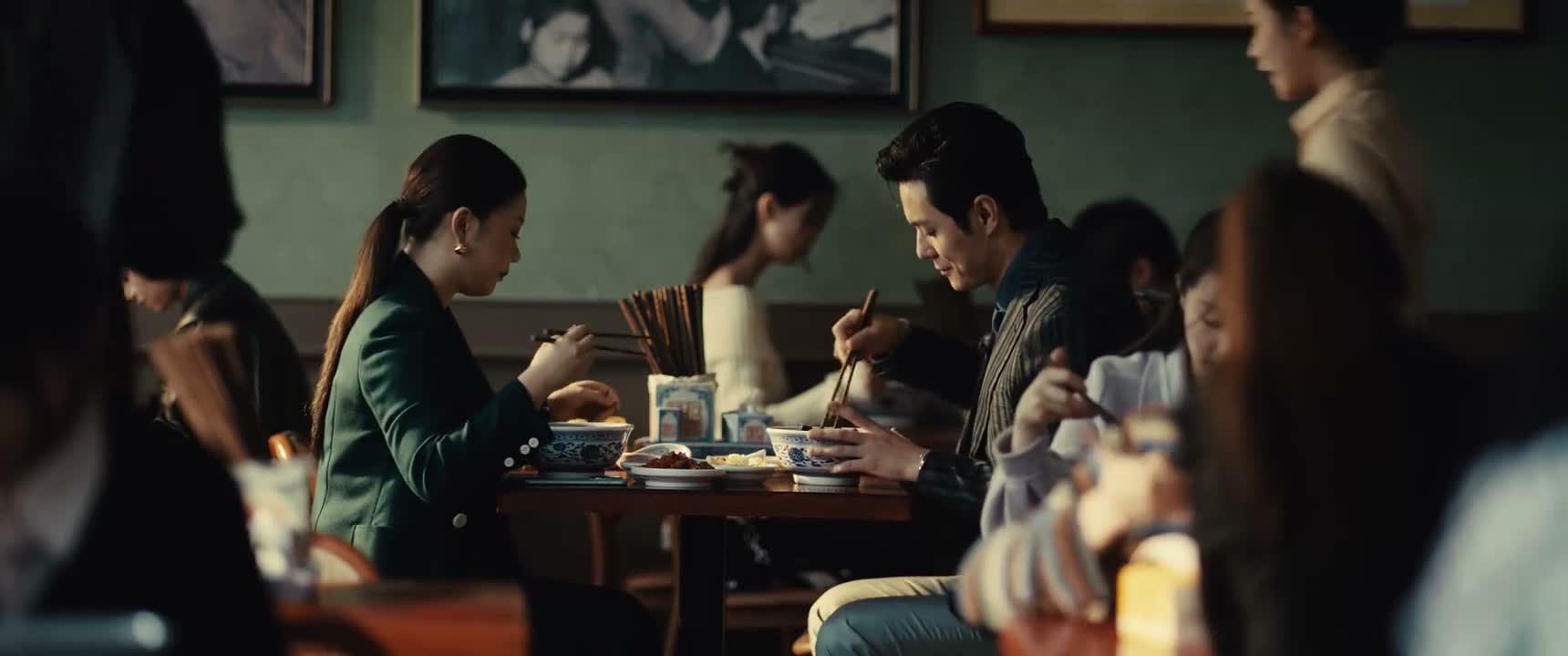 00:03
(那是因为你还没有 吃到几样特别好吃的东西) ── Previous context
“Excuse me. Your dishes are all served. Please settle the bill first.”
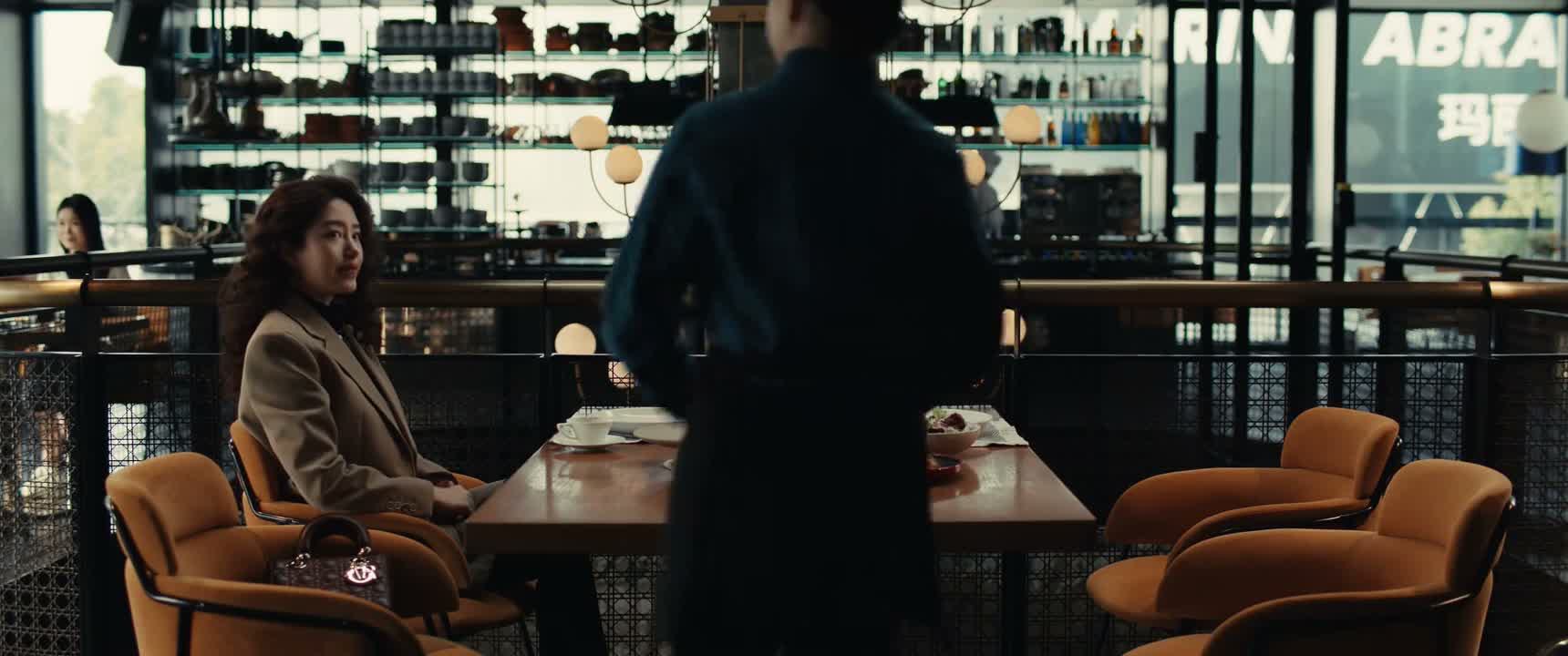 00:02
“Bill, please, and help pack these up, too.”
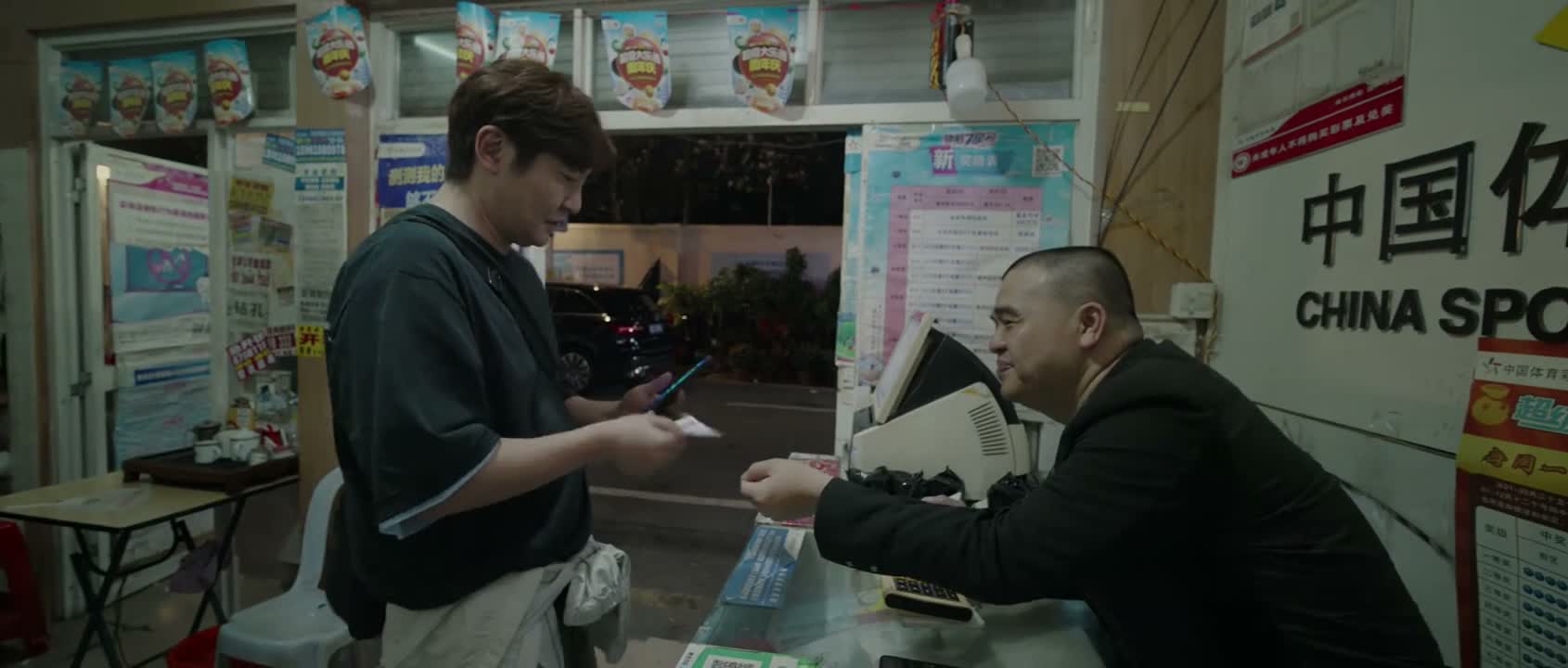 00:02
 00:03
(老板 要一份叉烧饭 两份 两份) ── Previous context
“Two? Okay, two char siu rice. Sir, I'm paying!”
 00:02
 00:02
 00:02
 00:02
 00:02
 00:03
(我们这里 没龙井啊 只有红茶啊) ── Previous context
“Today's on you. - Well, I thought - Sure. this is a teahouse.”
 00:02
(各自点各自的吧) ── Previous context
“Go tend to the guests. They'll all pay. Okay. I'm on it right away.”
 00:02
 00:02
(是不是说好了 昨晚上你请我吃火锅) ── Previous context
“Why did you go to the toilet when we were going to pay the bill?”
 00:02
 00:03
(都是蕾蕾订的座) ── Previous context
“Waiter, check please. Certainly. Sir, did you drive here?”
 00:02
(你是没吃饱还是吃撑了) ── Previous context
“I'm stuffed. I was just joking. Check, please!”
[Scene: 社交聚会]
(5 clips) 00:02
 00:03
(上次阿娘面五十八块钱) ── Previous context
“and he kept trying to get you to pay. Not every woman”
 00:03
(请你吃宵夜啊 好啊 正好我也饿了 不过我对自己) ── Previous context
“one rule. If a student treats me, I have to pay.”
 00:02
(你别总当着小名的面 炫耀你家多有钱) ── Previous context
“It's so awkward to pay for her stuff at the mall.”
 00:02
[Scene: 其他场景]
(4 clips) 00:02
 00:03
 00:02
 00:02
[Scene: 职场工作]
(3 clips) 00:02
 00:02
 00:02
[Scene: 其他场景]
(2 clips) 00:02
 00:02
[Scene: 商务沟通]
(1 clips) 00:03
(不明显的改变 花费这么多成本) ── Previous context
“The customer is ultimately the one who pays, and I don't think they'll pay for it.”
[Scene: 警匪刑侦]
(1 clips) 00:02
📌 免费
→Nuance: 同向近义词根配对: [需要 ↔ 要求]
📌 还不是
→Nuance: 核心意图一致,均指终究由对方买单
📌 您好
→Nuance: 同为餐厅服务员通知餐品就绪
📌 合着
→Nuance: 意思相近,用口语引出同样道理
📌 对你好
→Nuance: 同指人际交往中需自立,表述不同
📌 赶紧
→Nuance: 同向近义词根配对: [服务员 ↔ 服务生]
📌 负责任
→Nuance: 买单是口语化地道表达变体