怎么买单的时候 你又跑厕所去了
“Why did you go to the toilet when we were going to pay the bill?”
THE DIALOGUE REEL
是不是说好了 昨晚上你请我吃火锅
“You agreed to treat me to hot pot last night, right?”
怎么 买单 的时候 你 又跑厕所去了
“Why did you go to the toilet when we were going to pay the bill?”
谁 谁跑了
“No,”
“Cut the act; you purposely disappeared so I would pay instead.”
In Chinese social culture, offering to treat friends establishes goodwill; ducking the bill using excuses like going to the bathroom is a classic trope often playfully or resentfully called out among close peers.
LEARNING CHUNKS & PARTICLES
to pay the bill (at a restaurant)
A very common everyday phrase used when requesting or paying the bill after dining out.
slip away to the restroom
Often used colloquially to imply dodging an awkward moment or financial responsibility by ducking into the bathroom.
Marks the completion of an action while underscoring the speaker's noticing of the event.
VOCABULARY & EXPRESSIONS
Parallel Spoken Cinema Scenes (语义近邻切片)

“Let's go pay. Are we really buying it?”

“You're shopping? Why didn't you ask me to come along?”
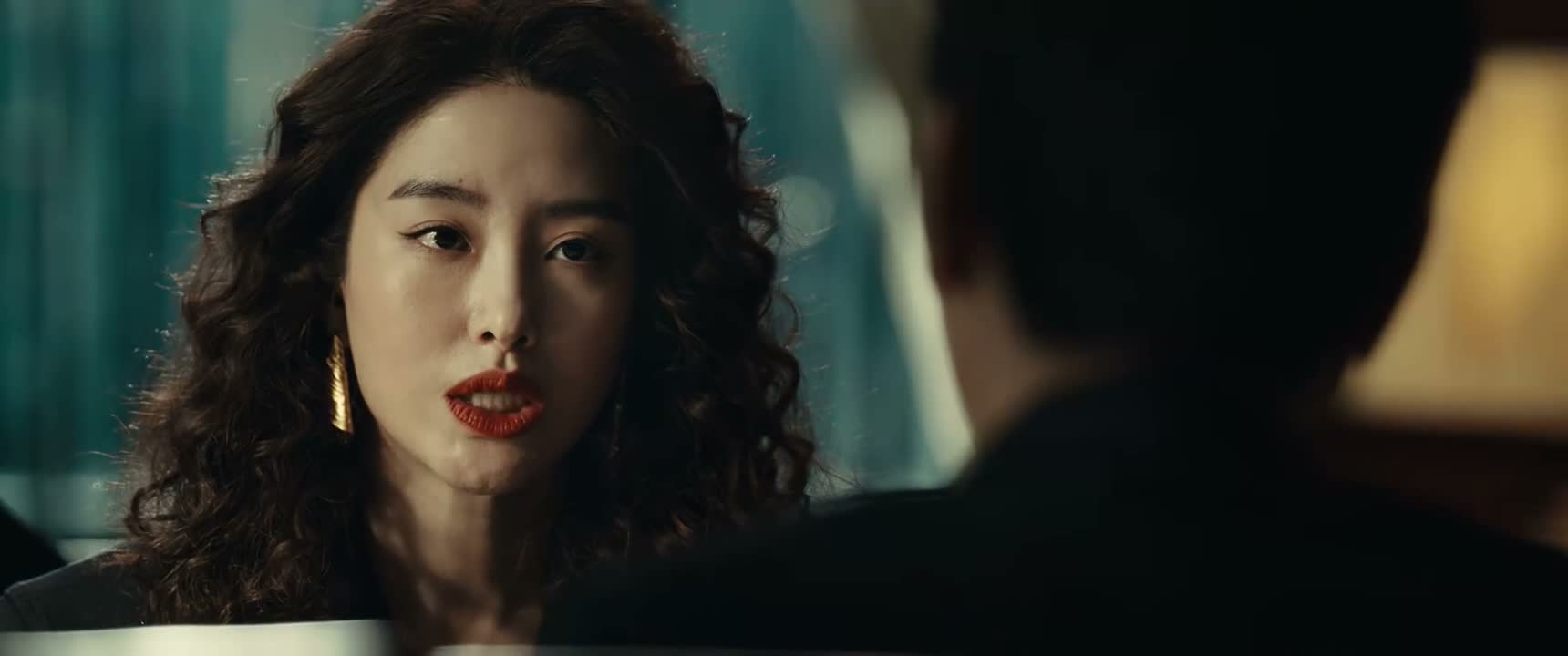
“I asked for your help, so I cannot let you pay.”

“It's fine. Your makeup has been smudged.”
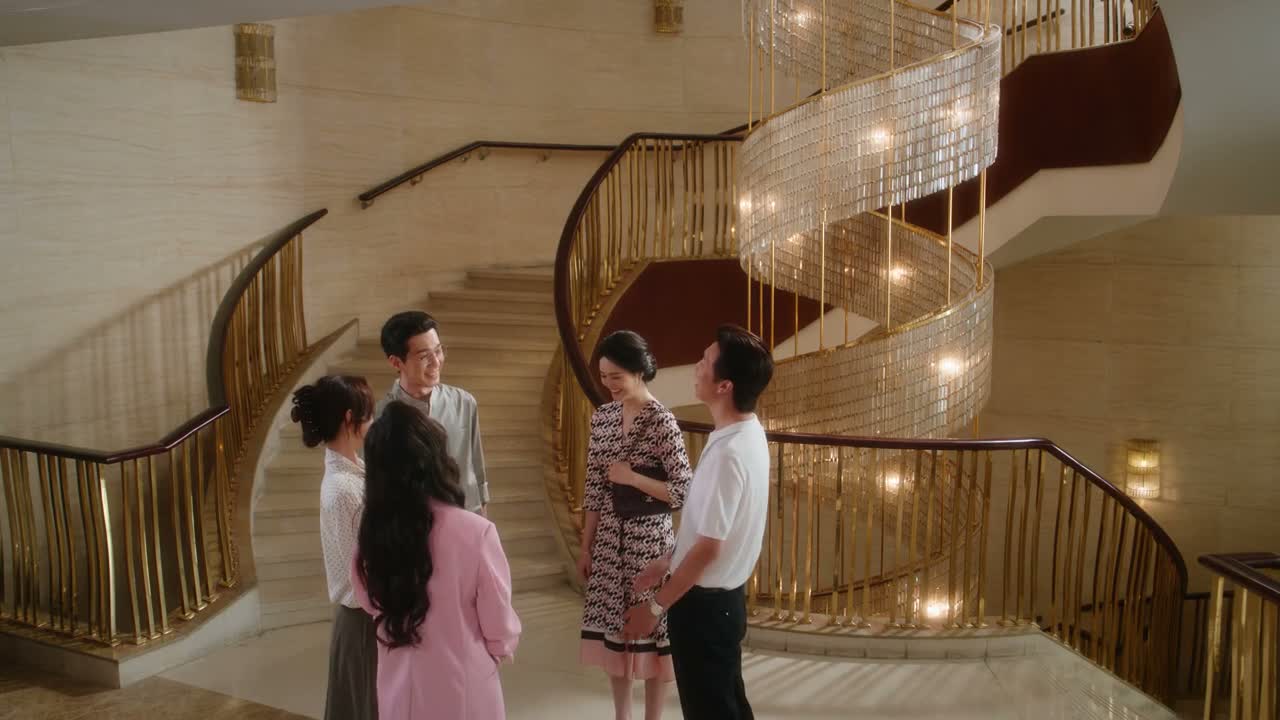
“Sure, I can pay.”

“I need to go to the toilet. Where were you last Thursday night?”