MC
MandarinClips Cinema Corpus
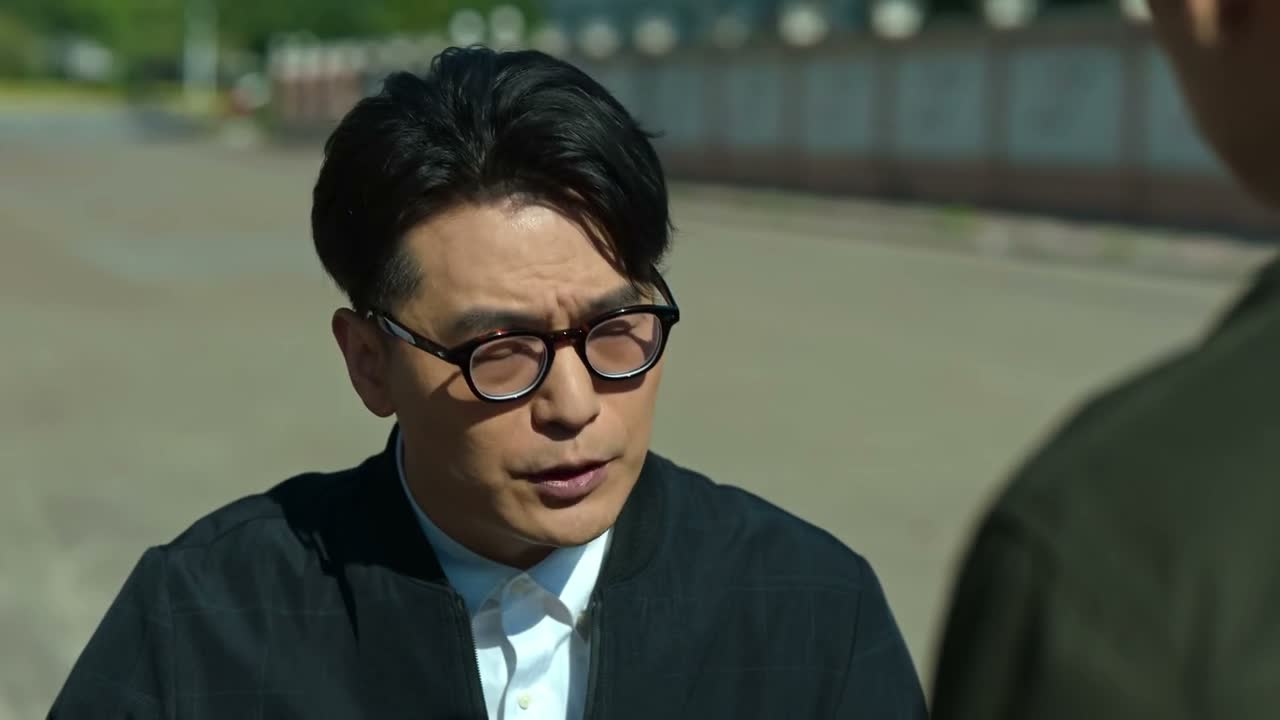
《The Imperial Coroner》 S2·E21 (20:33) HSK 5
wǒ biàn yào rèn xià zhè mò xū yǒu de zuì míng ma

我便要认下这莫须有的罪名吗

“pieced together by Commandery Prince An?”

《The Imperial Coroner》 S2·E21
TIMECODE: 20:33 · 1080P MASTER AUDIO

THE DIALOGUE REEL

1+1+1 SPOKEN CONTINUITY
[-1] PREVIOUS TURN pīn còu de yī fèn kǒu gòng

“based solely on a statement”

wǒ biàn yào rèn xià zhè mò xū yǒu de zuì míng ma CURRENT FOCUS

我便 要 认下 这 莫须有的罪名 吗

“pieced together by Commandery Prince An?”

[+1] FOLLOW-UP TURN yǎn xià wǒ què shí méi yǒu zhèng jù

“Right now, I indeed have no proof”

Subtitles synced to millisecond timecode Browse Show Clips →
Scene: Legal & Police
Function: REJECTING FALSE CHARGES
Tone: DEFENSIVE
Emotion: INDIGNATION
WHAT THEY REALLY MEAN (PRAGMATIC SUBTEXT)
“You have zero actual proof against me, so do not even think about pinning this frame-up on my head.”
💡 Cultural Insight: Mo Xu You (Trumped-Up Charges)

Originating from Qin Hui's infamous framing of the Song Dynasty hero Yue Fei, 'Mo Xu You' carries heavy cultural weight signifying gross injustice and fabricated guilt.

INTENT TAGS: #defiance #rebuttal #denial #challenging_evidence
🧩

LEARNING CHUNKS & PARTICLES

2 CHUNKS · 1 PARTICLES
莫须有 SPOKEN CHUNK

groundless; fabricated; trumped-up

A classical idiom derived from the wrongful execution of General Yue Fei, used specifically to denounce baseless, concocted accusations.

认下 SPOKEN CHUNK

to admit to; to accept (blame or a charge)

Commonly used in legal and disputative contexts when someone gives in to accepting a crime or responsibility.

Modal Particle「吗」 (ma) CHANGE OF STATE

Forms a rhetorical question that sharply underscores the speaker's defiance and refusal to submit.

🏮

VOCABULARY & EXPRESSIONS

2 EXPR · 4 GRAMMAR
CROSS-CINEMA CORPUS BOARD · PARALLEL SCENES

Parallel Spoken Cinema Scenes (语义近邻切片)

EXPLORE BY SEMANTIC SIMILARITY
《The Imperial Coroner》 S2·E21 (20:33) · Authentic Cinema Dialogue Corpus