我们洗澡去了 咋能见着她呢 就是
“We went to bathe. How would we have seen her? Exactly.”
THE DIALOGUE REEL
没有
“- Shoes Bai? - No.”
我们 洗澡去了 咋能 见着 她 呢 就是
“We went to bathe. How would we have seen her? Exactly.”
我倒想见着她
“I'd actually like to see her.”
Direct spoken expression in this communicative setting.
In traditional Chinese collective settings like work units or dormitories, bathhouse visits are group routines that naturally serve as shared alibis.
LEARNING CHUNKS & PARTICLES
how could; how is it possible to
A colloquial northern Chinese rhetorical question marker equivalent to 怎么能, used to refute an assumption.
to meet; to see (someone)
A spoken resultative verb construction using 着 (zháo) indicating success in seeing or encountering someone.
Emphasizes the rhetorical nature of the question, highlighting the obvious impossibility of the action.
VOCABULARY & EXPRESSIONS
Parallel Spoken Cinema Scenes (语义近邻切片)

“How do you know that I bathed in the river? Yeah. How do you know?”

“I went to do my hair and ran into her. So you went to a meeting, did your hair, and ran into her?”
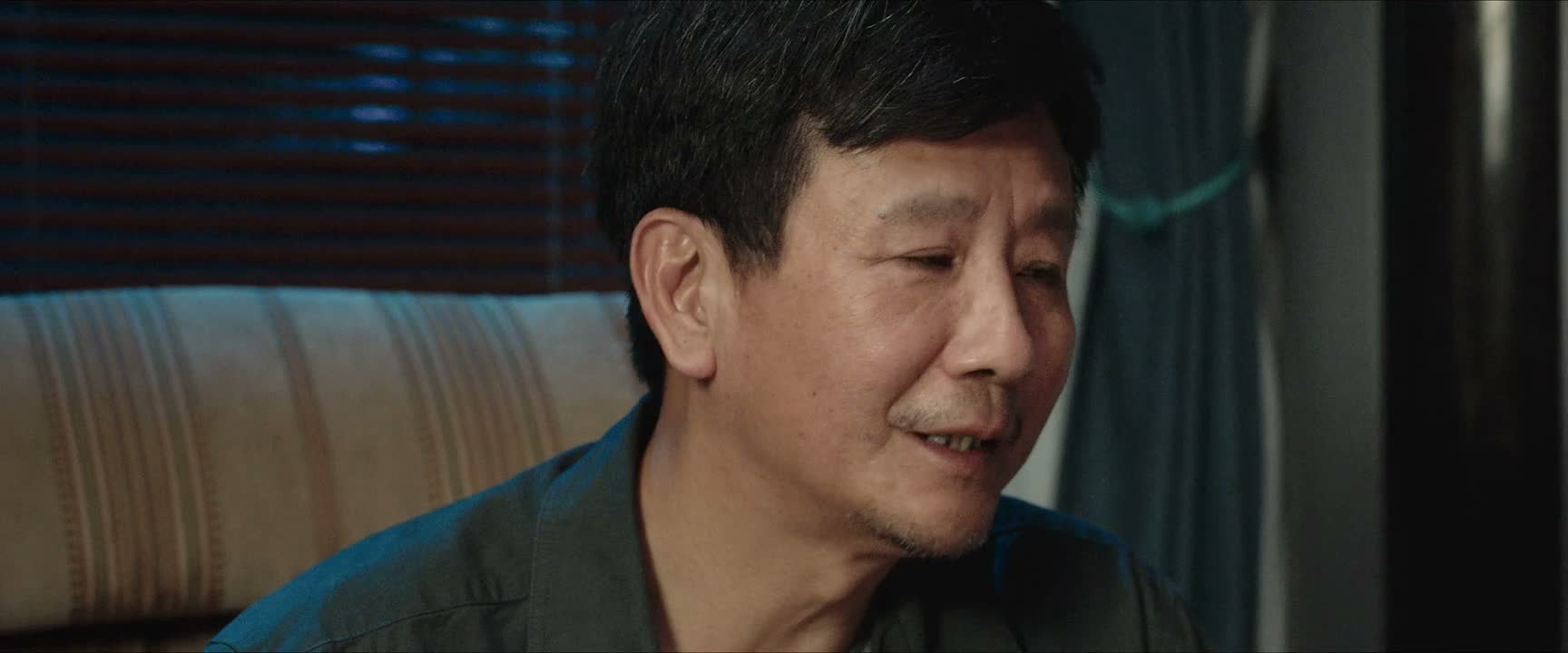
“The moment I saw her, I understood.”

“Maybe it's a good thing that I didn't meet her. Otherwise, I wouldn't know what to talk about.”

“Forget it. I'm going to shower.”

“Go take a shower and scrub yourself clean.”