你不觉得这事儿本身 就挺奇怪的吗
“Don't you find it quite strange?”
THE DIALOGUE REEL
“than talk to us more about Zhou Na.”
你 不觉得 这事儿本身 就 挺奇怪的 吗
“Don't you find it quite strange?”
是啊 那还得是你啊 师父 我咋就没寻思出来呢
“Yeah, that's why you're our master. How come I didn't think of that?”
“Pay closer attention—the irregularity here should be obvious.”
Experienced seniors in Chinese professional culture often use leading rhetorical questions to encourage juniors to think critically rather than spoon-feeding answers.
LEARNING CHUNKS & PARTICLES
don't you think / find that...
A rhetorical framing pattern used to prompt an interlocutor to notice or agree with a specific viewpoint.
the matter itself
Used to isolate the core nature of an issue from secondary distractions.
Frames the rhetorical negative question to invite consensus.
VOCABULARY & EXPRESSIONS
Parallel Spoken Cinema Scenes (语义近邻切片)
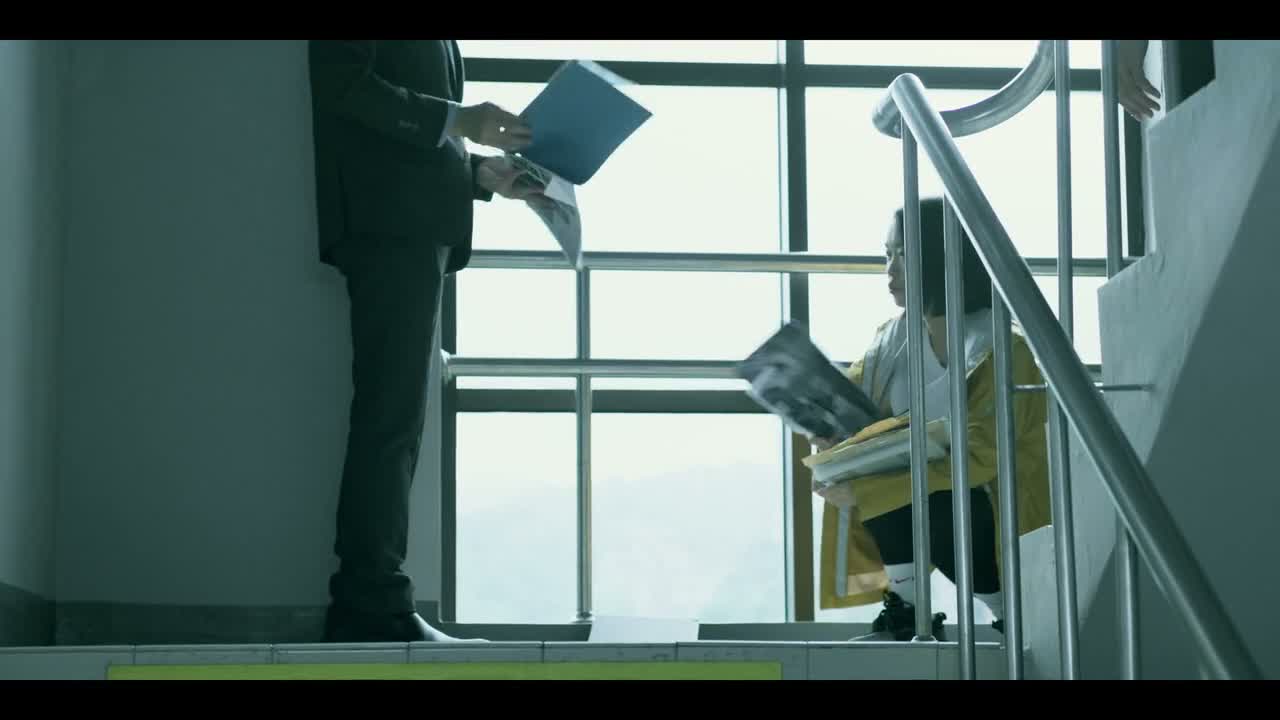
“Her cake shop. It's very far from the crime scene. Don't you think that's strange?”
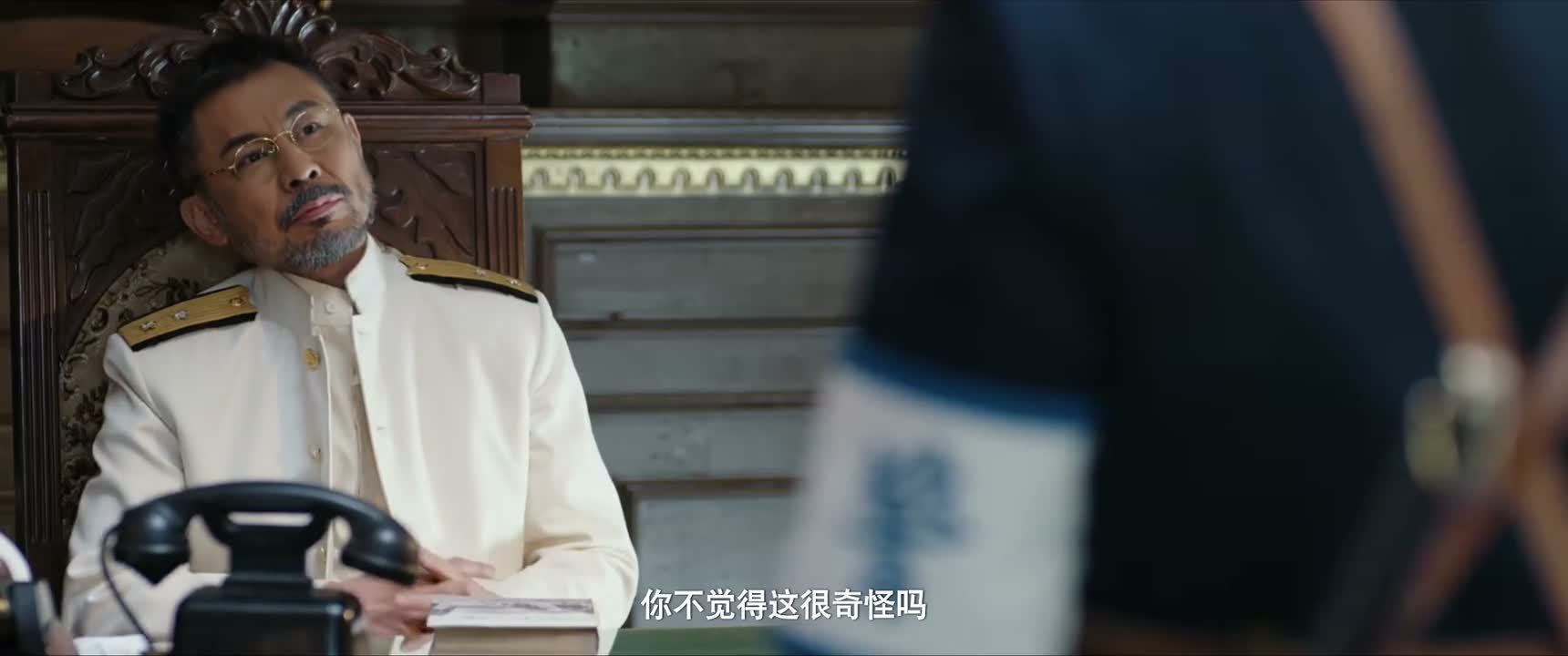
“Don't you find that strange?”

“Isn't this utterly bizarre?”

“Anyway, it's really strange. As an investigative reporter,”
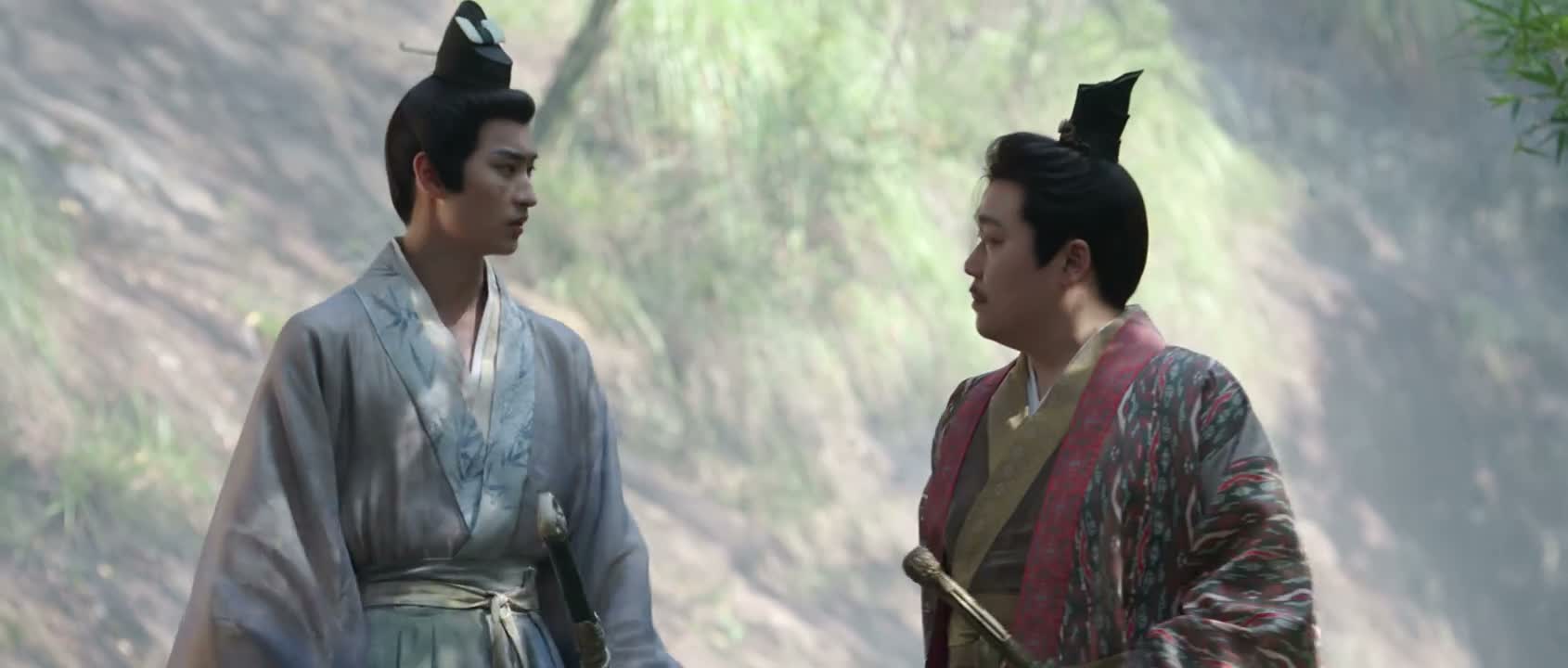
“don't you find this strange?”

“Don't you guys find it weird?”