你让他直接闭眼不就完了吗
“Why not just tell him to close his eyes?”
THE DIALOGUE REEL
看什么看
“Stop looking.”
你让他 直接闭眼 不就完了吗
“Why not just tell him to close his eyes?”
是哦
“Right.”
“Why make such a big deal out of it when the solution is staring you in the face?”
Close peers in casual Chinese speech often use rhetorical constructions like '不就……完了吗' to playfully cut through perceived overthinking without offending.
LEARNING CHUNKS & PARTICLES
wouldn't that settle it / wouldn't that solve everything
A highly colloquial rhetorical pattern used to propose an easy, obvious shortcut or remedy.
to close one's eyes
Literal action verb phrase frequently used in everyday spoken contexts.
Turns the statement into a rhetorical question to prompt obvious agreement.
VOCABULARY & EXPRESSIONS
Parallel Spoken Cinema Scenes (语义近邻切片)
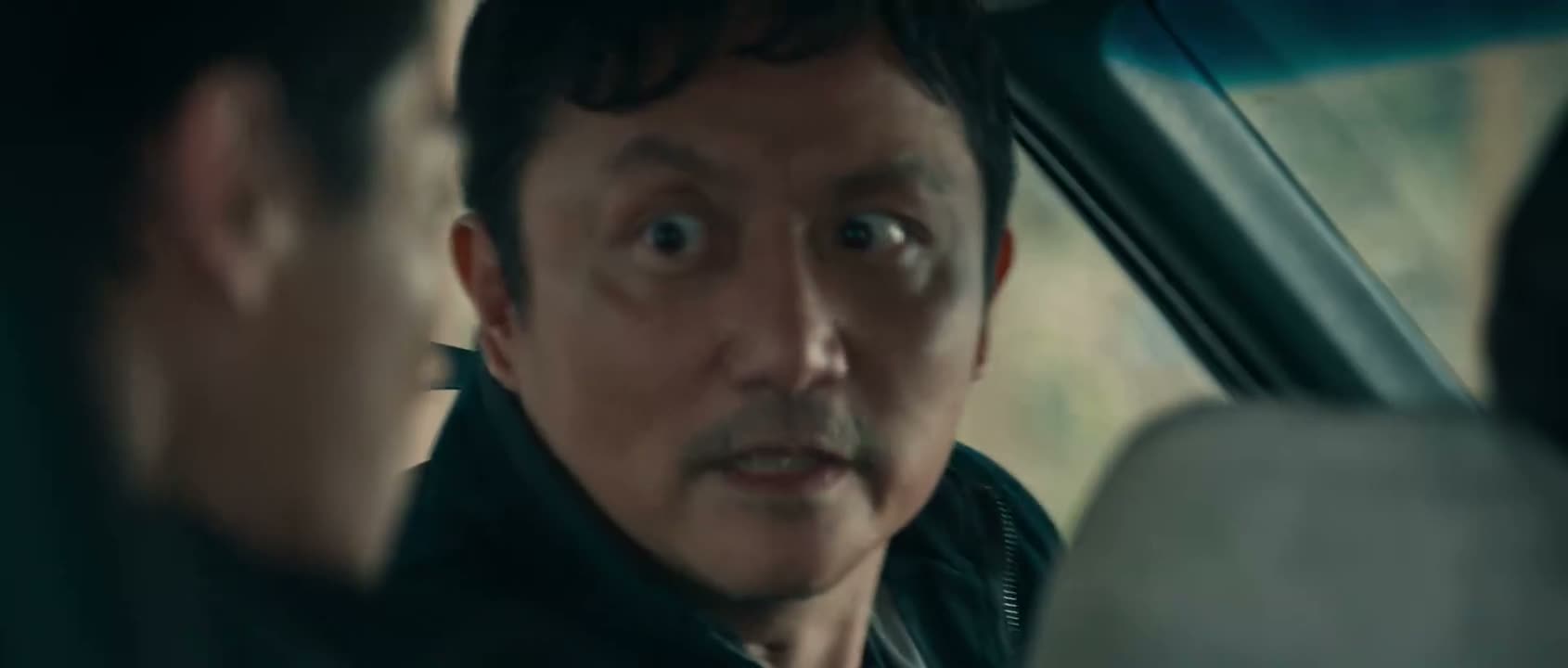
“and let's see if you can rest in peace.”

“Do you know why I can't close my eyes?”

“I chose to keep my mouth shut.”
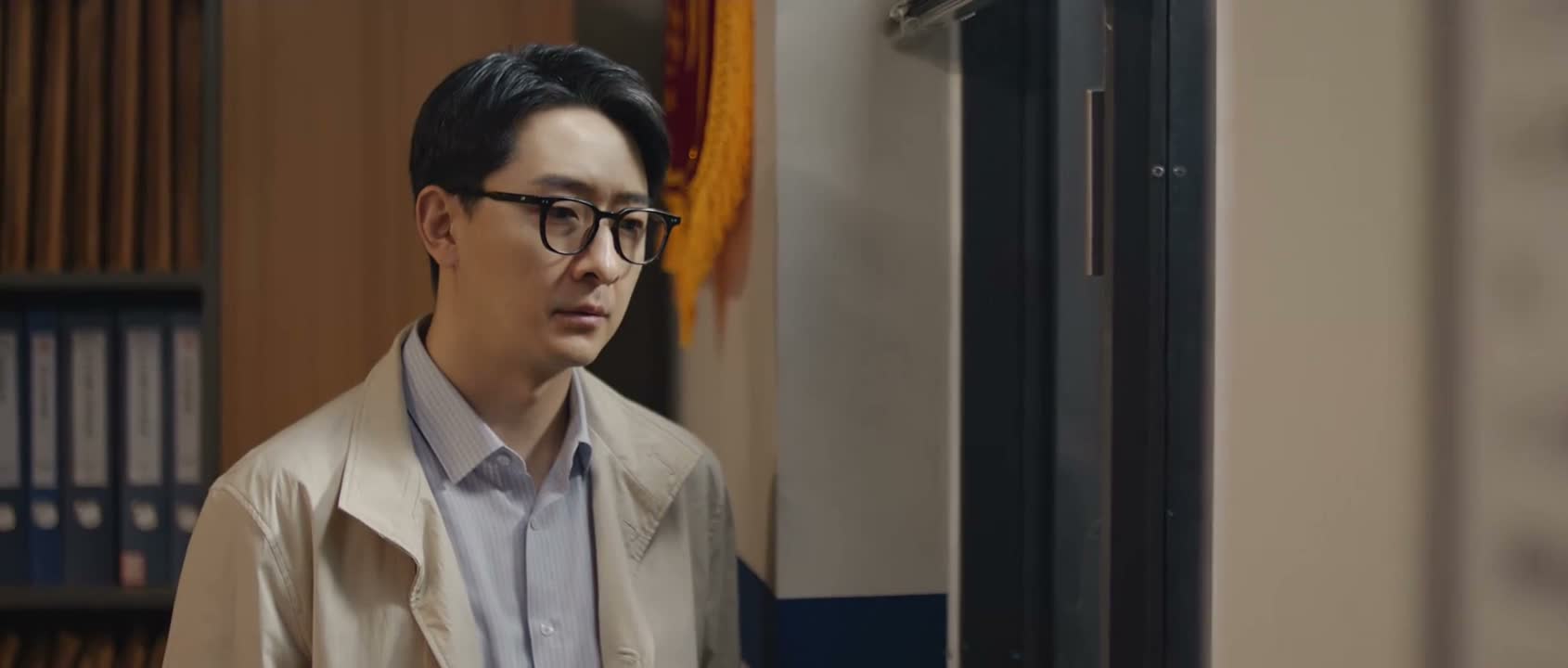
“we can just watch him walk out.”

“Then don't let her find out.”

“Just say it directly, okay? Just take a look.”