我就没有被爱的权利吗
“Don't I have the right to be loved?”
THE DIALOGUE REEL
你们俩能谈恋爱
“You two can date?”
我 就没有 被爱的权利 吗
“Don't I have the right to be loved?”
我没跟别人说 就跟张放一个人说 你真恶心
“I haven't told anyone. I only told Zhang Fang. You're disgusting.”
“Who are you to judge me and act like I am unworthy of finding love?”
In Chinese society, unsolicited comments on whether someone is 'fit' to date often trigger deep defensiveness about individual rights and personal dignity.
LEARNING CHUNKS & PARTICLES
the right to be loved
A poignant rhetorical collocation used when demanding dignity and equality in romantic matters.
could it really be that there is none / do I not even have...
The emphatic '就' combined with negative rhetorical questioning strongly signals indignant pushback.
Turns the statement into an emphatic rhetorical question challenging the listener's moral judgment.
VOCABULARY & EXPRESSIONS
Parallel Spoken Cinema Scenes (语义近邻切片)

“Do you think I deserve to be loved?”

“so I have no right to decide for you.”
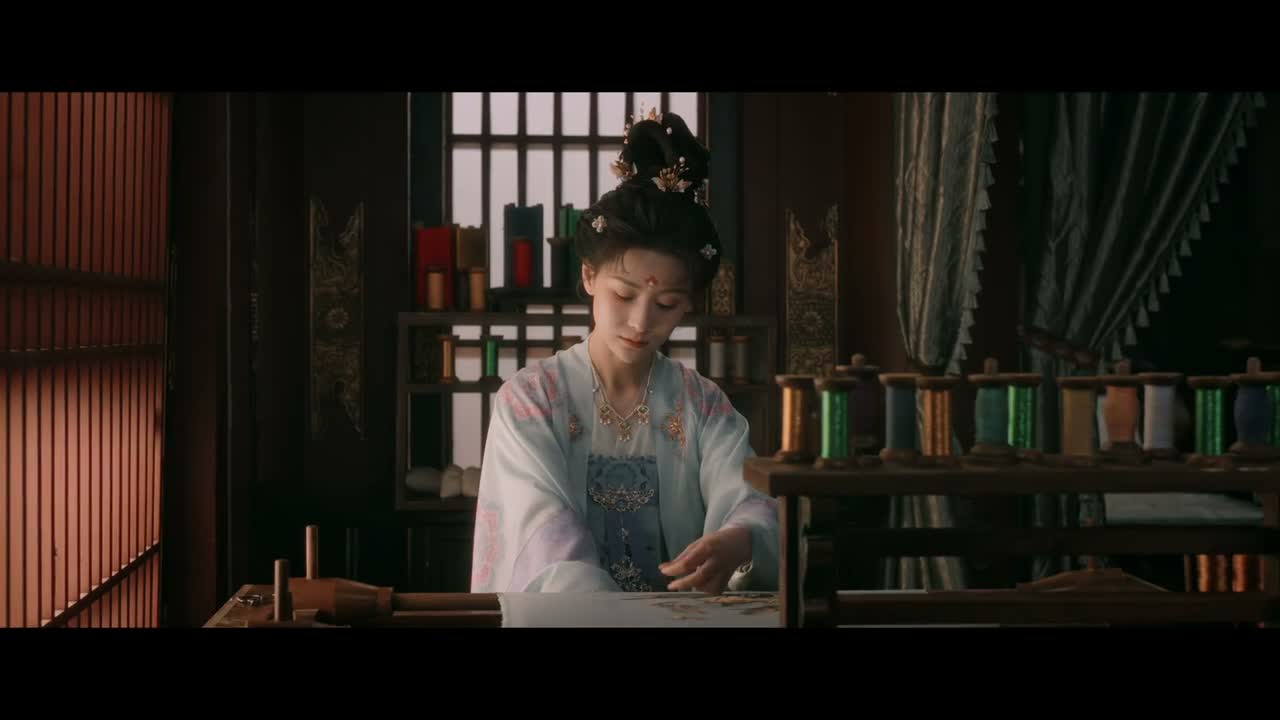
“I never dreamed I'd be loved until I met him.”

“is a right you should have.”

“I don't think I've ever loved anyone”

“Honestly, I don't love you that much.”