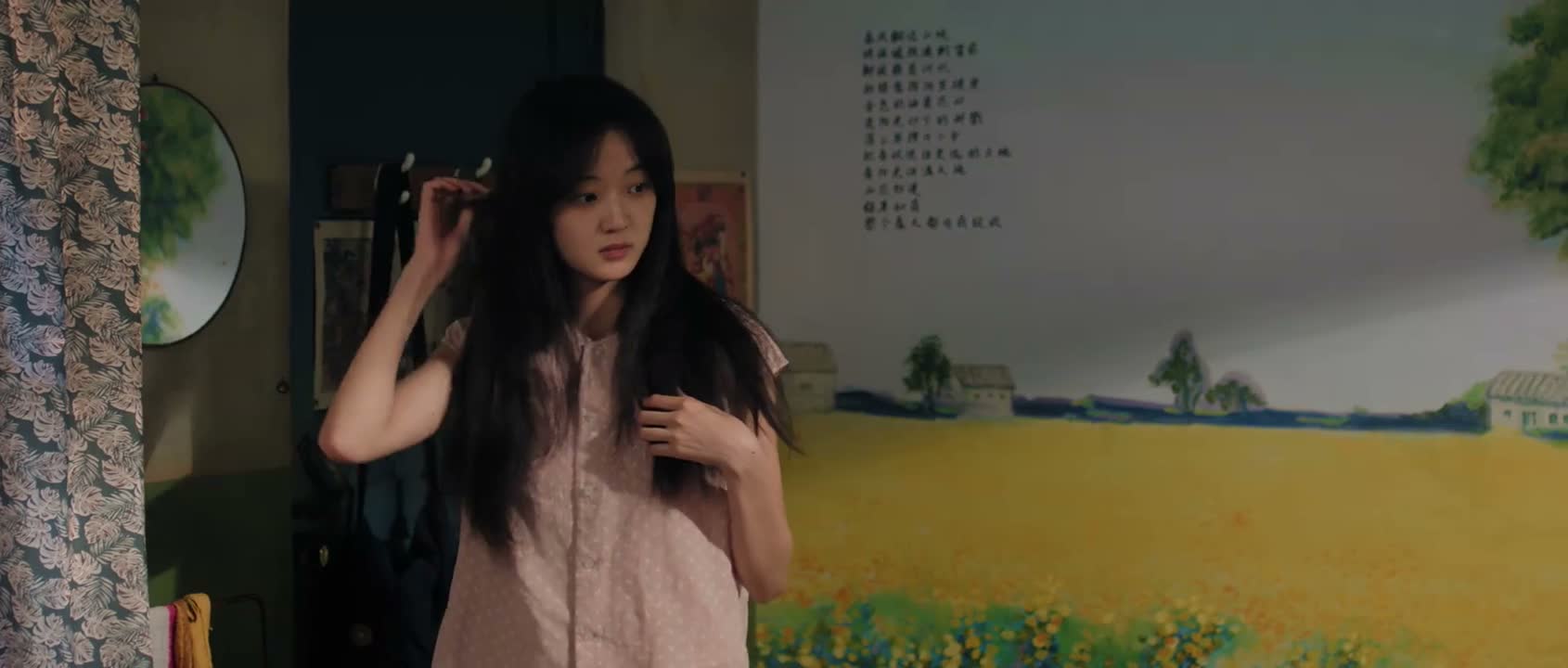
《The Glamorous Night》 S1·E18 (38:57)
HSK 4
jīn tiān zhè me kāi xīn de rì zi wǒ gàn má shuō zhè me nán tīng de huà
今天这么开心的日子 我干吗说这么难听的话
“On such a happy day, I shouldn't have said those things.”
《The Glamorous Night》
S1·E18
TIMECODE: 38:57
·
1080P MASTER AUDIO
THE DIALOGUE REEL
[-1] PREVIOUS TURN
bù hǎo yì sī a
不好意思啊
“Sorry.”
jīn tiān zhè me kāi xīn de rì zi wǒ gàn má shuō zhè me nán tīng de huà
CURRENT FOCUS
今天 这么 开心 的 日子 我 干吗说 这么 难听的话
“On such a happy day, I shouldn't have said those things.”
[+1] FOLLOW-UP TURN
méi bié de yì si a nǐ hǎo hǎo gàn méi shì
“No offense intended. You work hard. It's okay.”
Subtitles synced to millisecond timecode
Browse Show Clips →
Scene:
Workplace
Function:
REPAIRING RELATIONSHIP
Tone:
PLACATING
Emotion:
REGRET
WHAT THEY REALLY MEAN (PRAGMATIC SUBTEXT)
“Do not let my harsh critique get to your head; I still want you to stay motivated.”
💡 Cultural Insight: Da Yibang Gei Titang (Carrot and Stick Management)
Chinese interpersonal communication often employs corrective balancing where sharp criticism is immediately followed by self-deprecating warmth to save the subordinate's face and restore rapport.
INTENT TAGS:
#backtracking
#face_saving
#reassurance
#atmosphere_smoothing
🧩
2 CHUNKS · 0 PARTICLES
LEARNING CHUNKS & PARTICLES
干吗
SPOKEN CHUNK
why; what's the point of
A frequent spoken rhetorical interrogative used to question the necessity of an action or express mild self-reproach.
难听的话
SPOKEN CHUNK
harsh words; unpleasant remarks
Colloquial idiom referring to sharp criticism, offensive language, or bad news.
🏮
4 EXPR · 2 GRAMMAR
VOCABULARY & EXPRESSIONS
COLLOQUIAL EXPRESSIONS:
CROSS-CINEMA CORPUS BOARD · PARALLEL SCENES
EXPLORE BY SEMANTIC SIMILARITY
Parallel Spoken Cinema Scenes (语义近邻切片)
《The Glamorous Night》 S1·E18 (38:57) · Authentic Cinema Dialogue Corpus