玫姐 丹宁姐喝多了 叫你来你不来是吗
“Mei, Danning is drunk. You didn't come, huh?”
THE DIALOGUE REEL
不好意思 我先接个电话啊
“Sorry, I need to take this call.”
玫姐 丹宁姐 喝多了 叫你 来你 不来 是吗
“Mei, Danning is drunk. You didn't come, huh?”
我去你的
“Come on.”
“Your friend is drunk and needs you—how can you just sit there and refuse to show up?”
In Chinese social drinking contexts, peer groups often use friends' intoxication or group loyalty to emotionally compel members to participate.
LEARNING CHUNKS & PARTICLES
had too much to drink / drunk
The most common polite and colloquial euphemism for being drunk in social settings.
you were told/asked to come but refused
Used in familiar relationships to voice mild accusation or complain about someone flaking on plans.
Forms a rhetorical question with an assertive, confrontational edge.
VOCABULARY & EXPRESSIONS
Parallel Spoken Cinema Scenes (语义近邻切片)

“Danning may seem careless, but she's actually very rational.”
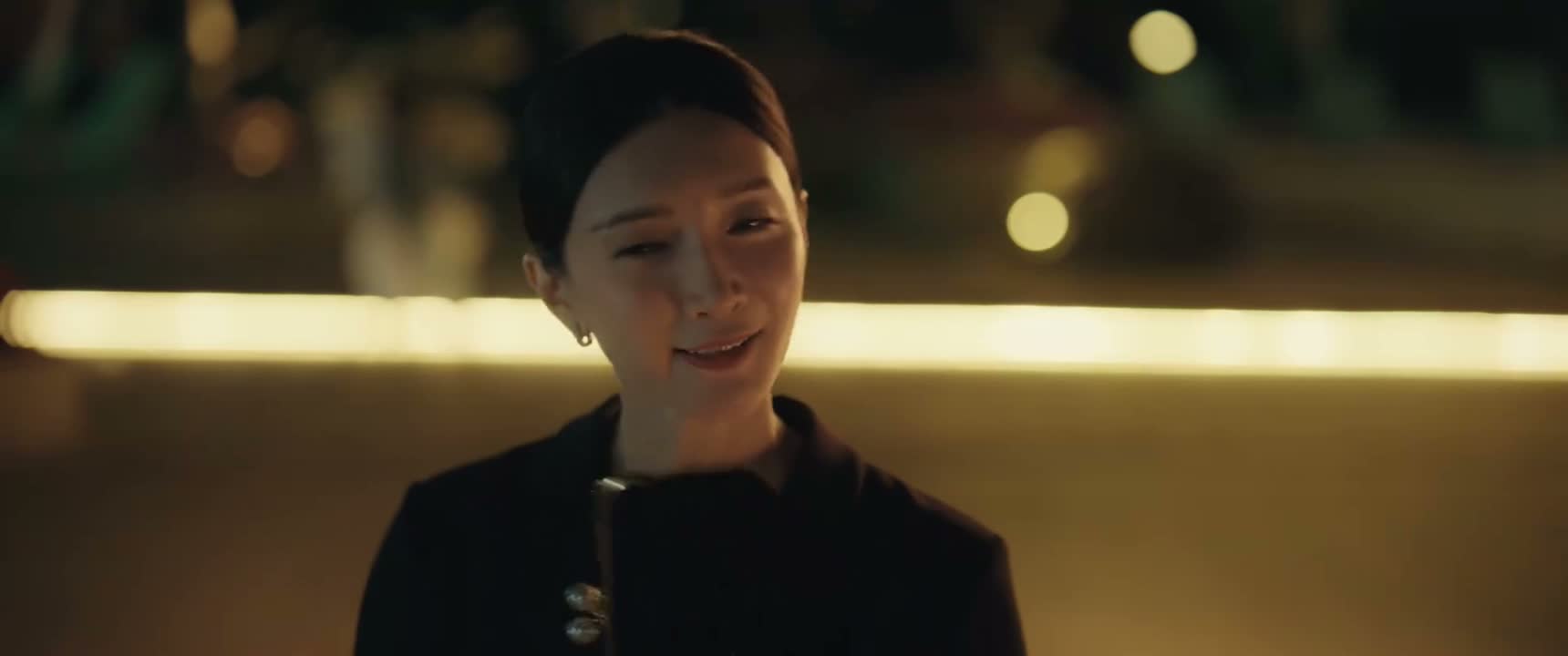
“Liang Danning might seem carefree,”
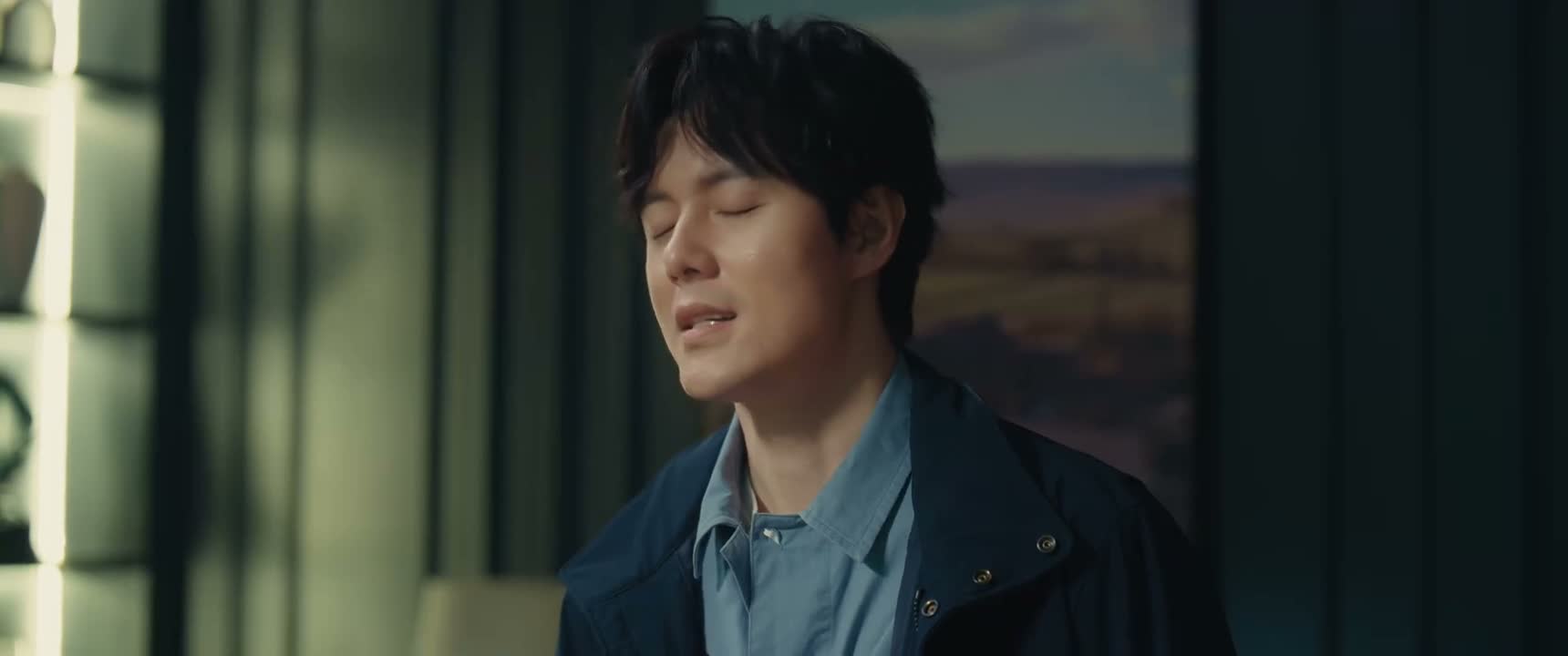
“Better not send Liang Danning. I heard she's divorcing her husband.”

“I told Liang Danning to go home last night.”
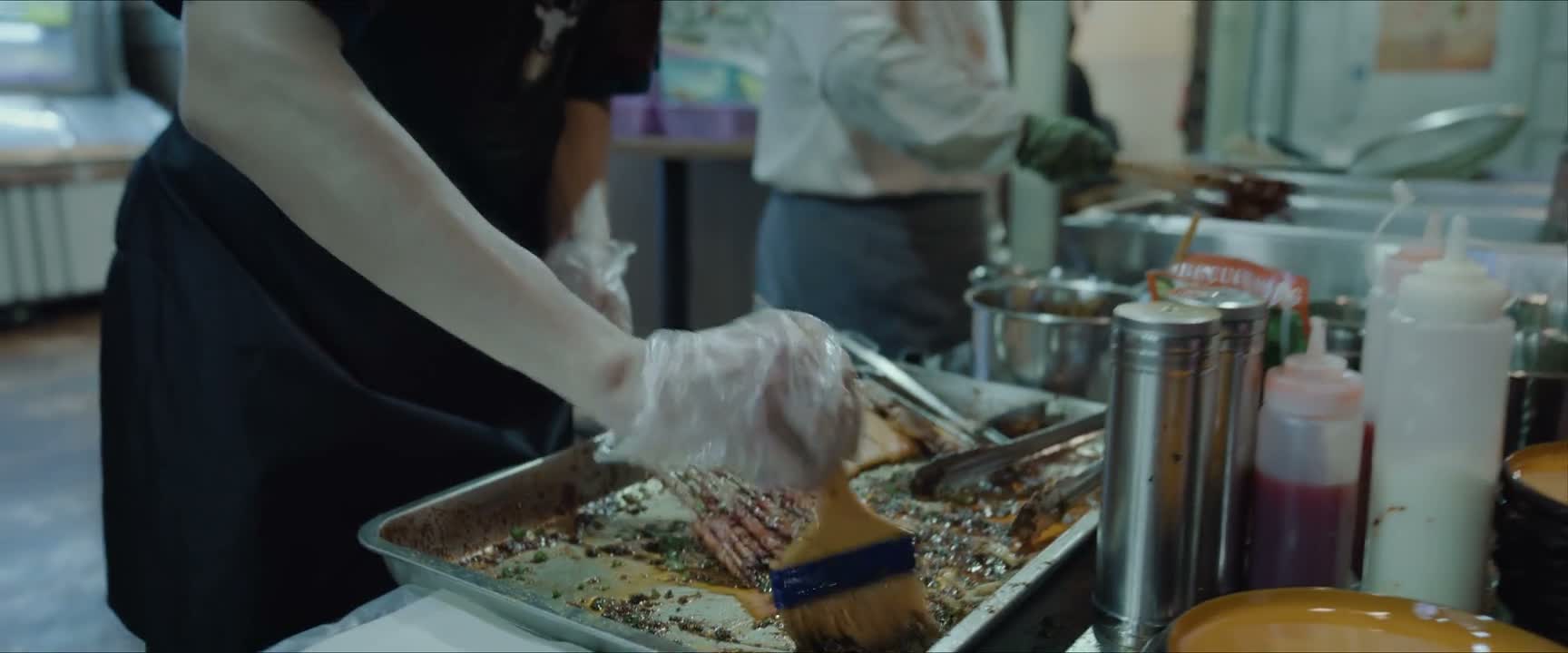
“Hello, Ms. Dan, I'm here again. You're here? Have a seat inside.”
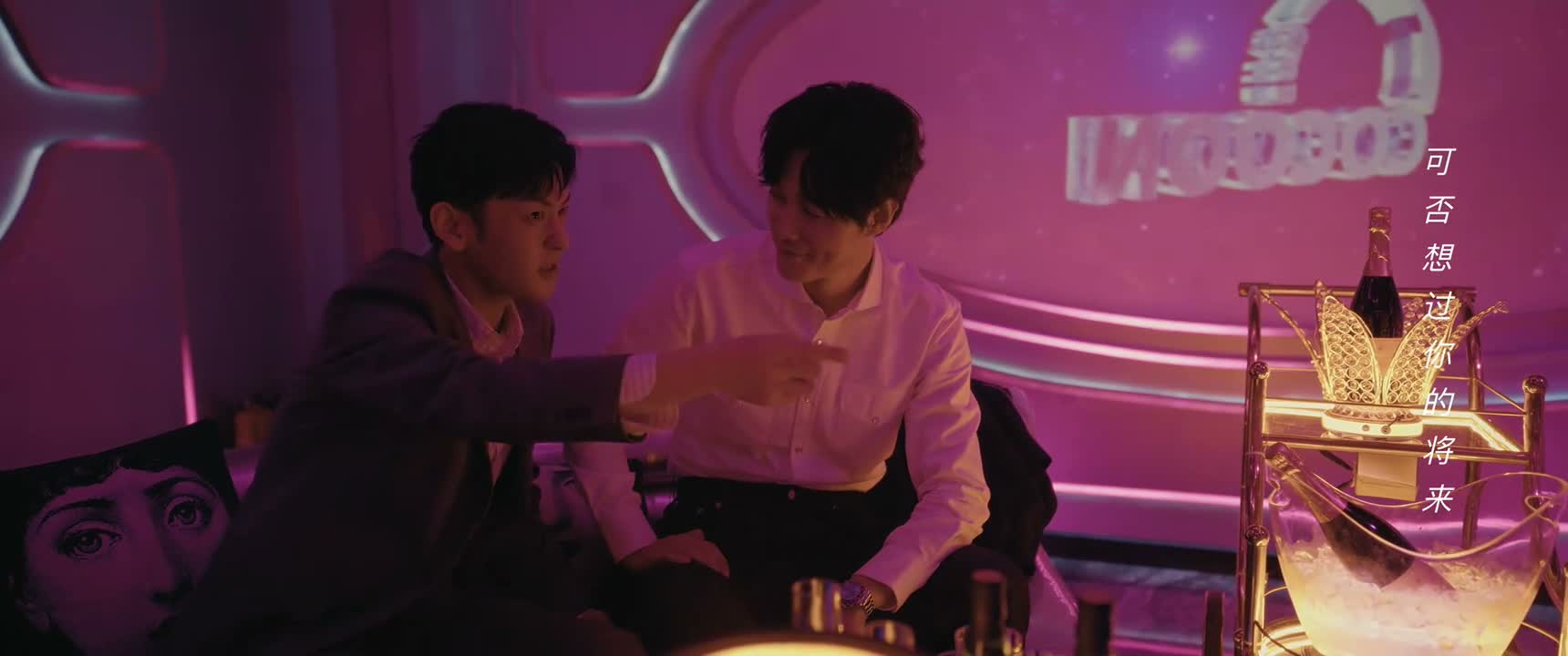
“Look at him now, all hugs with Liang Danning. Sometimes I really wish I were a woman too.”