我告诉你啊 你给我放老实 你再给我乱找事的话
“Let me tell you. You'd better behave. If you cause trouble,”
THE DIALOGUE REEL
把这个团弄得乱糟糟 败坏秦腔 败坏传承
“have made a mess of this troupe, ruining the Qinqiang opera and the heritage.”
我告诉你啊 你 给我 放老实 你 再给我 乱找事 的话
“Let me tell you. You'd better behave. If you cause trouble,”
我可收拾你
“I'll teach you a lesson.”
Direct spoken expression in this communicative setting.
Phrases like '我告诉你' paired with the ethical dative '给我' assert absolute social dominance and enforce compliance during verbal reprimands.
LEARNING CHUNKS & PARTICLES
behave yourself; toe the line
A blunt, colloquial imperative often used in confrontations or by authorities to demand obedience.
stir up trouble; make trouble
Commonly used in spoken Chinese to accuse someone of deliberately creating conflicts or headaches.
Adds an assertive, attention-grabbing edge to initiate a direct warning.
VOCABULARY & EXPRESSIONS
Parallel Spoken Cinema Scenes (语义近邻切片)

“I'm telling you.”

“Let me tell you, don't come back once you leave!”

“Listen, you're not going anywhere today.”
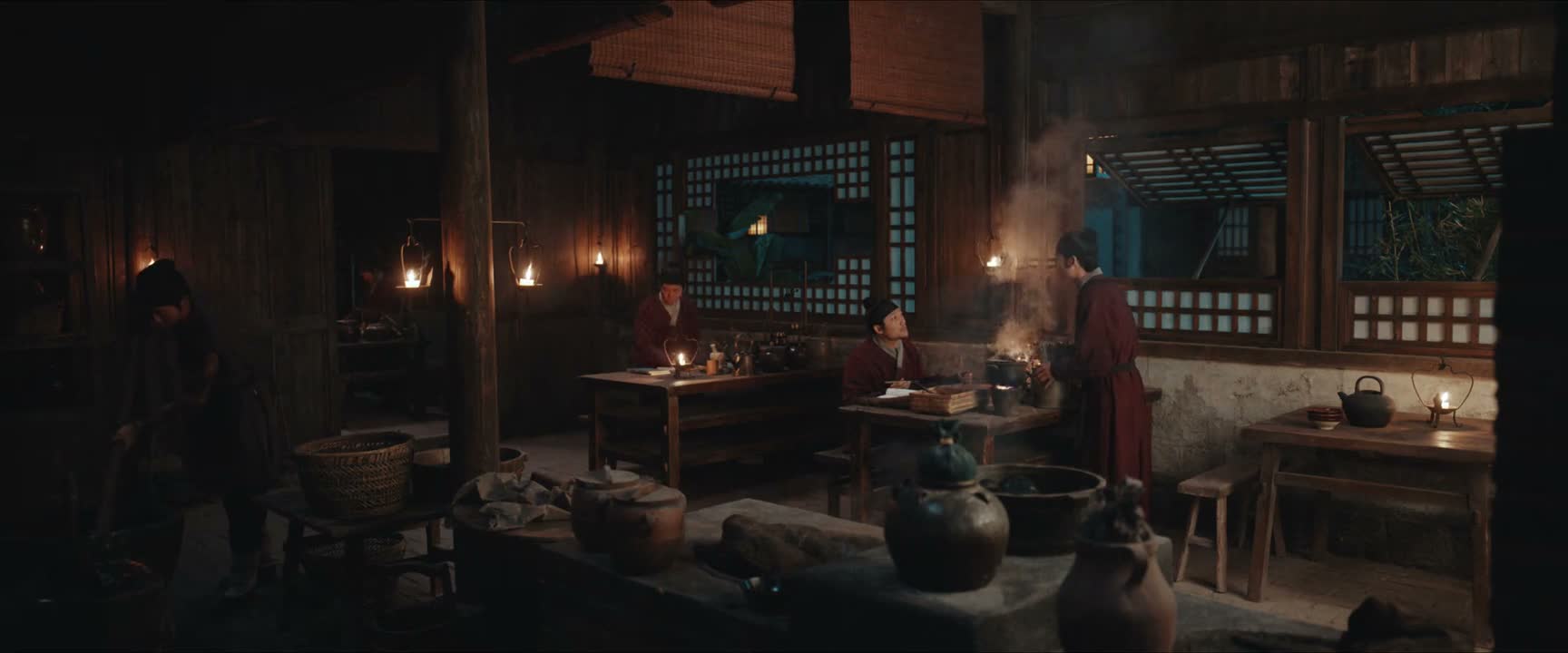
“Let me tell you, don't even think about it.”

“Listen. Stop going on blind dates with these ridiculous guys. Got it?”

“I'm telling you! Give me that!”