如何不恨 如何不痛?
“How can I not hate or feel pain?”
THE DIALOGUE REEL
你要我如何面对?
“How am I supposed to face this?”
如何不恨 如何不痛 ?
“How can I not hate or feel pain?”
是你 他本来可以活着 哪怕苟延残喘 至少他活着
“It's your fault. He could have lived. Even if he remained feeble, he could at least be alive!”
“It is impossible for me not to despise you after what you did.”
Classical phrasing like '如何不' amplifies emotional gravity in dramatic period settings compared to modern colloquial forms.
LEARNING CHUNKS & PARTICLES
how could one not...
A rhetorical device used in literary or heightened speech to emphasize an inevitable emotional response.
VOCABULARY & EXPRESSIONS
Parallel Spoken Cinema Scenes (语义近邻切片)

“You can stop hating just because you say so,”

“It won't hurt, OK? It won't hurt.”

“I'm truly unhappy about it.”
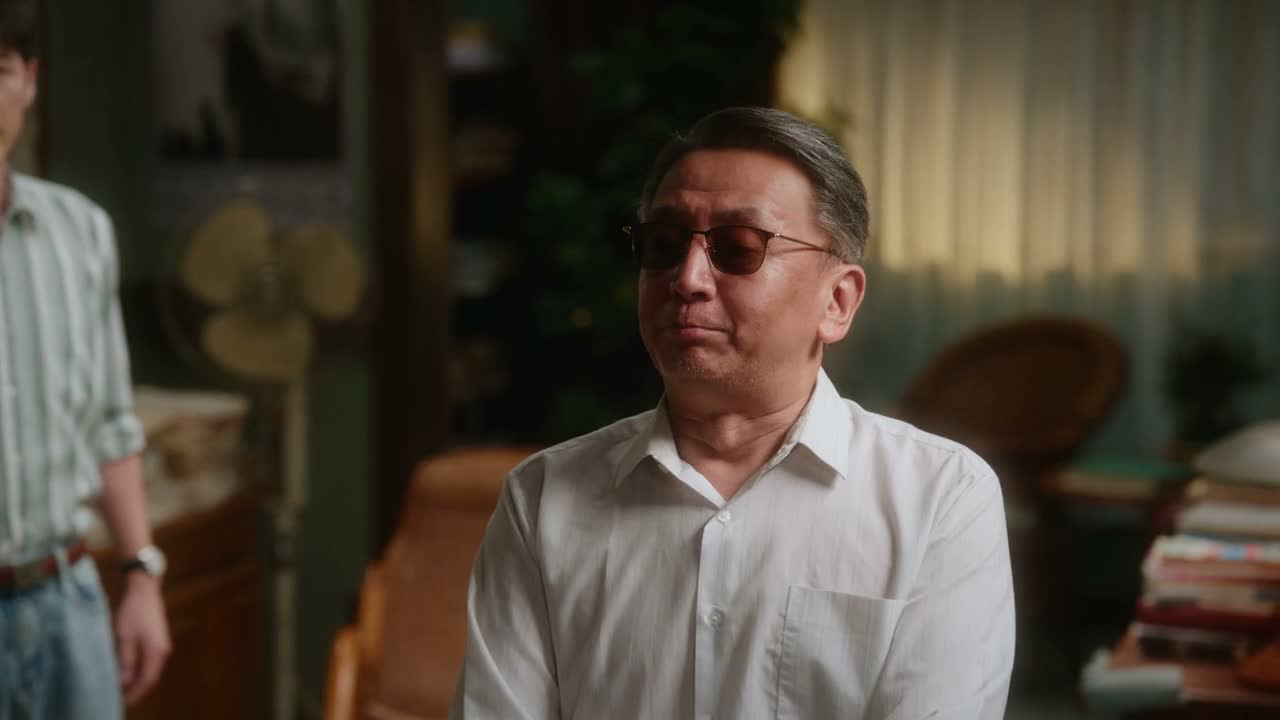
“Don't complain to others.”
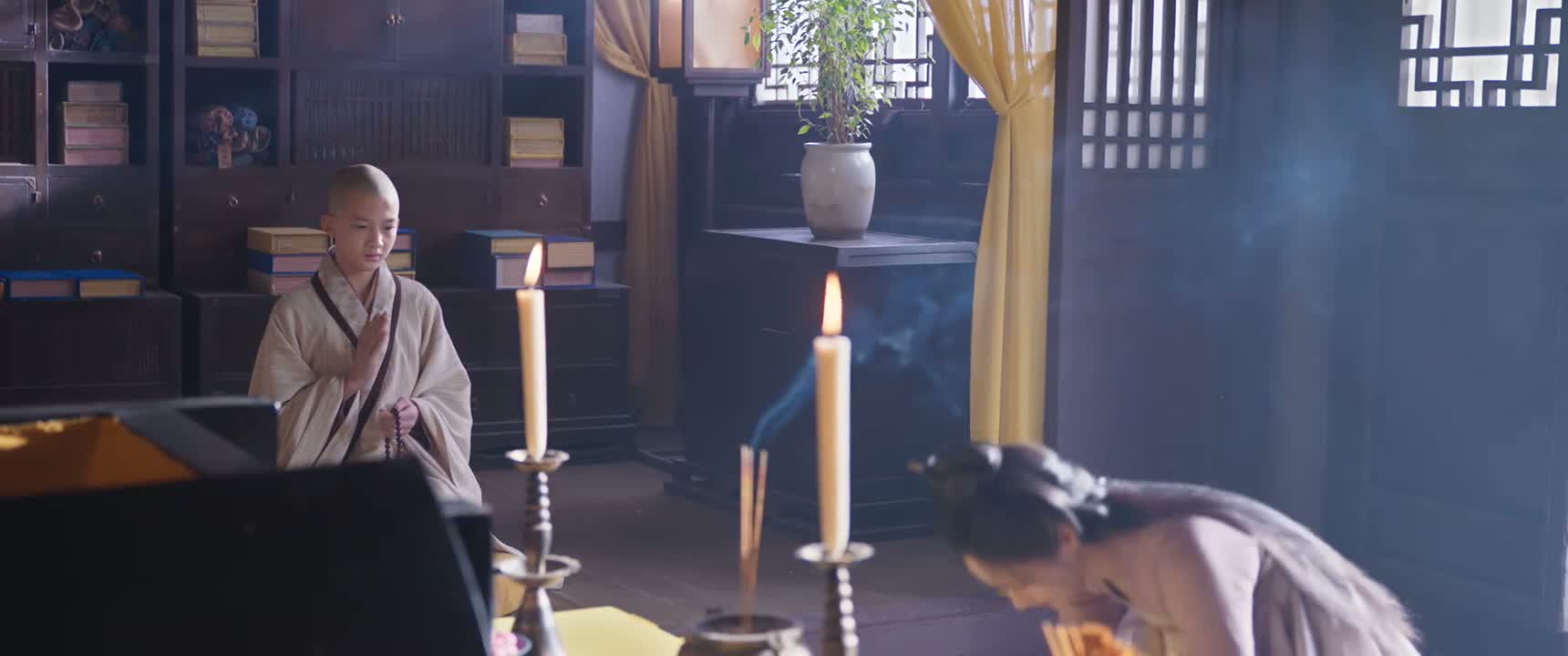
“and told me not to harbor hatred.”
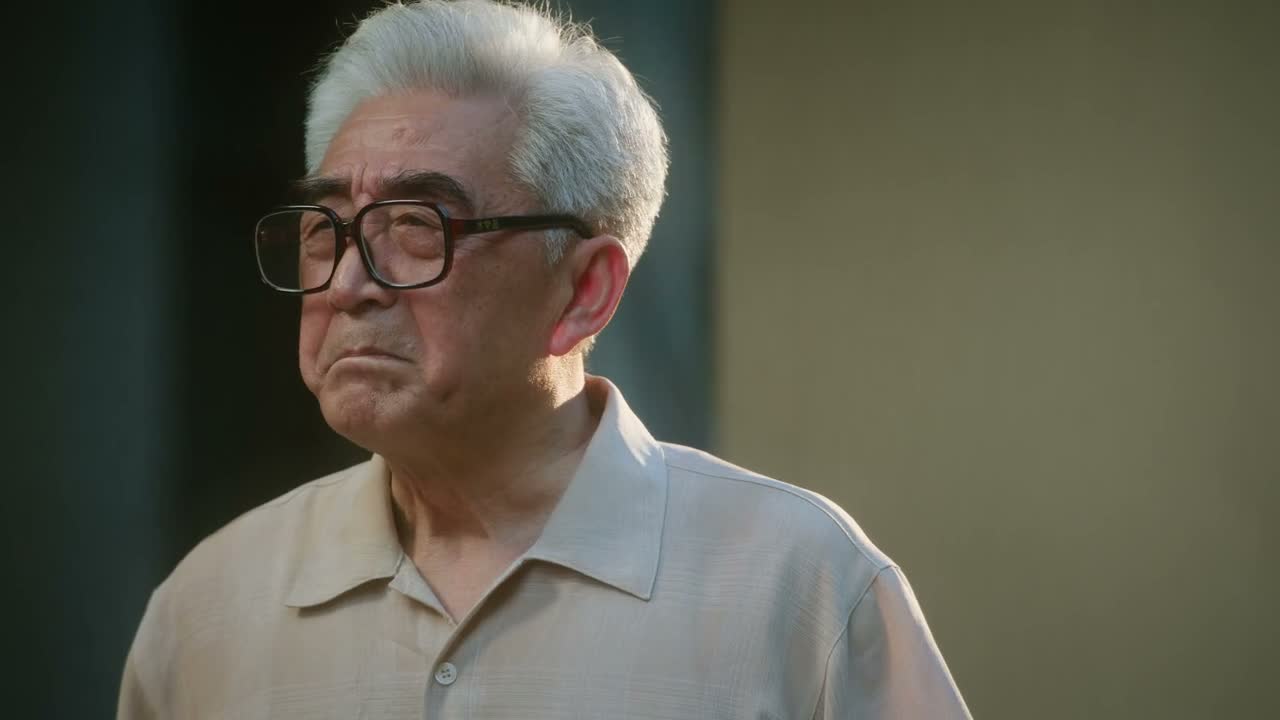
“for trouble.”