无颜再见南赵百姓
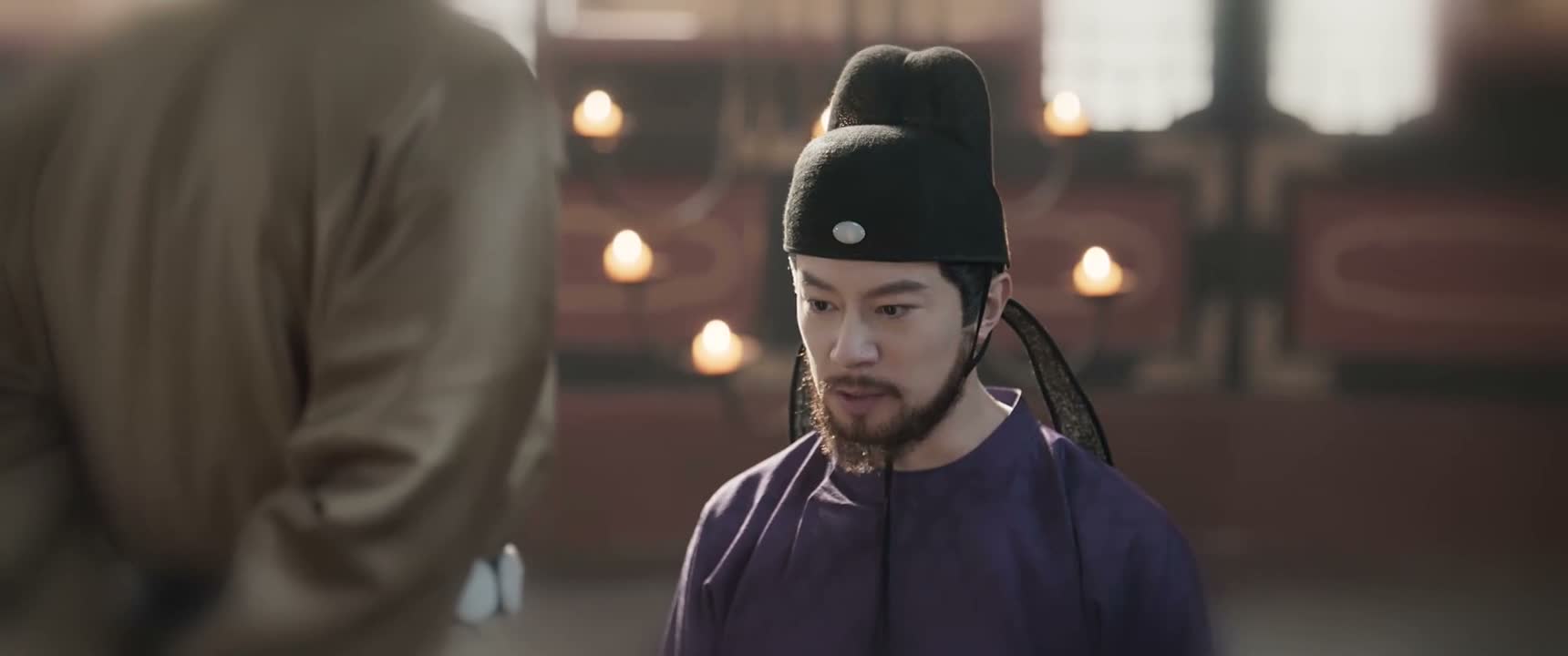
“I fear I would have no shame facing the people of Nanzhao”
THE DIALOGUE REEL
恐怕外臣
“I fear I would have no shame facing the people of Nanzhao”
无颜再见 南赵 百姓
“I fear I would have no shame facing the people of Nanzhao”
以及王上了
“and our king.”
“I have failed so completely that I cannot bear the disgrace of returning home.”
Having 'no face' (wu yan) to face one's monarch and people represents the ultimate moral failure and disgrace for an official in traditional Chinese political ethics.
LEARNING CHUNKS & PARTICLES
having no face; too ashamed
A high-register, dramatic idiom used to declare utter shame or disgrace in failure.
common people; ordinary citizens
Used in historical contexts to refer to the common populace or subjects of a state.
VOCABULARY & EXPRESSIONS
Parallel Spoken Cinema Scenes (语义近邻切片)
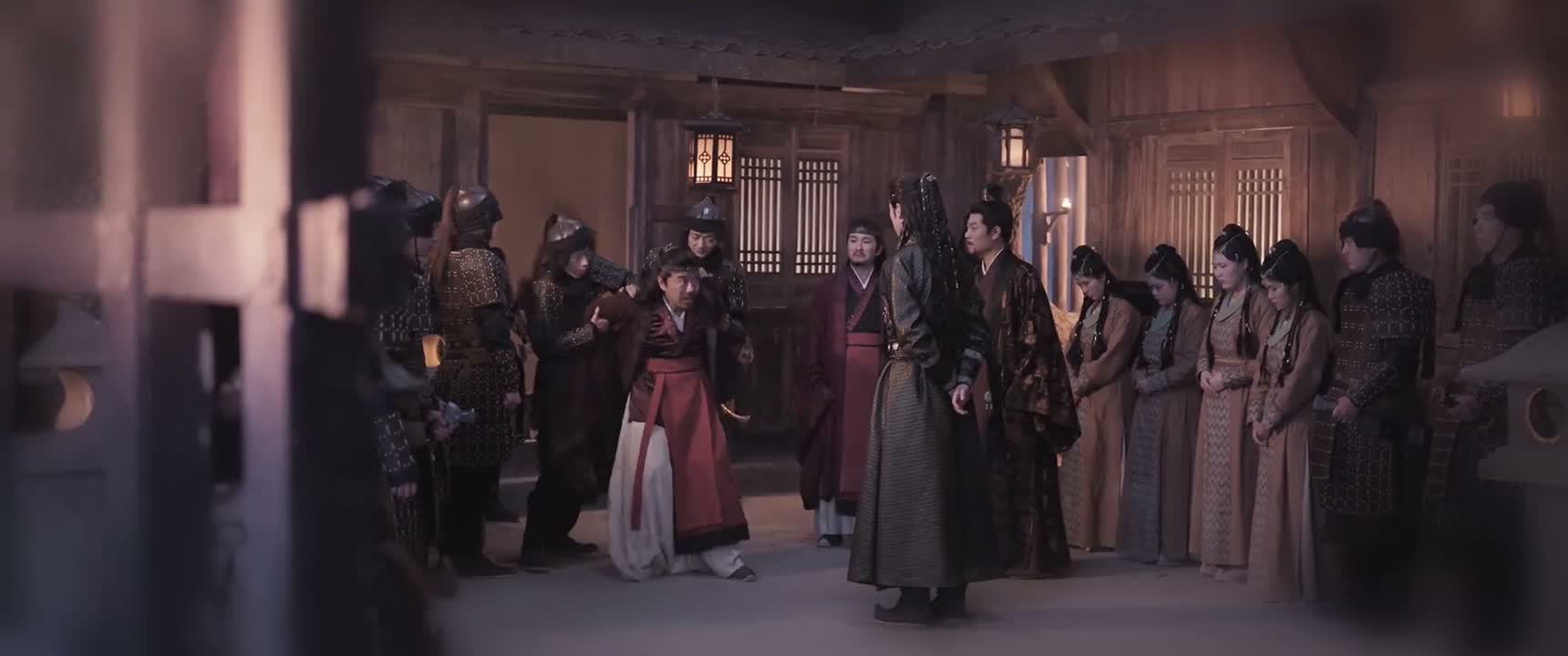
“you'd be elated by the news of the King of Nanzhao's passing”
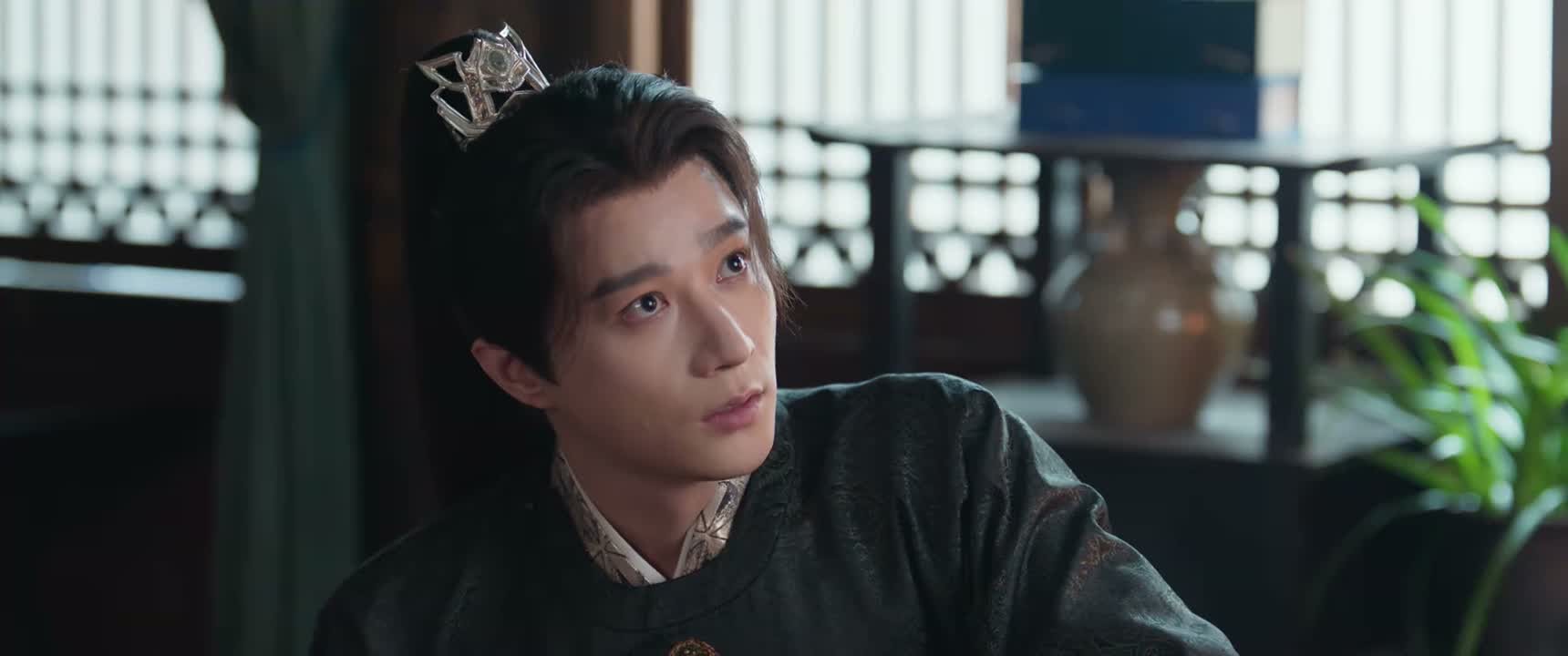
“The King of Nanzhao died a timely death.”
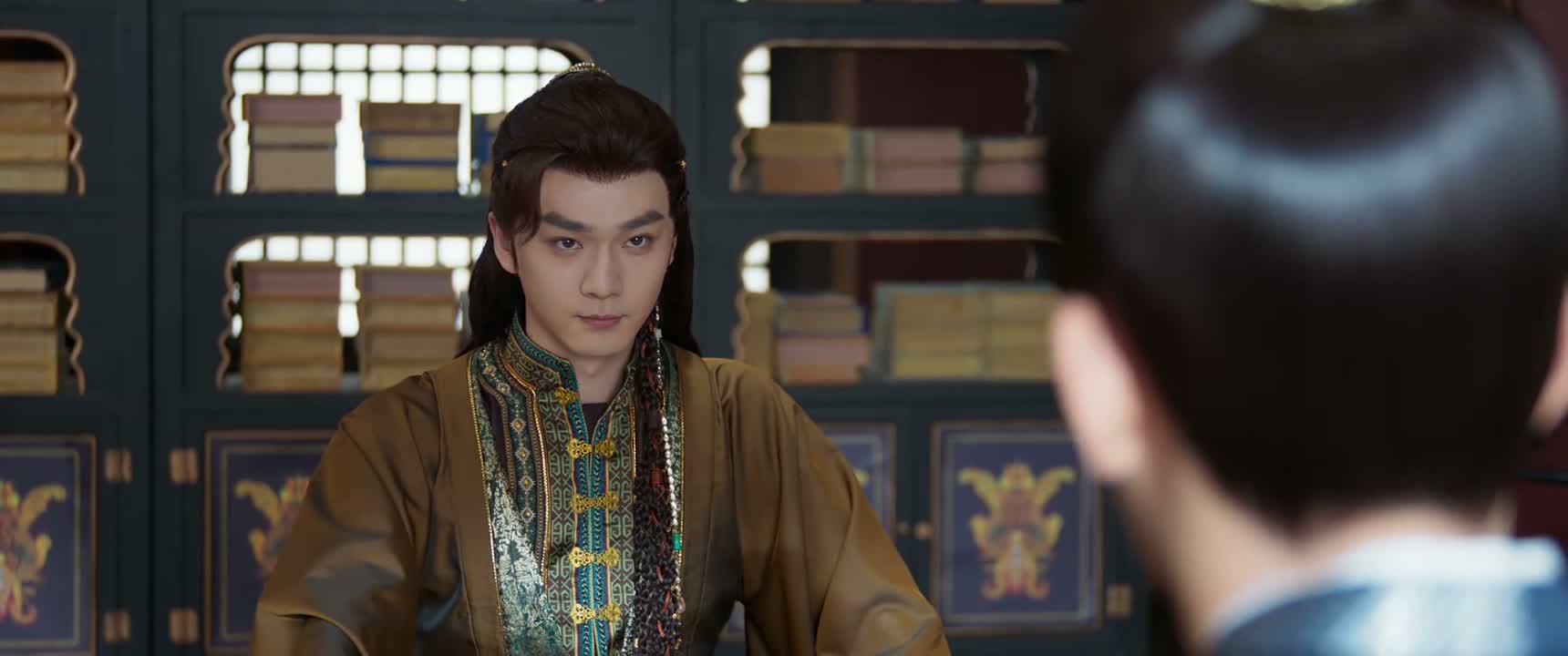
“Right now, the King of Nanzhao is just ill.”
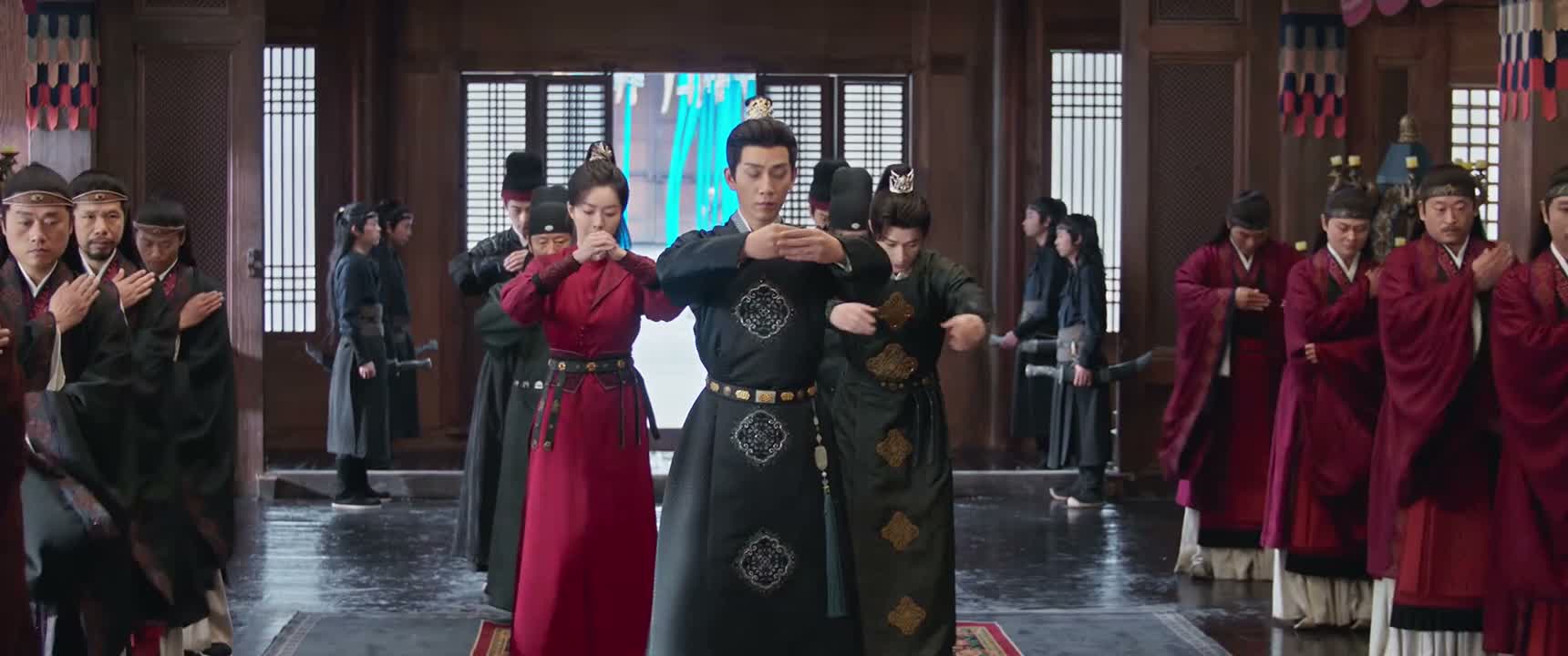
“- Greetings, King of Nanzhao. - Greetings, King of Nanzhao.”
“Nanzhao will not set foot in Great Tang.”
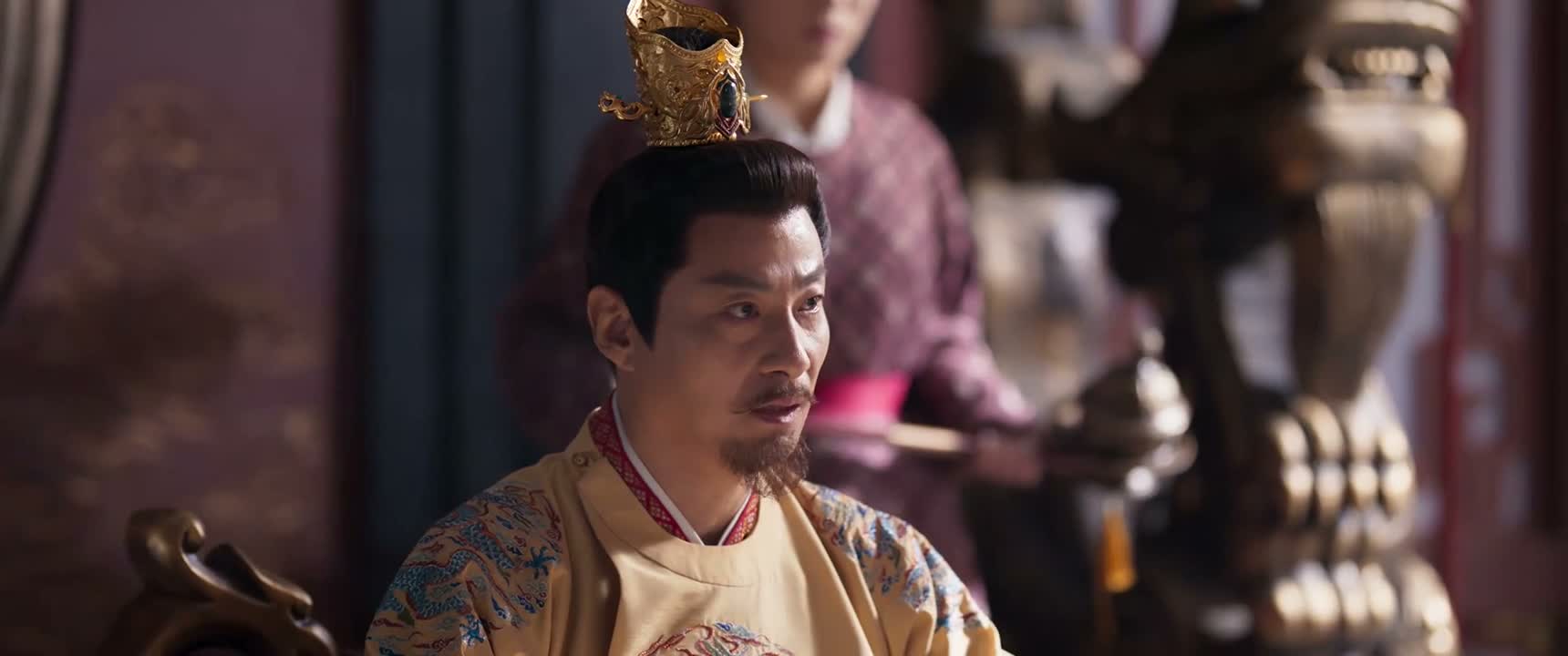
“give us an explanation.”