怎么把自己弄成这个样子了
“How did you get yourself into this?”
THE DIALOGUE REEL
你平时不是这么机灵吗
“Aren't you always sharp?”
怎么 把 自己 弄成这个样子 了
“How did you get yourself into this?”
“Are you going to give up the great name of Vice Minister Jing?”
“Look at you—it hurts me to see you looking this miserable and defeated.”
In Chinese relationships, showing deep care often takes the form of scolding or exasperated rhetorical questions rather than direct verbal comforting.
LEARNING CHUNKS & PARTICLES
end up in such a terrible state; make such a mess of oneself
A very common colloquial pattern used to express exasperation, pity, or scolding when someone looks injured, messy, or exhausted.
Marks a change of state, highlighting the drastic and unexpected shift into this disheveled condition.
VOCABULARY & EXPRESSIONS
Parallel Spoken Cinema Scenes (语义近邻切片)

“Why did you let yourself get like this?”

“But how did you end up like this,”

“So gloomy again.”

“How did you get yourself into this state?”

“make yourself look like this?”
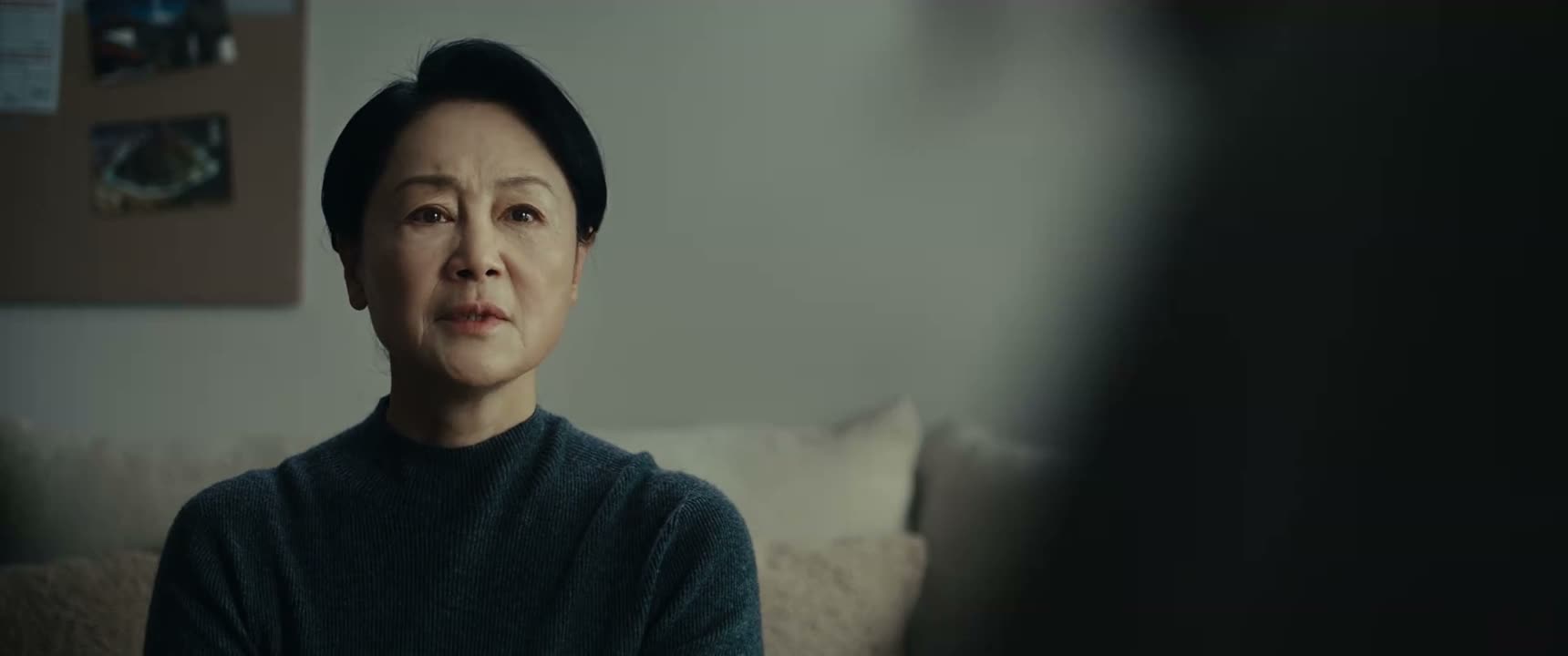
“What has gotten into you?”

“I ran away from home and ended up like this.”