都苦成个啥样子了
“saving money for the child's surgery.”
THE DIALOGUE REEL
你说
“saving money for the child's surgery.”
都苦成个啥样子了
“saving money for the child's surgery.”
“She's been singing day and night.”
Direct spoken expression in this communicative setting.
Chinese culture places significant emotional weight on witnessing loved ones endure extreme labor without proper reward, evoking strong shared grief.
LEARNING CHUNKS & PARTICLES
what a terrible state; what kind of appearance
Dialectal/colloquial equivalent of 什么样子, often used rhetorically to underline extreme disarray or suffering.
suffer to the point of; endure bitterness until
Combines 'suffering' (苦) with the resultative complement '成' to show how severe hardship has altered someone.
Signifies a change of state to an intolerable degree, emphasizing emotional impact.
Parallel Spoken Cinema Scenes (语义近邻切片)

“enduring all the pain”

“Is that what you call "haven't suffered much"? Let's not talk about unhappy things.”
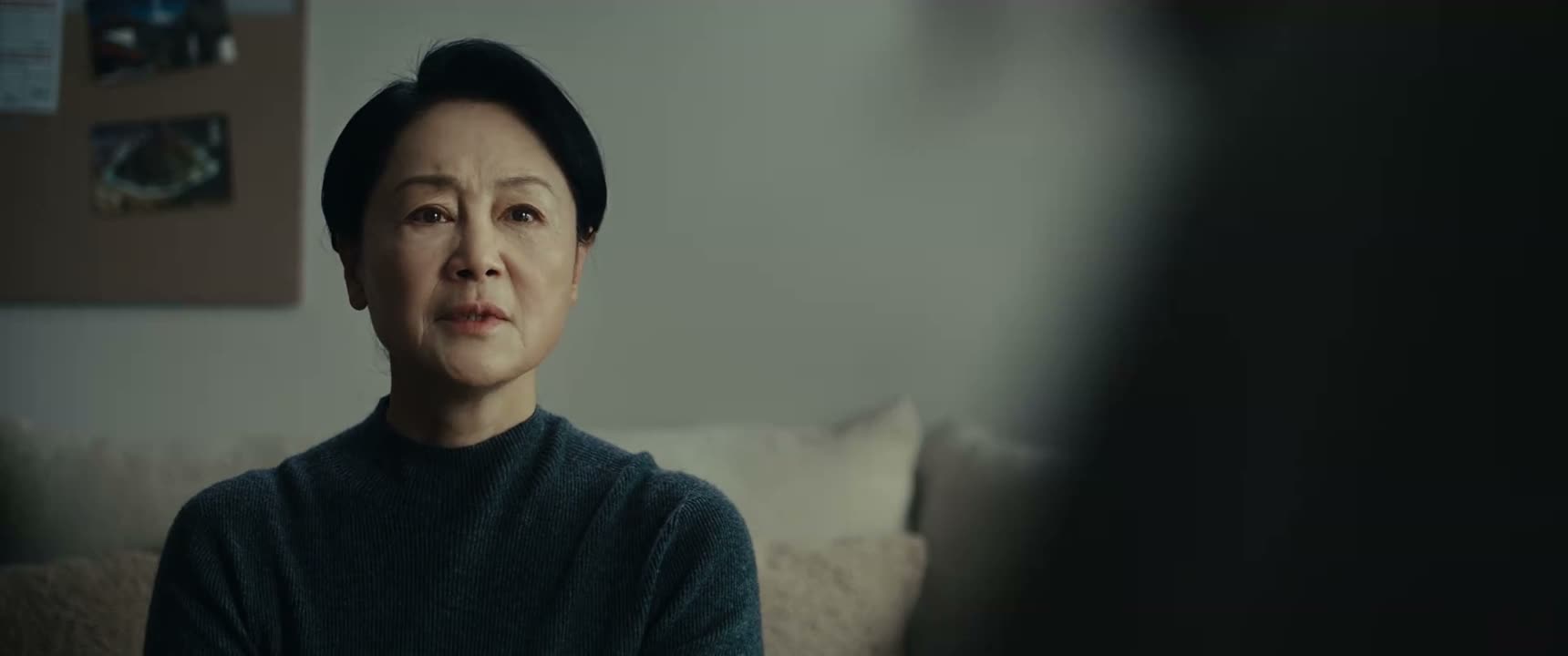
“What has gotten into you?”

“She suffered and toiled.”
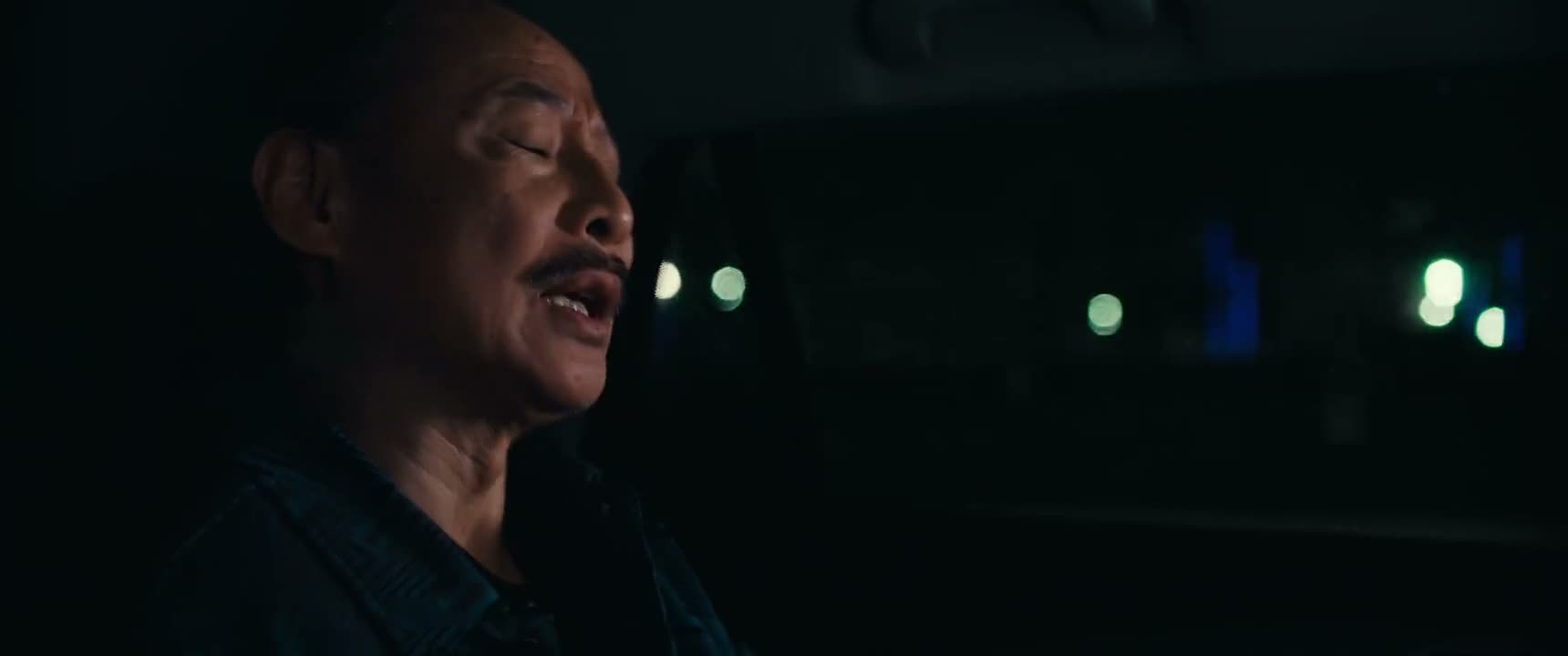
“That bit of hardship he went through, you call that suffering? That's what you call”

“No, no, no! It's not miserable.”