所以我带他跑了
“So I took him and fled,”
THE DIALOGUE REEL
“yet he would have to be a servant for life.”
所以 我 带他跑了
“So I took him and fled,”
来到了长安
“and came to Chang'an.”
Direct spoken expression in this communicative setting.
In ancient China, indentured servants often faced inescapable servitude, prompting high-risk escapes to bustling metropolises like Chang'an to hide.
LEARNING CHUNKS & PARTICLES
took him and ran away / fled with him
A direct colloquial way to describe escaping or fleeing together with someone.
Marks the completion of the action of fleeing.
VOCABULARY & EXPRESSIONS
Parallel Spoken Cinema Scenes (语义近邻切片)
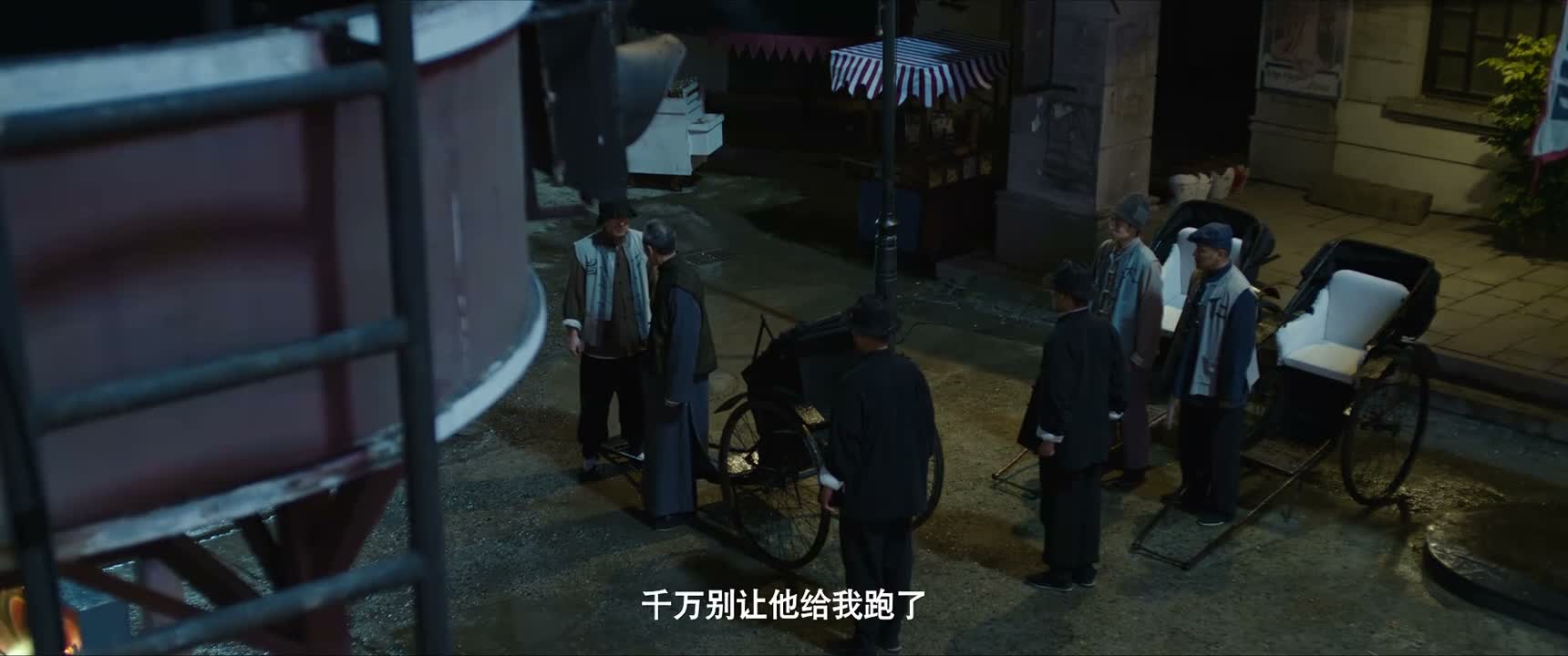
“Don't let him get away from me.”

“After him! Don't let him get away!”

“He took him along looking for projects,”

“I told him to take it easy.”

“When I called out to him, he ran away, and I couldn't catch up with him.”

“When I called out to him, he ran away, and I couldn't catch up with him.”