有你这么吓人的吗
“Why would you do such a thing?”
THE DIALOGUE REEL
有你这么吓人的吗
“Why would you do such a thing?”
你
“You...”
“You terrified me, how could you do that?!”
Rhetorical questions starting with '有你这么...' are standard emotional releases among intimates, combining playful complaint with genuine lingering shock.
LEARNING CHUNKS & PARTICLES
Is there anyone who does ... like you? / How could you act like this?
A highly idiomatic rhetorical pattern used to complain about someone's excessive or inappropriate behavior.
scary; startling
Used as an adjective or verb to describe causing someone to jump or feel sudden fear.
Forms a rhetorical question that sharpens the reproachful tone rather than seeking factual confirmation.
VOCABULARY & EXPRESSIONS
Parallel Spoken Cinema Scenes (语义近邻切片)
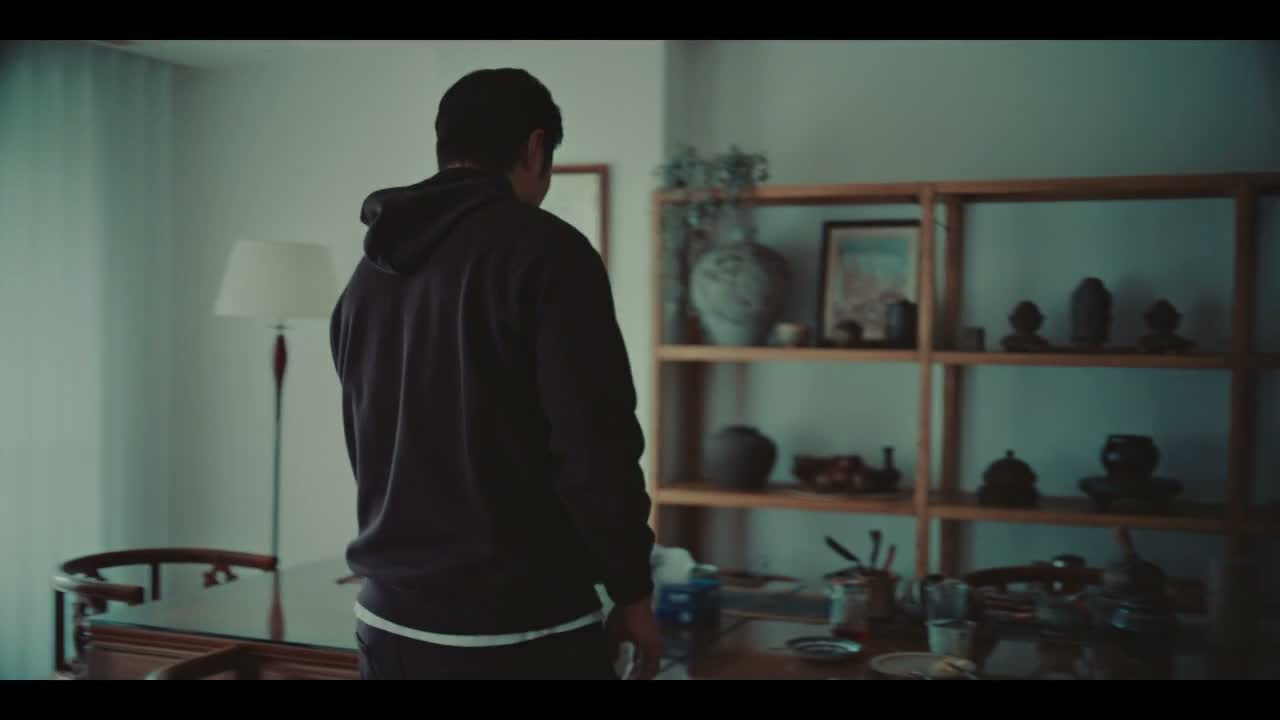
“You scared the hell out of me.”

“You think you can scare me like this?”

“Do I really frighten you that much?”

“It's terrifying.”
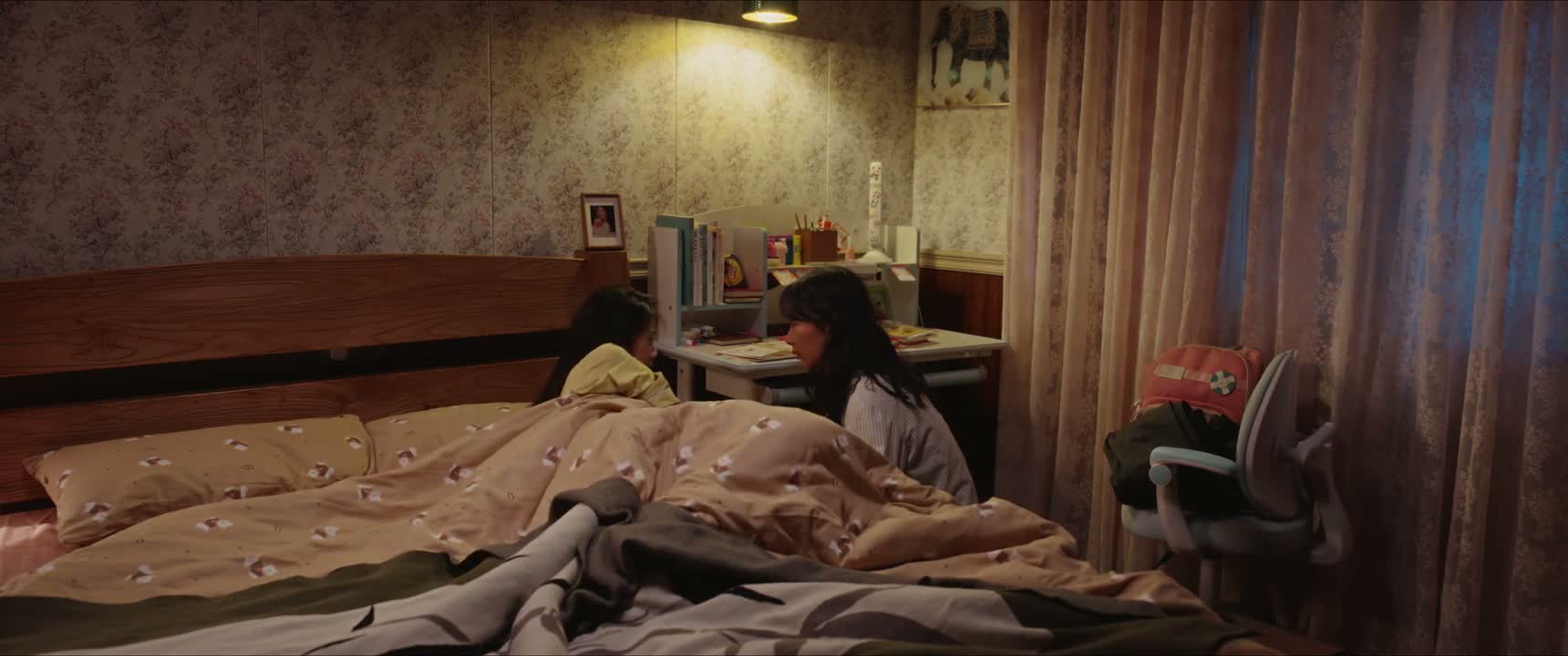
“You're the scary one, okay?”

“You scared me when you said that.”

“You asking me so suddenly made me spit out my drink.”