算不算是老树逢春呢?
“Wouldn't you call that an old tree coming back into bloom?”
THE DIALOGUE REEL
恢复了少年心气 连穿衣打扮都变得年轻了起来
“he's got some youthful spirit back. Even the way he dresses has gotten younger.”
算不算 是 老树逢春 呢?
“Wouldn't you call that an old tree coming back into bloom?”
你和露芜衣 都是千年狐狸 和你俩比起来
“You and Lu Wuyi are both thousand-year-old foxes. Compared to you two,”
“Look at you acting young again—did you fall in love or find a new spark at your age?”
Nature metaphors like withered trees blooming again in spring reflect the Chinese philosophical view of cyclical renewal, often humorously repurposed to tease mature adults acting like smitten teenagers.
LEARNING CHUNKS & PARTICLES
an old tree blooming in spring; rejuvenation in old age or late-blooming love
An idiomatic expression applied humorously or admiringly to an older person regaining youthful vigor, enthusiasm, or romance.
does it count as; can it be considered
An interrogative structure used to solicit an opinion or categorize a phenomenon tentatively.
Softens the rhetorical question and gives it a reflective, playful cadence.
VOCABULARY & EXPRESSIONS
Parallel Spoken Cinema Scenes (语义近邻切片)

“It couldn't possibly be during the Spring Outing, right?”
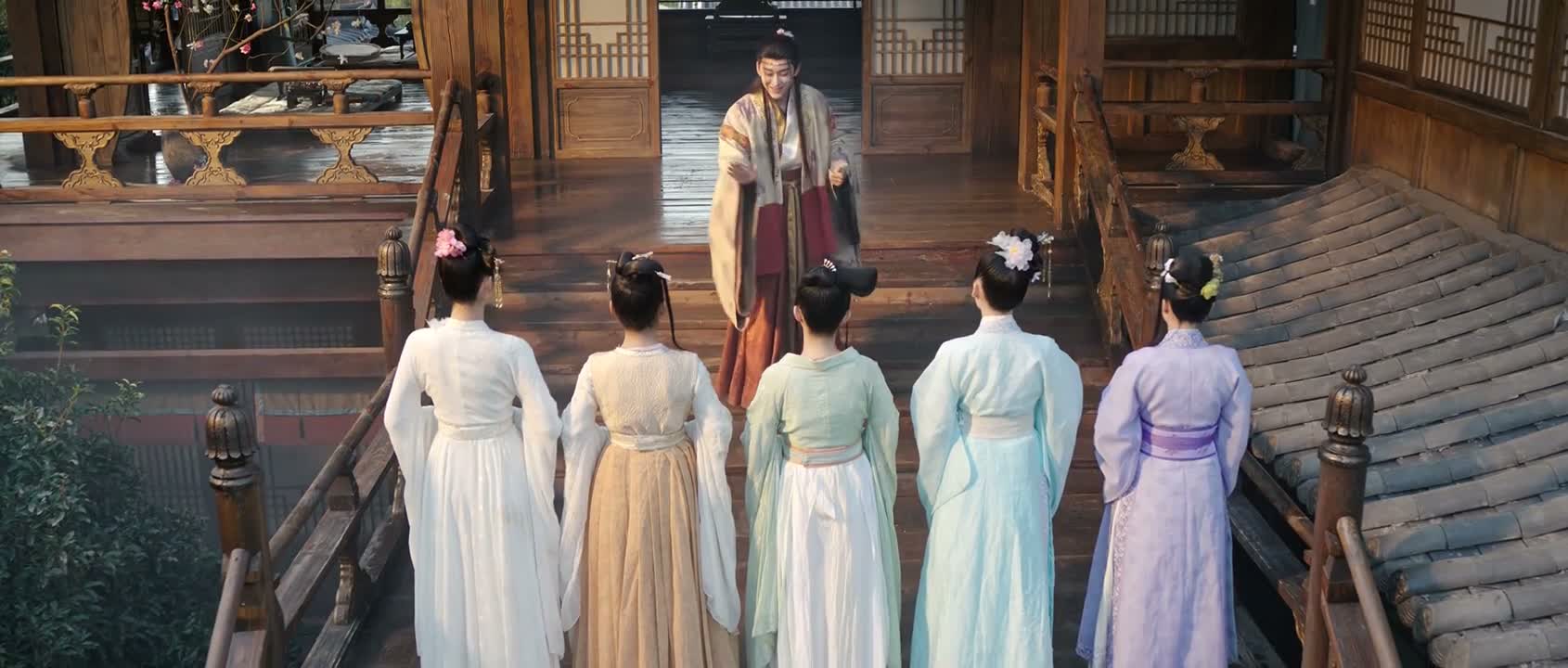
“he's over the moon.”
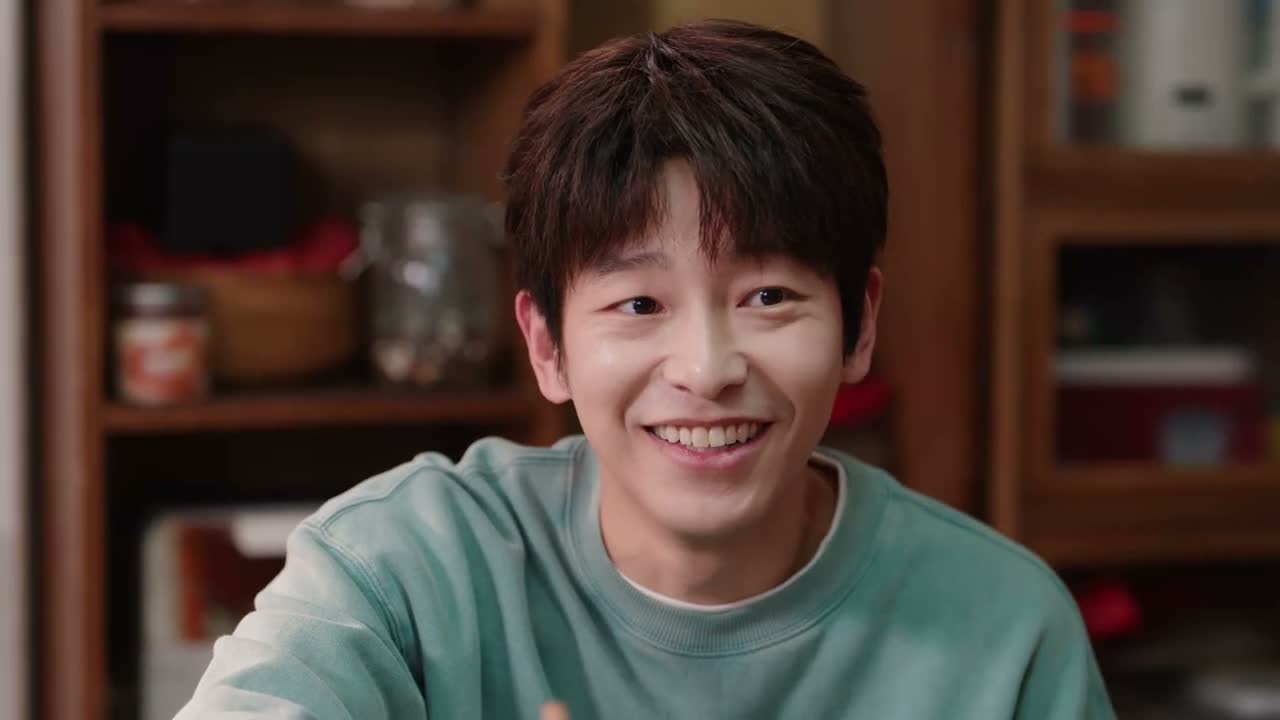
“It's the Chinese New Year.”

“Everything has its destiny.”
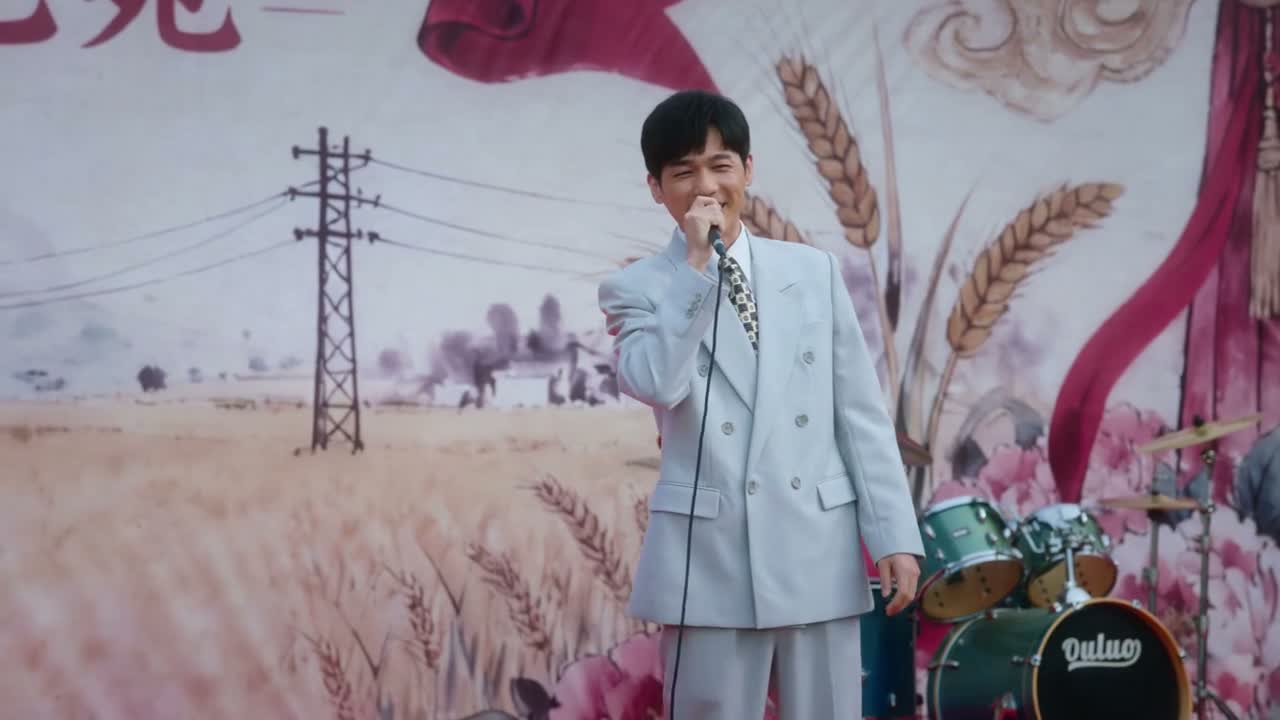
“In this season of revival”

“Rural folks value their hometown.”