妄言 你究竟为何怀疑寄灵呢?
“Wangyan, why do you suspect Ji Ling so much?”
THE DIALOGUE REEL
妄言 你 究竟为何 怀疑 寄灵呢?
“Wangyan, why do you suspect Ji Ling so much?”
你是不是知道些什么?
“Do you know something?”
“You clearly know something that you are not telling me.”
Even during an intense cross-examination among peers, speakers often append modal particles like 'ne' to blunt the harshness of direct interrogatives like 'jiujing'.
LEARNING CHUNKS & PARTICLES
why on earth; for what reason after all
A semi-formal rhetorical chunk used when pressing someone for the root cause of an unexpected action or belief.
to suspect; to doubt
Commonly used when questioning someone's innocence or doubting the validity of a claim.
Softens the direct question while sustaining an inquisitive, probing tone.
VOCABULARY & EXPRESSIONS
Parallel Spoken Cinema Scenes (语义近邻切片)

“So Ji Ling is not trustworthy.”

“Ji Ling. Is that you?”
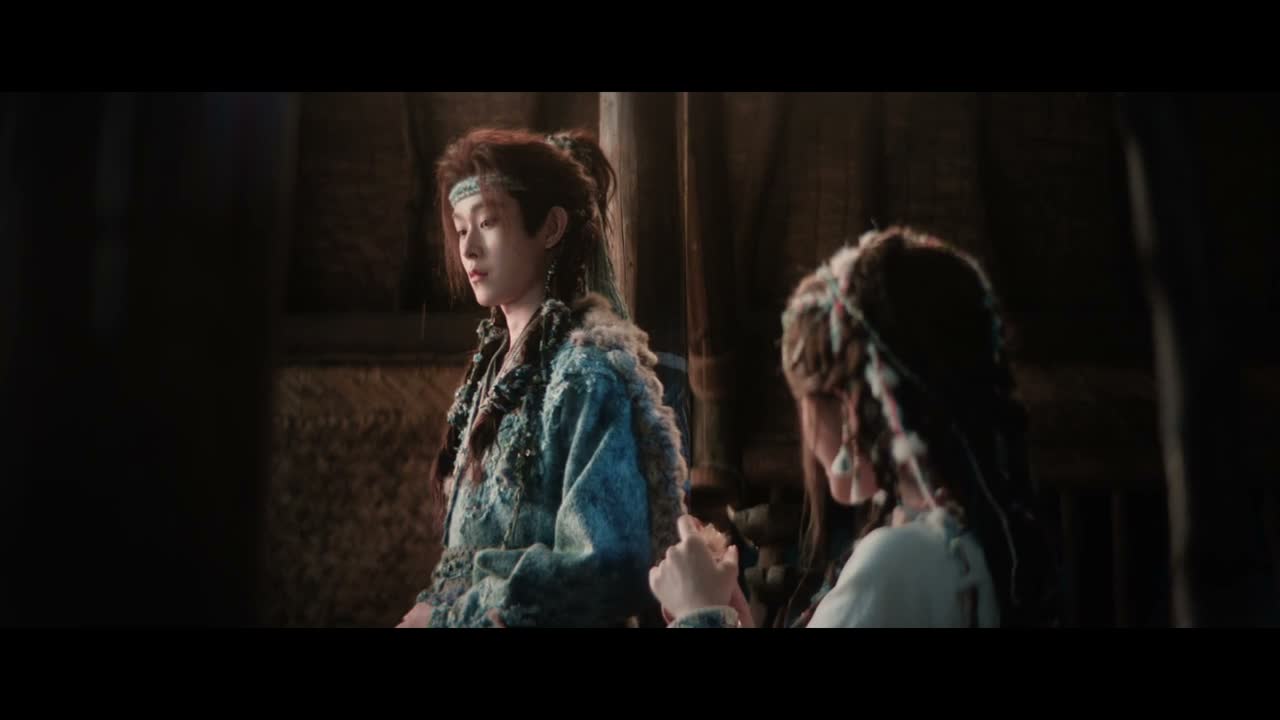
“Did Ji Ling tell you to?”

“I was worried your Word Magic might suddenly fail again.”

“The one truly at fault in all this is Ji Ling.”
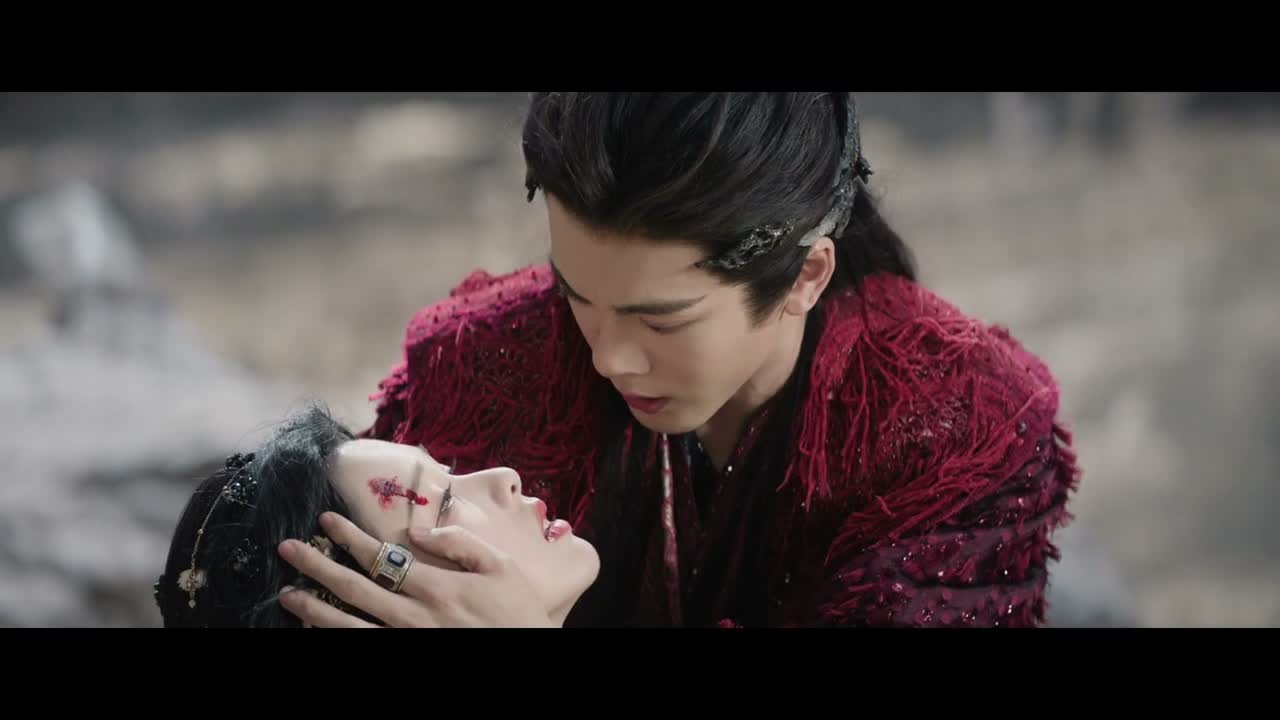
“Wangyan, hang in there.”