小石榴 可这小石榴怎么看起来像在哭啊?
“Little Pomegranate? Why does Little Pomegranate look like she's crying?”
THE DIALOGUE REEL
小石榴
“Little Pomegranate.”
小石榴 可这小石榴 怎么看 起来 像在哭 啊 ?
“Little Pomegranate? Why does Little Pomegranate look like she's crying?”
这不是雾姐姐吗?
“Isn't that Wangyan?”
Direct spoken expression in this communicative setting.
Adding 'Xiao' (little) before common nouns or given names creates affectionate pet names or nicknames used for young people, pets, or familiar companions.
LEARNING CHUNKS & PARTICLES
looks like; appears to be
Use this spoken structure to make visual deductions or describe someone's apparent state or mood.
why does it look like...
A handy rhetorical pattern to question unexpected or puzzling physical appearances.
Softens the interrogative sentence, adding a touch of curiosity, warmth, and gentle concern.
VOCABULARY & EXPRESSIONS
Parallel Spoken Cinema Scenes (语义近邻切片)

“Master Zhong, one doesn't eat pomegranates this way.”

“Your story with Little Pomegranate must've been full of longing and heartbreak.”

“Look, this little sprout is growing so well.”

“He really is an impulsive young fool.”
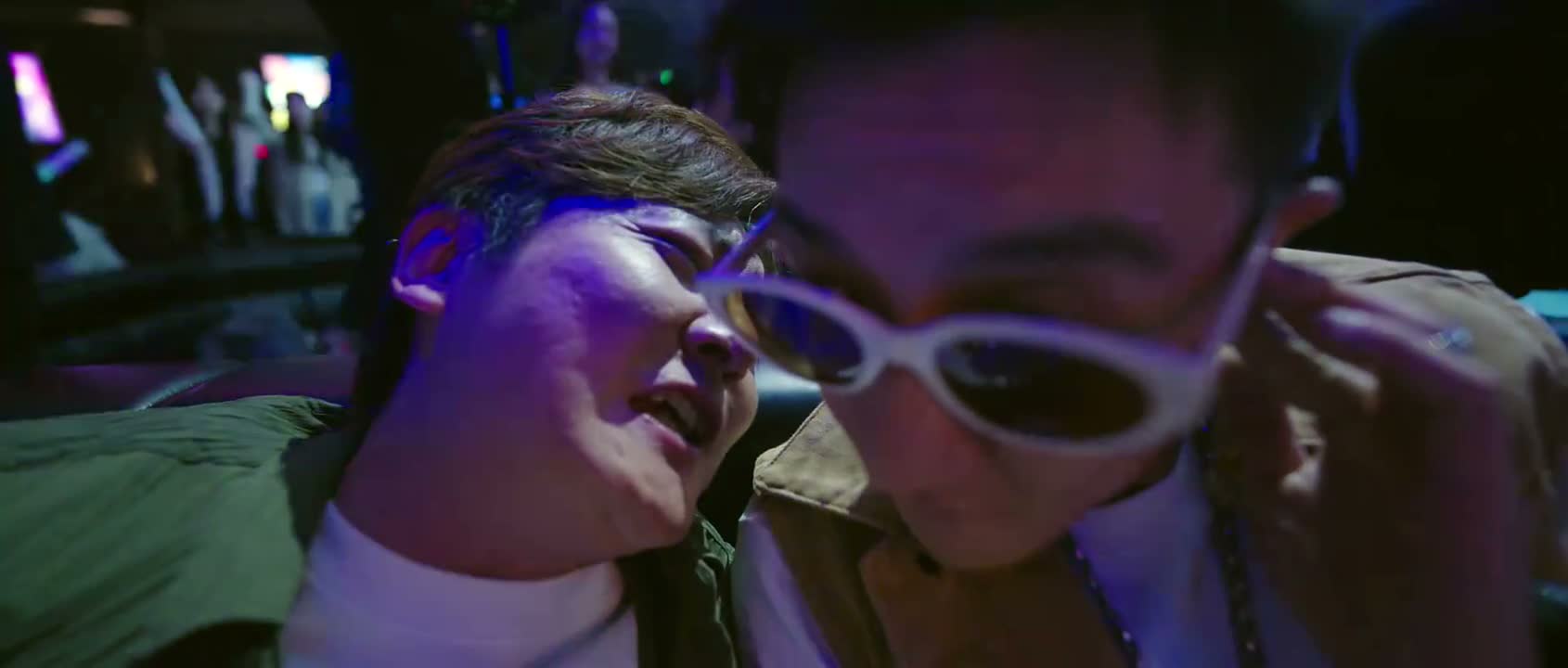
“grinning from ear to ear,”
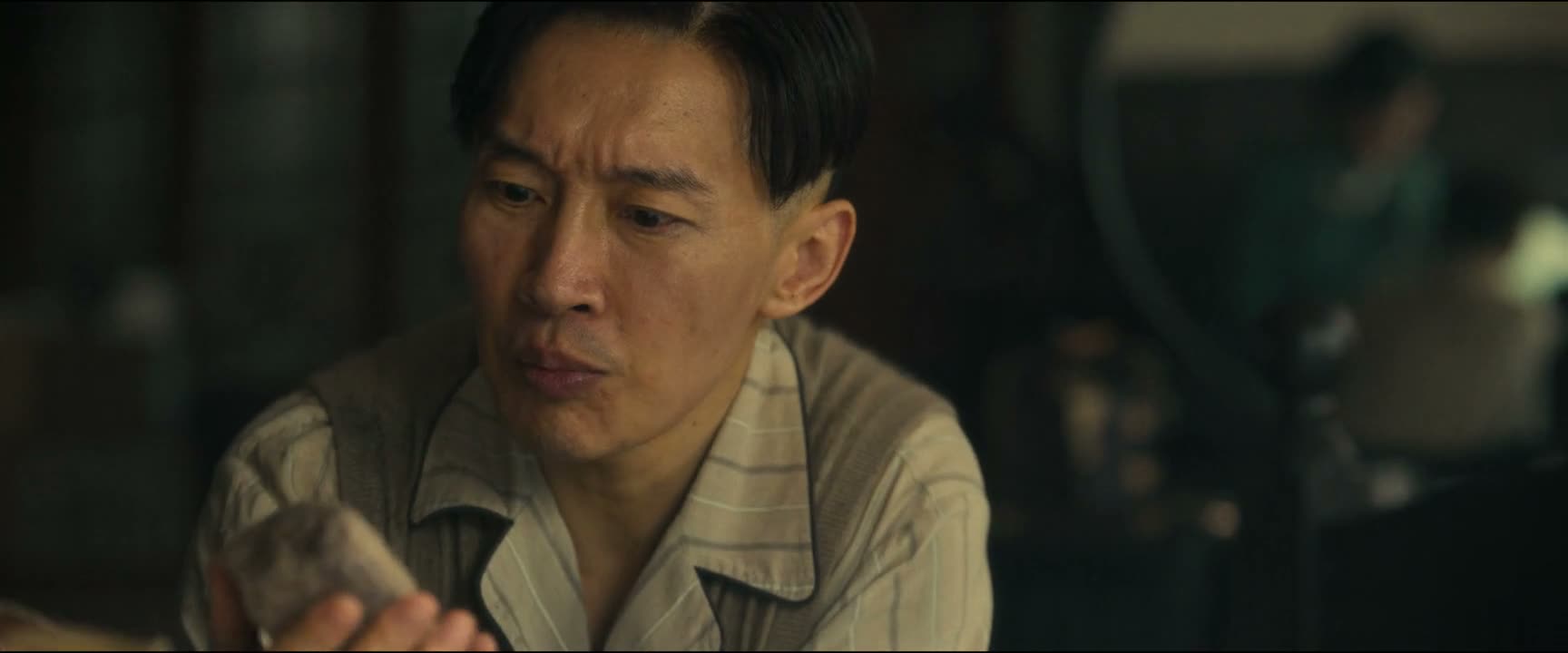
“It doesn't look like a piece of seeds.”