不当逃兵 当炮灰啊
“If I'm not a deserter, should I be cannon fodder?”
THE DIALOGUE REEL
团长和旅长都找不着了 阵地也不知在哪儿
“the regiment and brigade commanders are missing, and we don't know where the positions are.”
不当 逃兵 当炮灰 啊
“If I'm not a deserter, should I be cannon fodder?”
我看你是个练家子
“I see you are a martial artist.”
“I'd rather run away and survive than die for nothing on a lost battlefield.”
In Chinese wartime narratives, low-ranking soldiers often display raw survival instincts, bluntly weighing abstract duty against personal survival.
LEARNING CHUNKS & PARTICLES
to desert; to become a runaway soldier
Literally means military desertion, but colloquially extended to quitting or running away from responsibility.
to be cannon fodder; to sacrifice oneself uselessly
A very common metaphor used to describe taking the brunt of risk or sacrifice for someone else's gain.
Enhances the rhetorical force and defensive sarcasm of the rhetorical question.
VOCABULARY & EXPRESSIONS
Parallel Spoken Cinema Scenes (语义近邻切片)
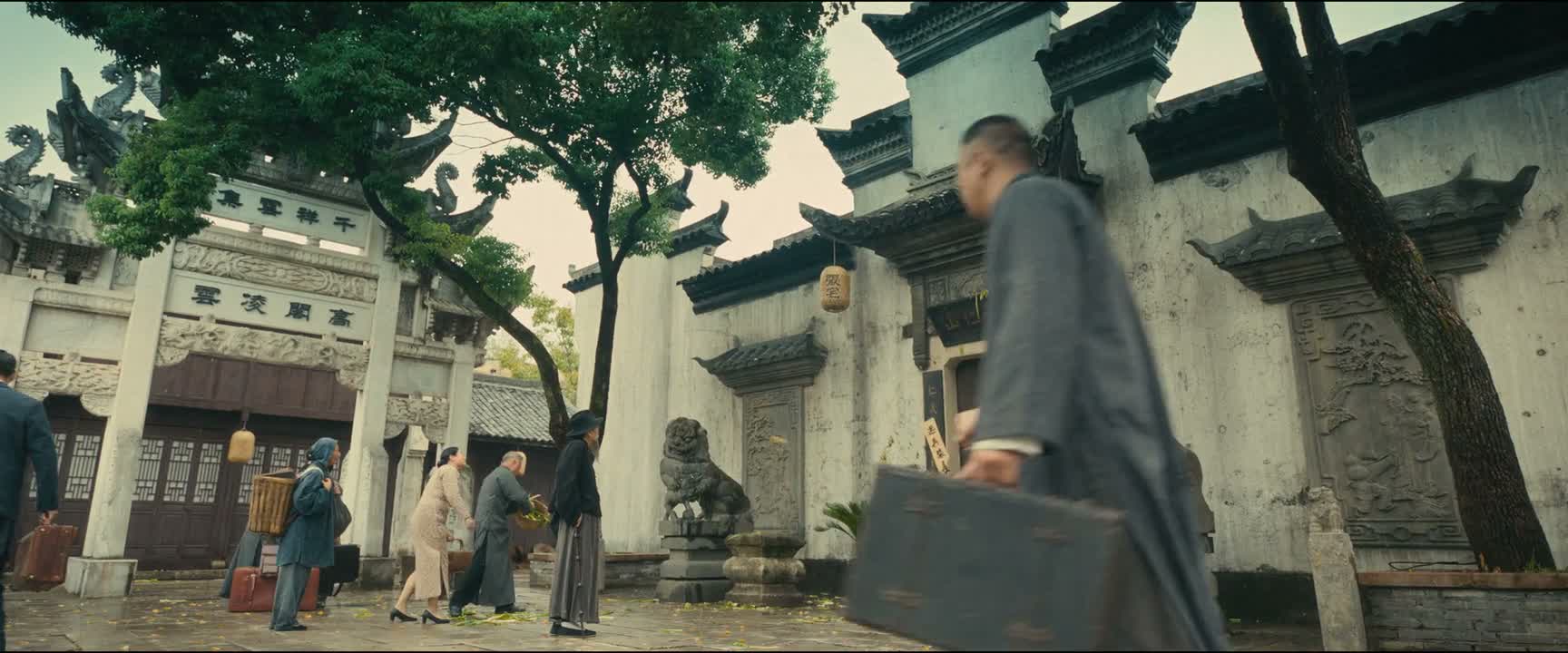
“Deserter! You are a soldier. What are you doing? You are paid by the country!”
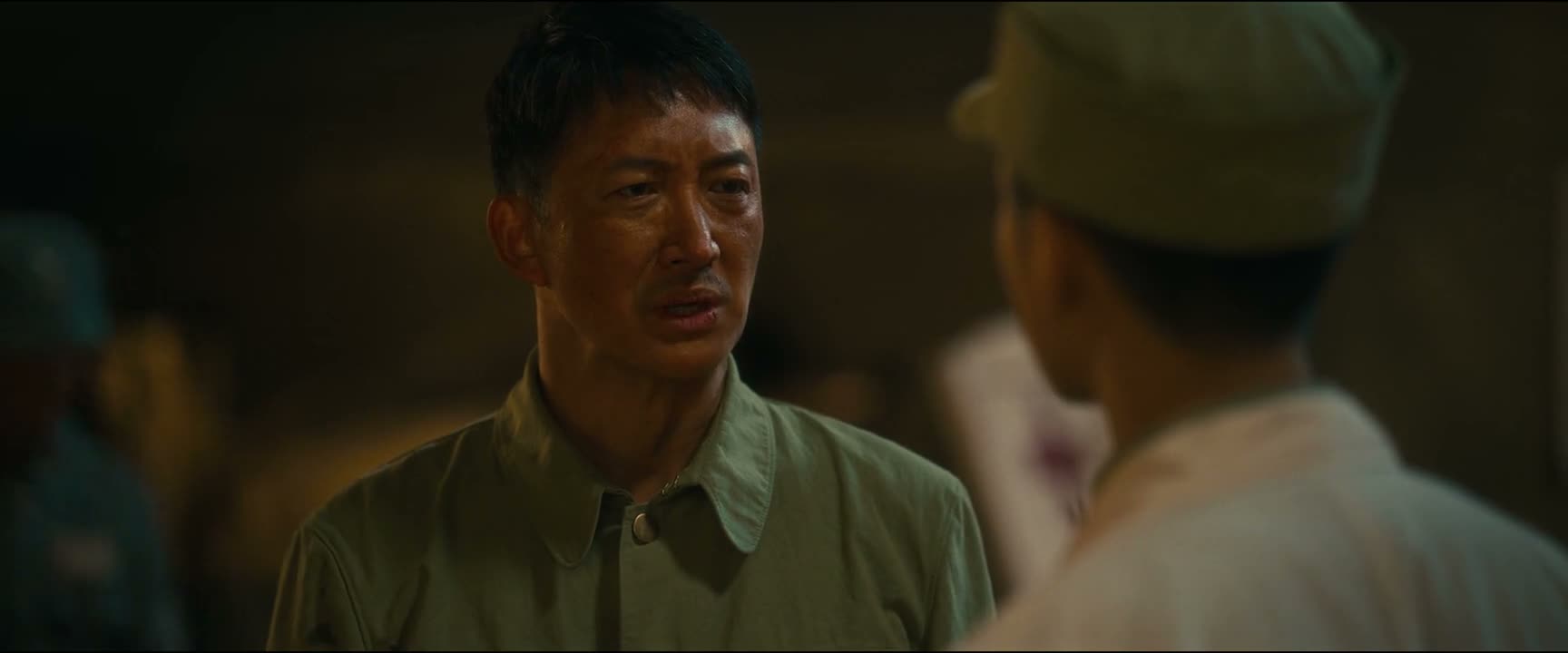
“like me. They won't rest in peace.”

“I wasn't asking you to be a deserter.”

“deserters are to be beheaded.”
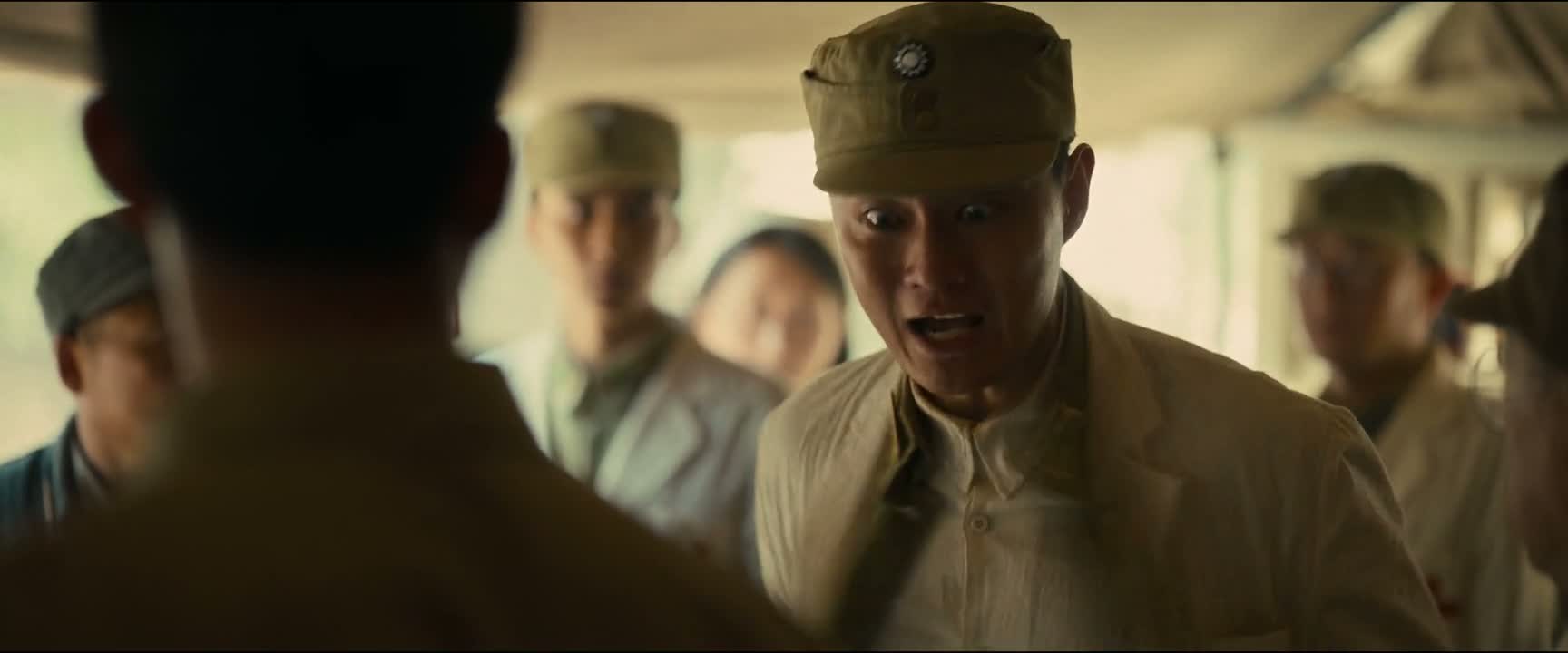
“You have the nerve to call me a deserter?”
“You are the deserter.”