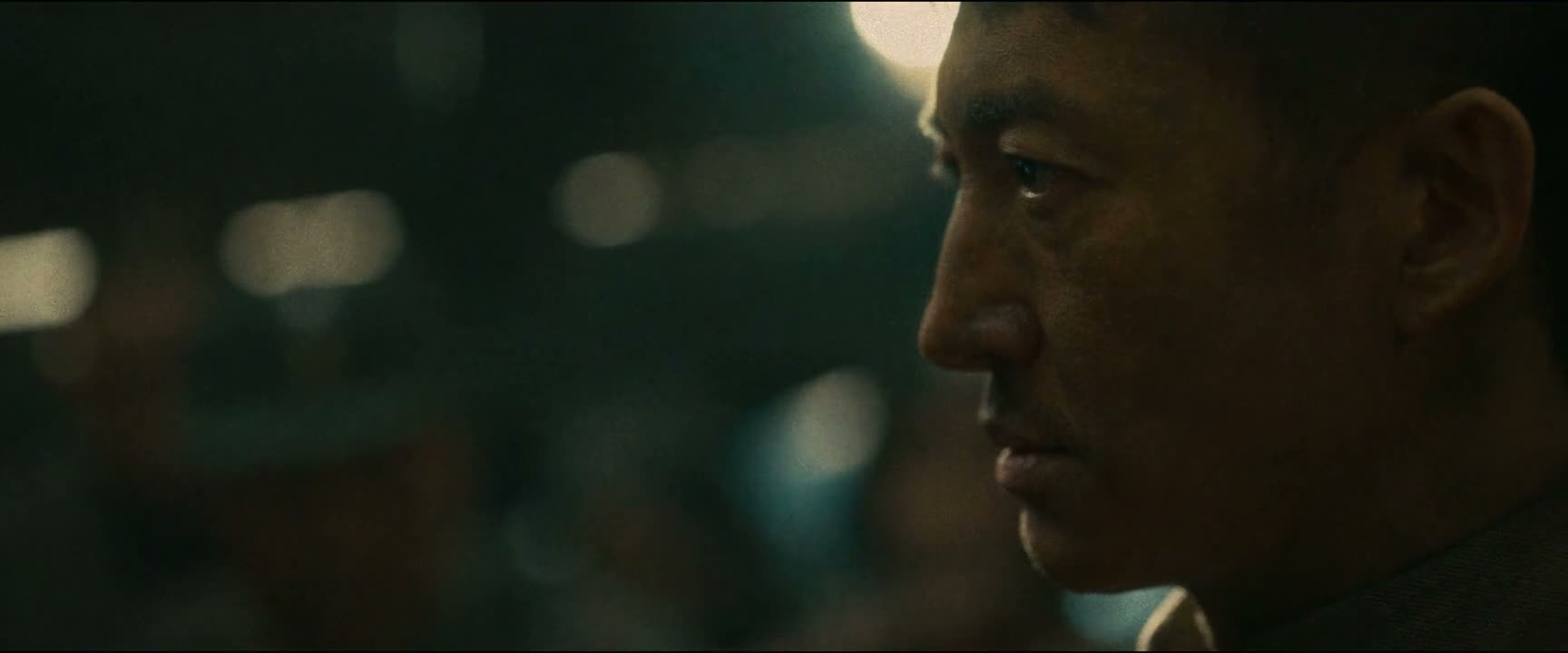
你还有脸说我是逃兵
“You have the nerve to call me a deserter?”
THE DIALOGUE REEL
我是逃兵
“I'm a deserter?”
你 还有脸说 我是 逃兵
“You have the nerve to call me a deserter?”
你就是那个最大的逃兵 你想干什么 干什么
“You are the biggest deserter! What are you trying to do? What?”
“Look in the mirror before you dare to call me a coward.”
Saying someone 'still has face/nerve' (还有脸) directly attacks their moral decency, framing their words as unearned shamelessness.
LEARNING CHUNKS & PARTICLES
to have the nerve; to have the audacity to do something shameful
A harsh spoken accusation pointing out shameless behavior or blatant hypocrisy.
deserter; runaway soldier
Literally military deserter, also used metaphorically for anyone who shirks responsibility or runs away.
VOCABULARY & EXPRESSIONS
Parallel Spoken Cinema Scenes (语义近邻切片)
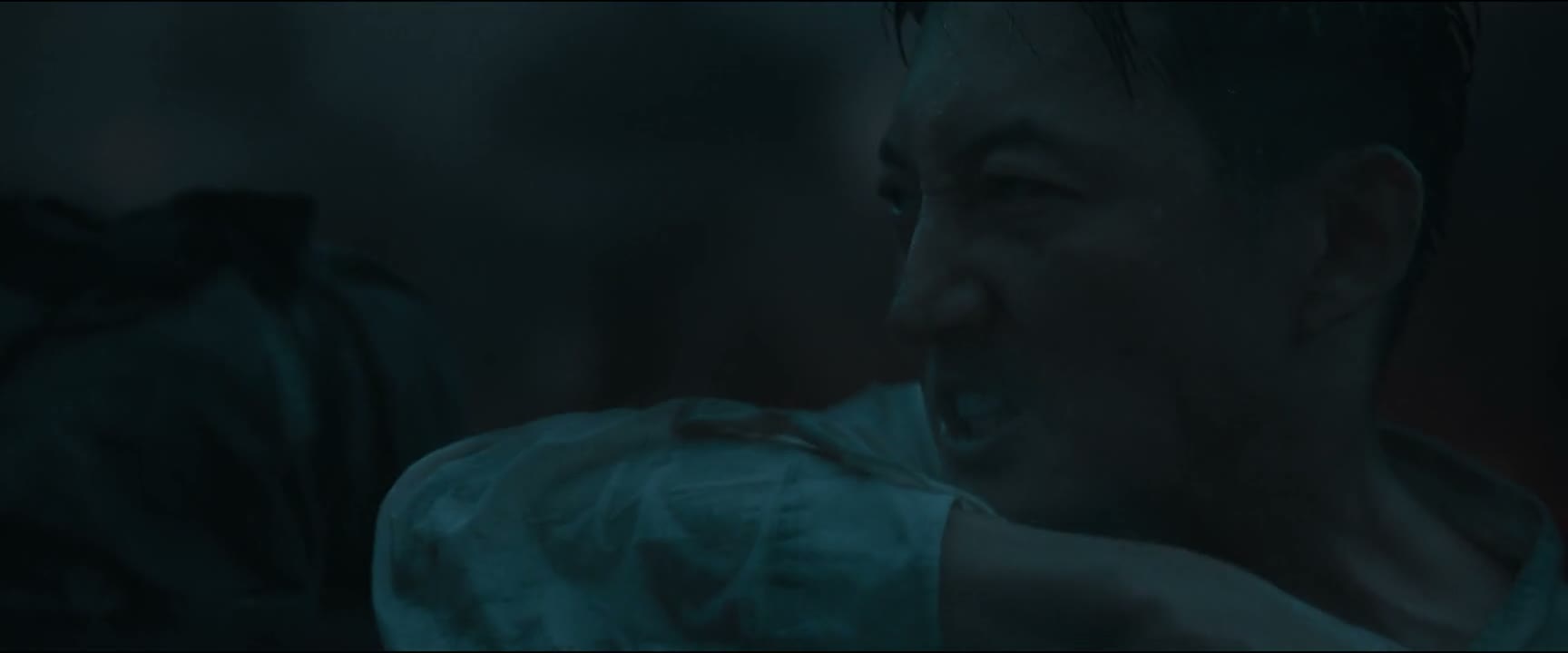
“You are the deserter.”
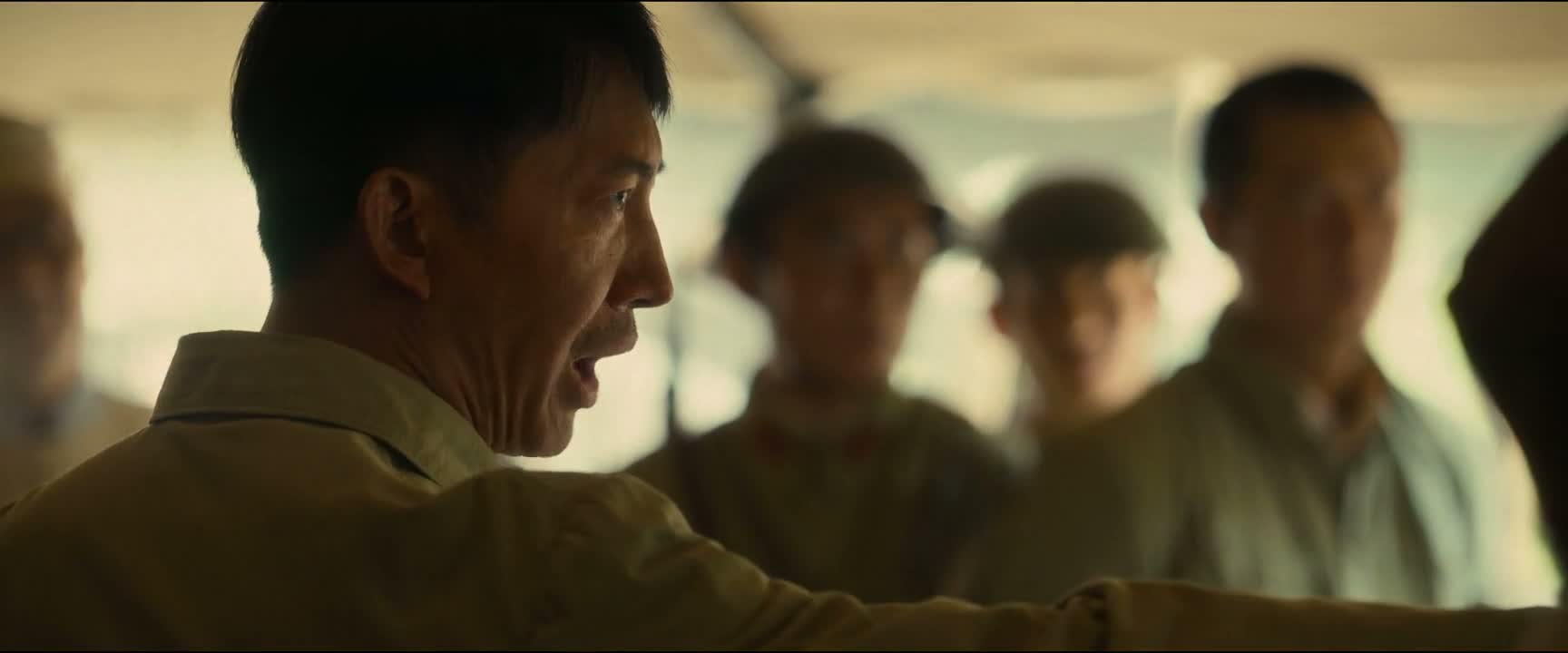
“If you do, you're a deserter.”

“I wasn't asking you to be a deserter.”
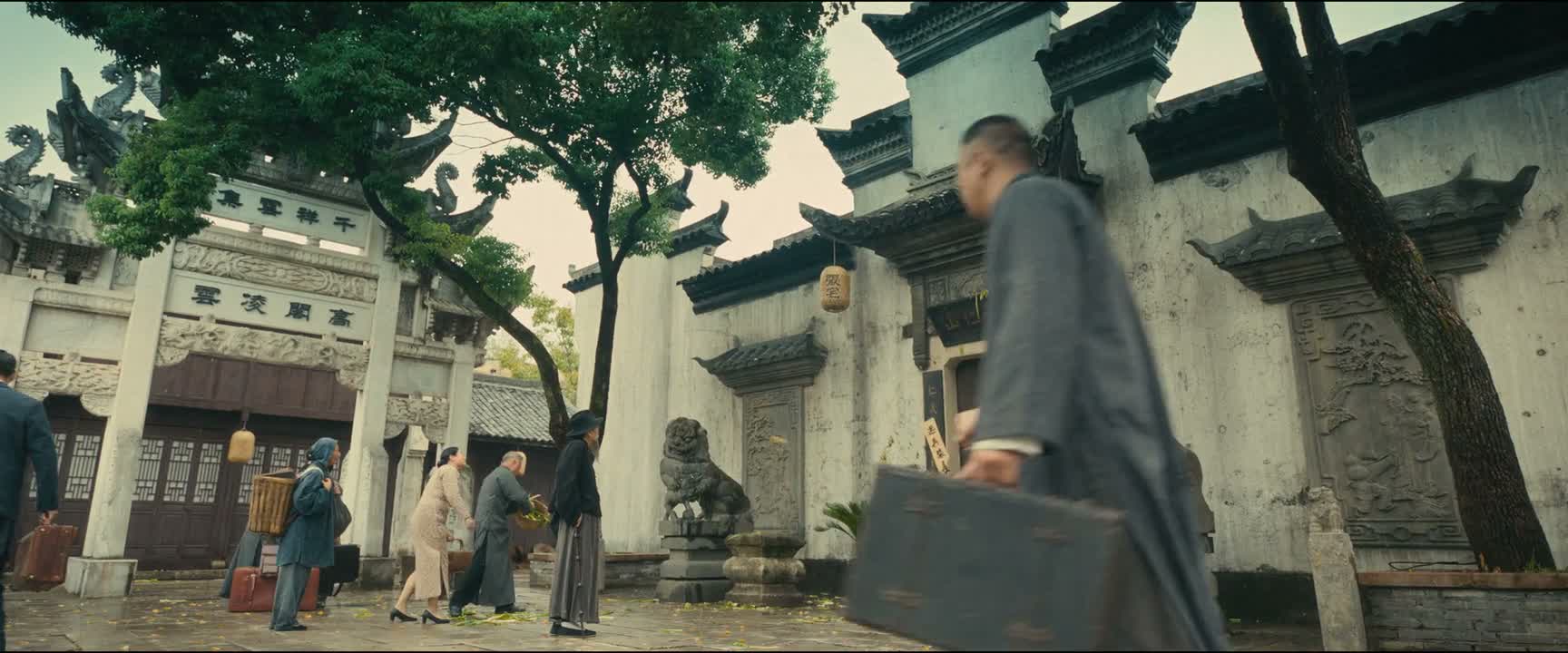
“Deserter! You are a soldier. What are you doing? You are paid by the country!”
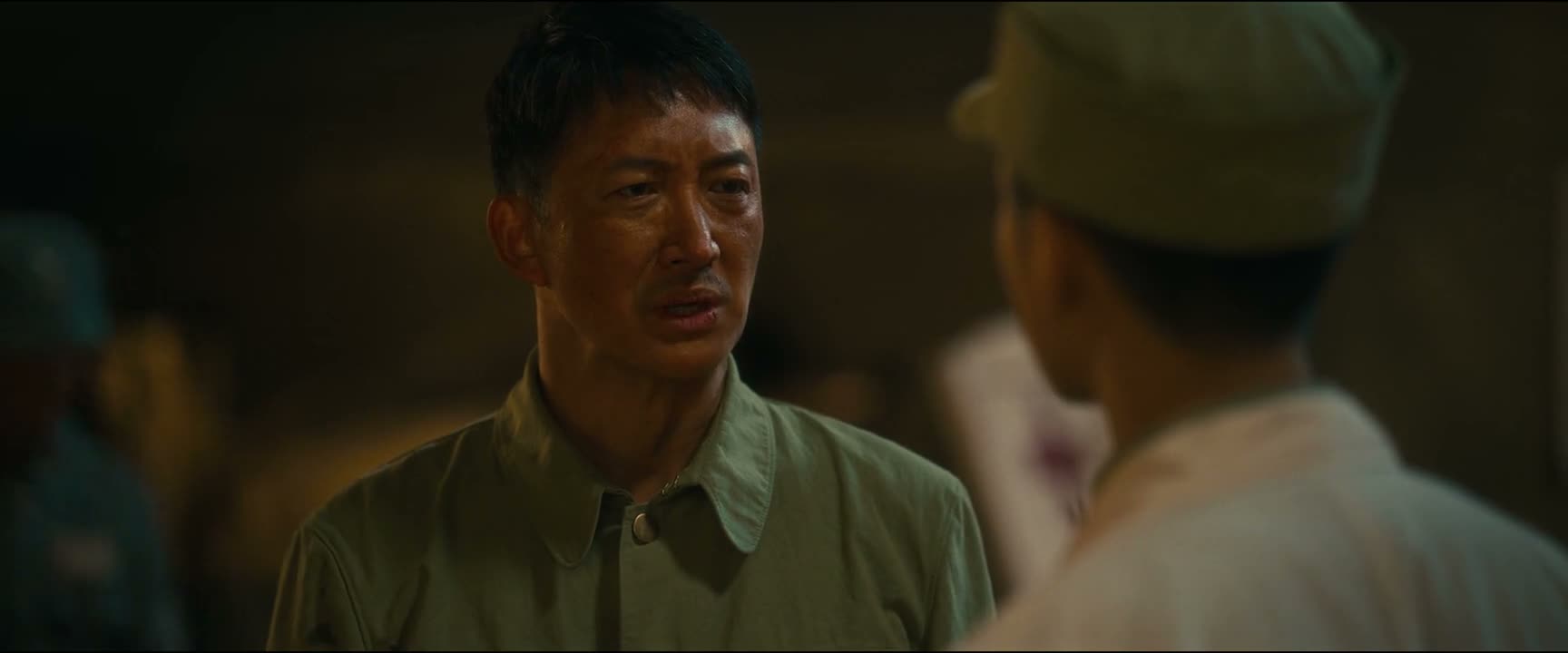
“like me. They won't rest in peace.”
“If I'm not a deserter, should I be cannon fodder?”