你太累了 都出现幻觉了
“You're exhausted. You're hallucinating.”
THE DIALOGUE REEL
他打呼噜呢
“He was snoring.”
你 太累了 都 出现幻觉 了
“You're exhausted. You're hallucinating.”
你守他一会儿
“Watch him for a while.”
“You are overthinking things because you are exhausted; don't take your senses so seriously.”
In close Chinese relationships, people often minimize alarming statements by attributing them to mundane fatigue as a protective way to show care.
LEARNING CHUNKS & PARTICLES
too tired / exhausted
A common everyday collocation to point out someone's overt fatigue.
to experience hallucinations
Frequently used colloquially or hyperbolically to tell someone they are imagining things.
Marks a newly emerged state of fatigue and resulting hallucinatory perception.
VOCABULARY & EXPRESSIONS
Parallel Spoken Cinema Scenes (语义近邻切片)

“I'm exhausted. I just want to sit quietly for a while. I don't want to be chased around.”
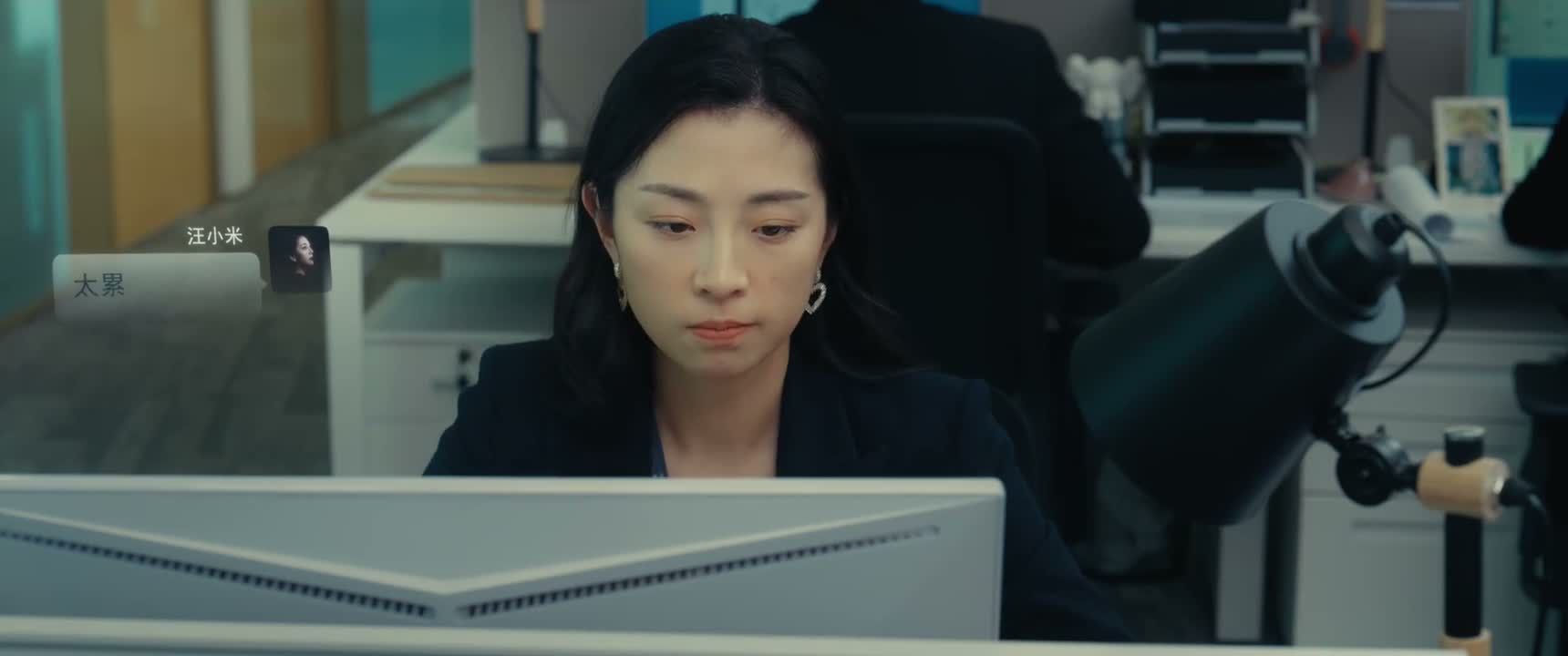
“(Wang Xiaomi) (Too tired. No choice.) (She has to work overtime.)”

“I've been so tired these days.”

“I'm a little tired, and want to go back first.”

“He's truly exhausted.”

“What a day.”