太累了 没办法 人家要加班
“(Wang Xiaomi) (Too tired. No choice.) (She has to work overtime.)”
THE DIALOGUE REEL
这东西不能多喝吧
“(Chen Mina) (It shouldn't be drunk too much, right?)”
太累了 没办法 人家 要 加班
“(Wang Xiaomi) (Too tired. No choice.) (She has to work overtime.)”
谁不加班啊
“(Wang Anran) (Who doesn't work overtime?)”
“Don't lecture me about what I drink; my exhausting job forces me into this.”
Enduring relentless overtime is a shared social reality in urban China, often referenced casually as a universal justification for fatigue or coping habits.
LEARNING CHUNKS & PARTICLES
there is no way out; can't help it
A very frequent colloquial chunk used to express resignation toward uncontrollable external circumstances.
too tired; utterly exhausted
Use this to state severe physical or mental fatigue concisely.
Functions as a marker of excess when paired with 'tai', emphasizing the extreme degree of exhaustion.
VOCABULARY & EXPRESSIONS
Parallel Spoken Cinema Scenes (语义近邻切片)

“(Too tired) - (to breathe.) - Find her now. Get all our sales ladies to find her.”

“He is just too busy and tired from work.”
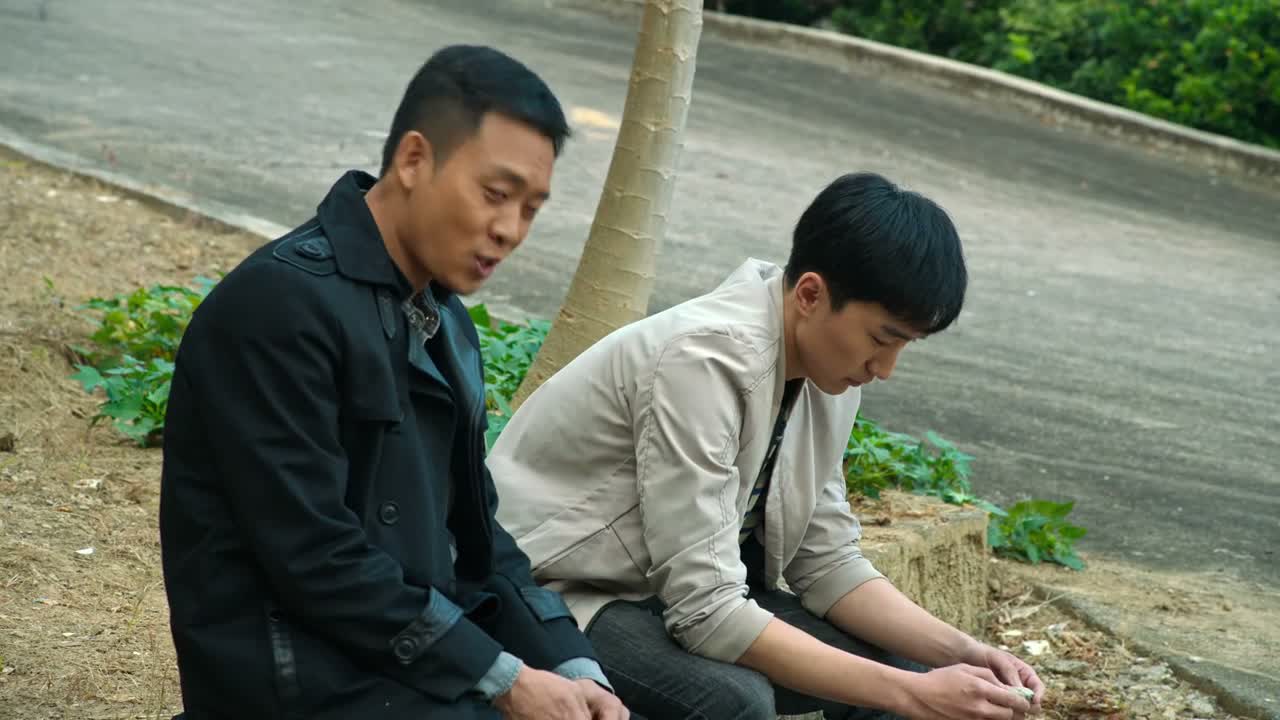
“I've been so tired these days.”

“You're exhausted. You're hallucinating.”

“I'm exhausted.”

“It's been really tiring lately.”