MC
MandarinClips Cinema Corpus
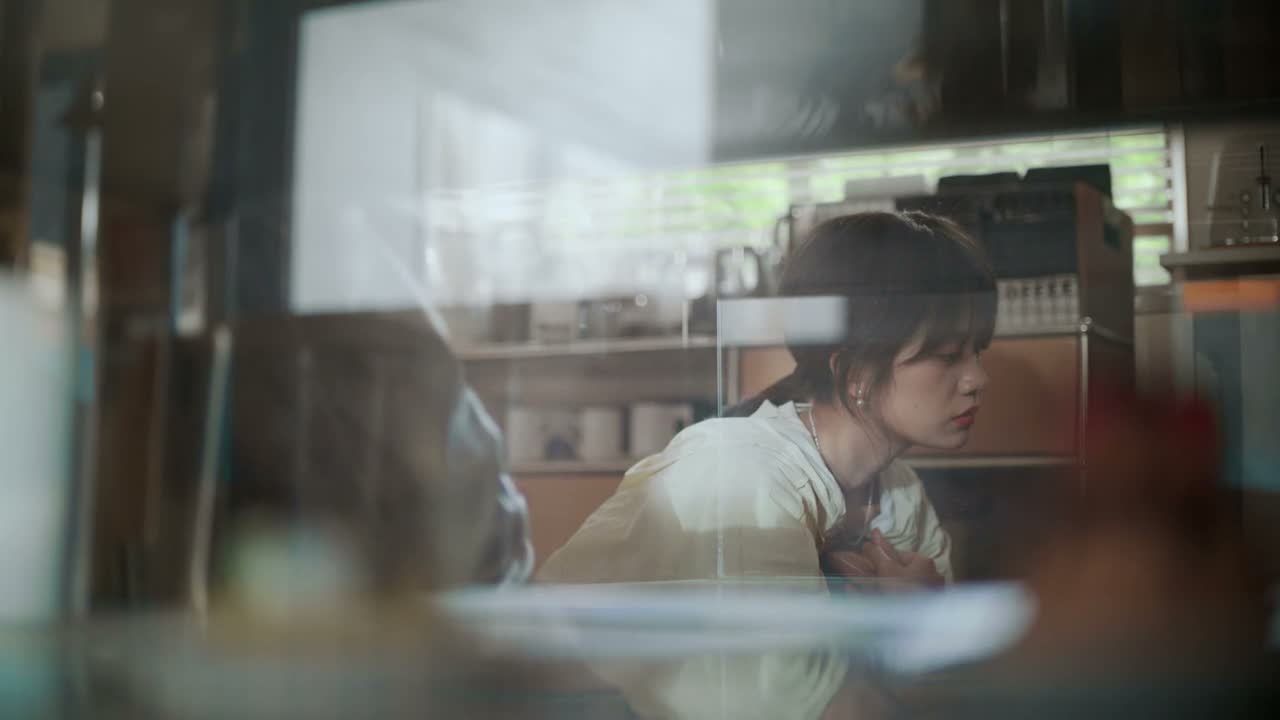
《No Pain No Gain》 S1·E26 (37:18) HSK 3
nǐ nà ge shí hòu shì bú shì jiù zhī dào zán men téng dá huì yǒu jīn tiān a

你那个时候是不是就知道 咱们腾达会有今天啊

“back then, did you already know that Tengda would become what it is today?”

《No Pain No Gain》 S1·E26
TIMECODE: 37:18 · 1080P MASTER AUDIO

THE DIALOGUE REEL

1+1+1 SPOKEN CONTINUITY
[-1] PREVIOUS TURN shuō shí huà a

说实话啊

“Honestly,”

nǐ nà ge shí hòu shì bú shì jiù zhī dào zán men téng dá huì yǒu jīn tiān a CURRENT FOCUS

你 那个 时候 是不是 就知道 咱们腾达 会有今天 啊

“back then, did you already know that Tengda would become what it is today?”

[+1] FOLLOW-UP TURN wèi gē tā men zài shuō shén me ne tīng bù qīng a liáo dé tǐng kāi xīn de

魏哥 他们在说什么呢 听不清啊 聊得挺开心的

“Wei. What are they talking about? I cannot hear clearly. They seem pretty happy.”

Subtitles synced to millisecond timecode Browse Show Clips →
Scene: Workplace
Function: SEEKING VALIDATION
Tone: ADMIRING
Emotion: ADMIRATION
WHAT THEY REALLY MEAN (PRAGMATIC SUBTEXT)
“You were a visionary from day one, weren't you?”
💡 Cultural Insight: Entrepreneurial Camaraderie

Colleagues who built a venture together often bond over reminiscing about humble beginnings versus present-day triumph.

INTENT TAGS: #praise #reminiscing #flattery #validation
🧩

LEARNING CHUNKS & PARTICLES

2 CHUNKS · 1 PARTICLES
会有今天 SPOKEN CHUNK

would have a day like today; would achieve today's outcome

Commonly used in spoken Chinese to refer to either great success or dramatic downfall depending on context.

那个时候 SPOKEN CHUNK

back then; at that time

A very standard temporal phrase used to reminisce or refer back to a specific past period.

Modal Particle「啊」 (a) CHANGE OF STATE

Softens the rhetorical question and makes the tone warm, conversational, and inquisitive.

🏮

VOCABULARY & EXPRESSIONS

4 EXPR · 2 GRAMMAR
CROSS-CINEMA CORPUS BOARD · PARALLEL SCENES

Parallel Spoken Cinema Scenes (语义近邻切片)

EXPLORE BY SEMANTIC SIMILARITY
《No Pain No Gain》 S1·E26 (37:18) · Authentic Cinema Dialogue Corpus