同一个位置 那能忘吗
“Same seat. How could I forget?”
THE DIALOGUE REEL
“You must have forgotten. On our first day here, we met right at this spot.”
同一个 位置 那能忘吗
“Same seat. How could I forget?”
我千算万算也没想到 又回到腾达了 那谁能想到
“I never expected to end up back at Tengda. Who would have thought?”
“Of course I remember; that moment was just as significant to me as it was to you.”
Remembering the early days of starting a career together is a common way Chinese peers reinforce mutual loyalty and closeness.
LEARNING CHUNKS & PARTICLES
how could I possibly forget that?
A natural rhetorical response used to playfully or warmly assure someone that an important memory is unforgettable.
Forms a rhetorical question that strongly implies the affirmative answer.
VOCABULARY & EXPRESSIONS
Parallel Spoken Cinema Scenes (语义近邻切片)

“It's just normal that you don't remember it.”
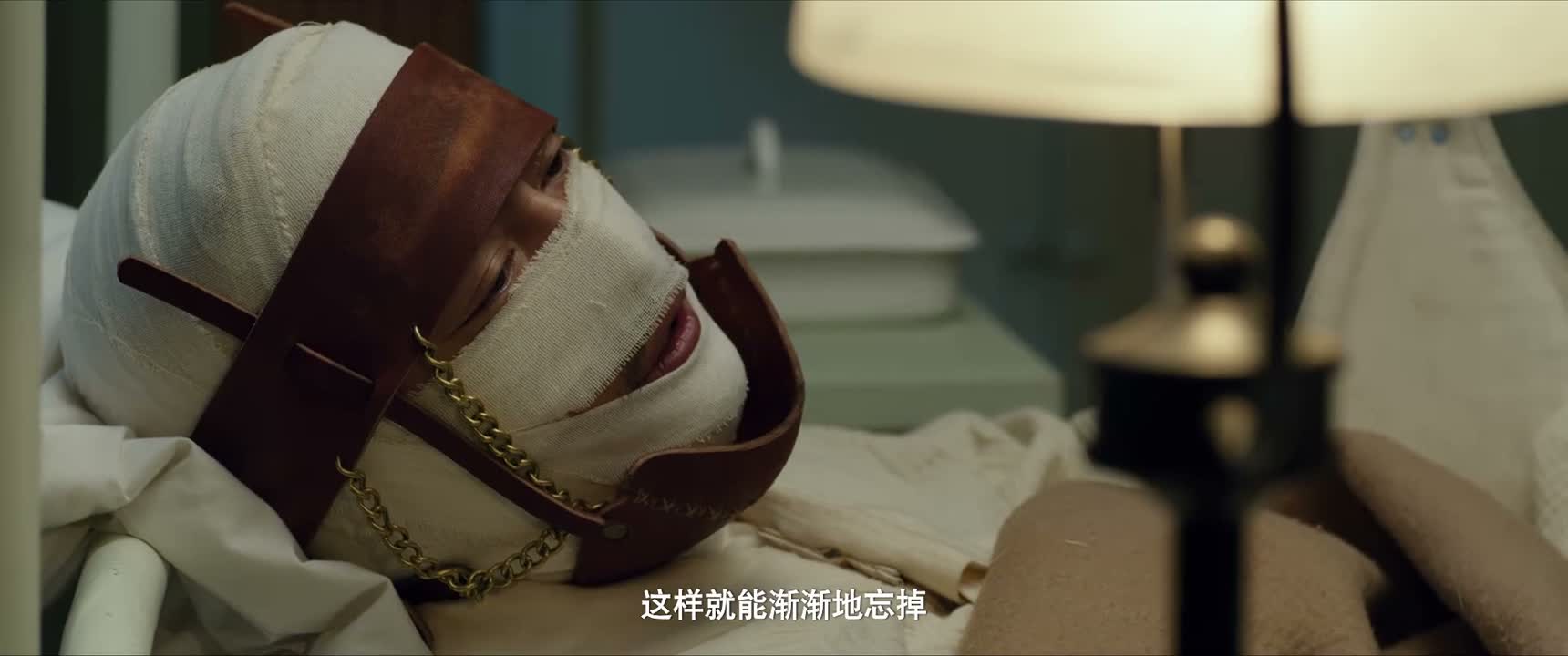
“This way, we can gradually forget”

“How can I study like this?”
“remembers.”

“I wouldn't remember anyway.”

“Why don't I remember any of it?”