如果自己主动走的话
“If I left on my own,”
THE DIALOGUE REEL
不走了
“Not leaving.”
如果 自己 主动走 的话
“If I left on my own,”
那不是正中某人下怀
“wouldn't that play right into someone's hands?”
“Leaving voluntarily is exactly what my opponent wants, and I won't give them the satisfaction.”
In competitive Chinese work environments, yielding ground voluntarily is often seen as handing an easy victory to rivals, prompting employees to endure hardship out of sheer spite or strategy.
LEARNING CHUNKS & PARTICLES
to leave voluntarily / to resign on one's own initiative
Commonly used in workplace dynamics to contrast quitting voluntarily versus being pushed out.
if / in the case of
Placed at the end of a conditional clause to frame a hypothetical scenario in casual speech.
VOCABULARY & EXPRESSIONS
Parallel Spoken Cinema Scenes (语义近邻切片)

“this path by myself.”
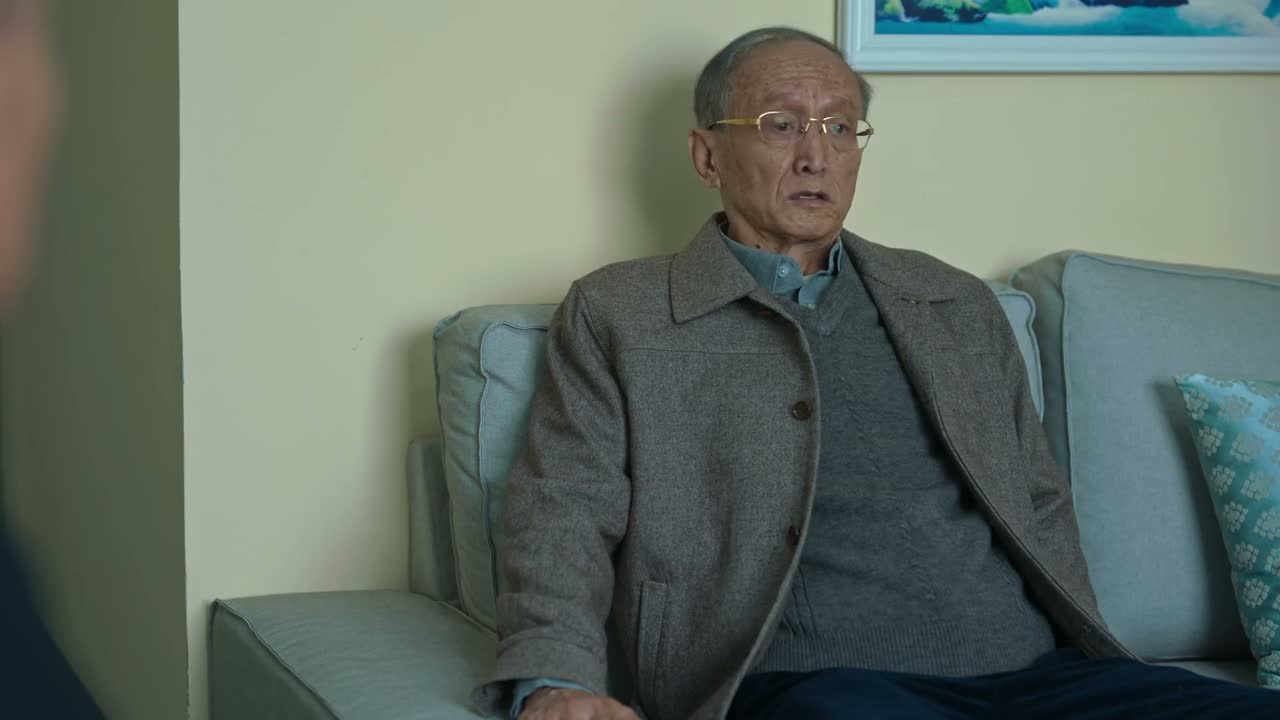
“I'll leave when I want to.”

“once your wish comes true.”
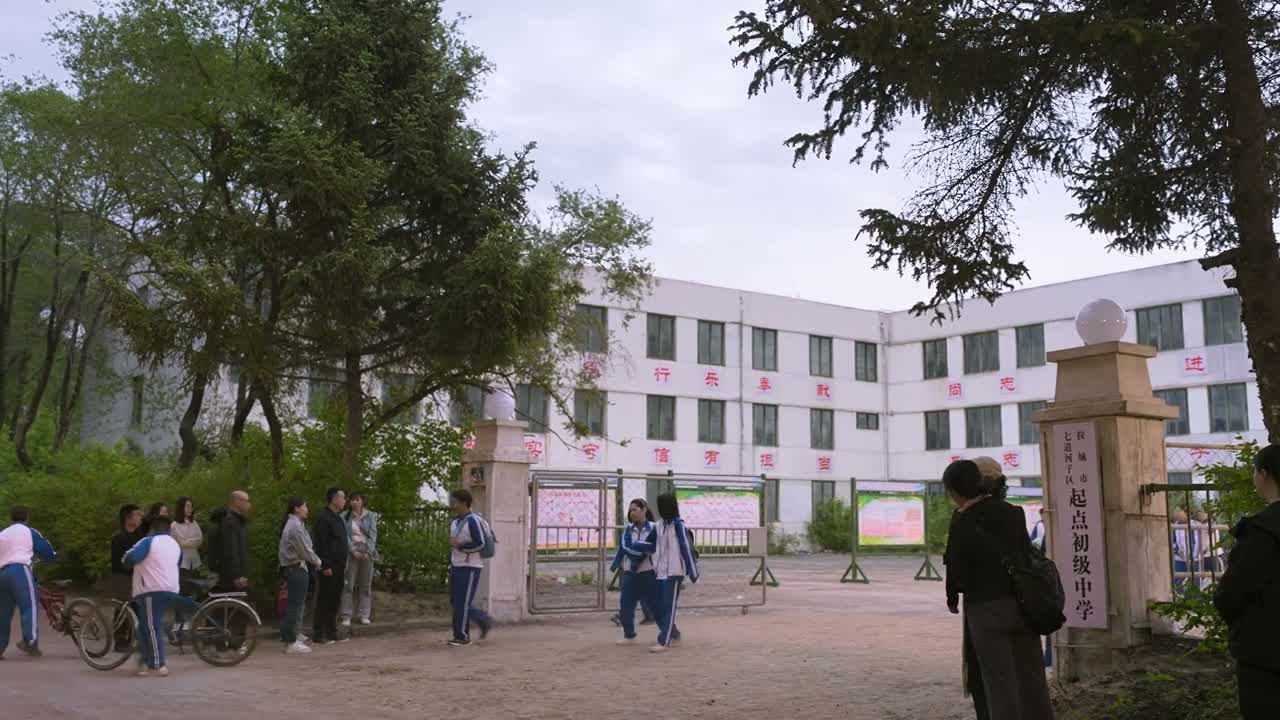
“It's rare for us to walk home once.”

“I've been running forward on my own.”

“Everyone is responsible for the path they choose.”