MC
MandarinClips Cinema Corpus
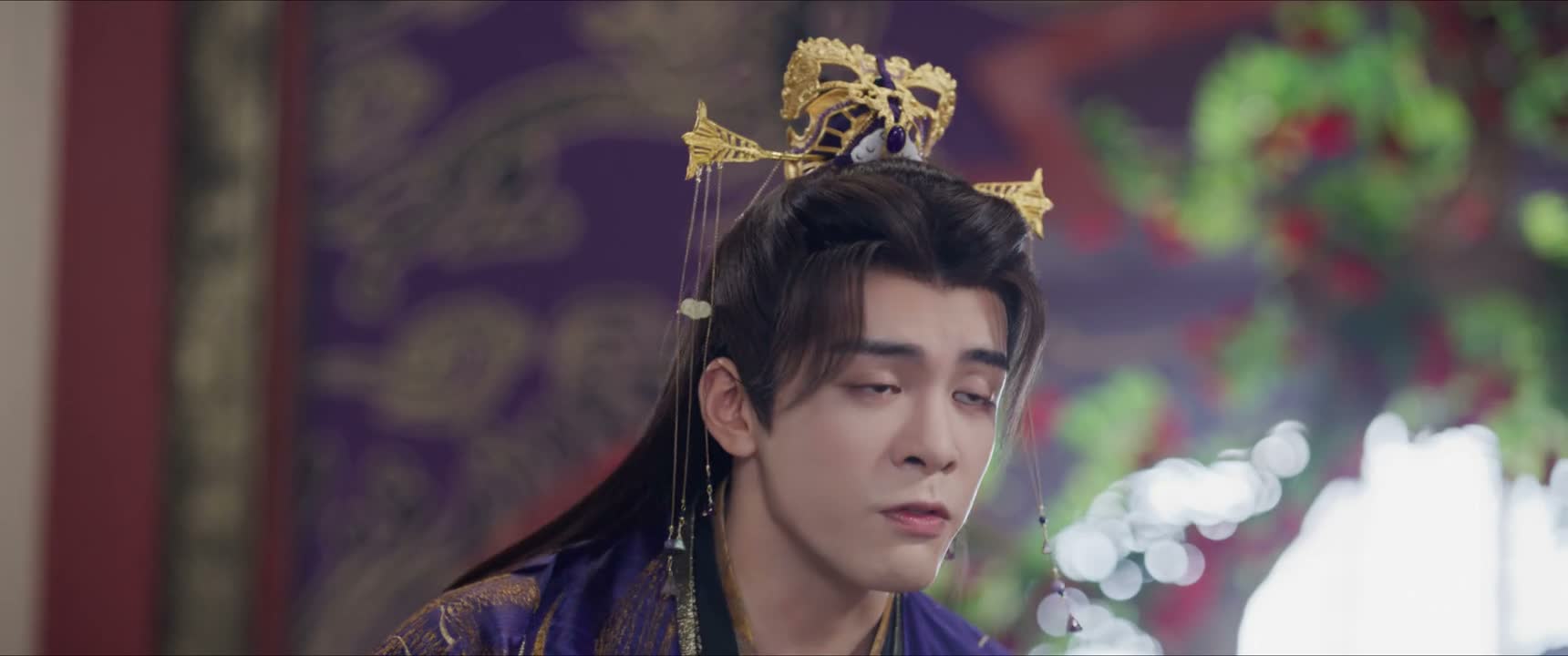
《Go Ahead》 S1·E25 (09:34) HSK 4
bú shì nǐ shì bú shì gù yì gěi wǒ xià tào ne

不是 你是不是故意给我 下套呢

“What? Did you deliberately set a trap for me?”

《Go Ahead》 S1·E25
TIMECODE: 09:34 · 1080P MASTER AUDIO

THE DIALOGUE REEL

1+1+1 SPOKEN CONTINUITY
[-1] PREVIOUS TURN huí dá wán quán zhèng què

回答完全正确

“Your answer is perfectly right.”

bú shì nǐ shì bú shì gù yì gěi wǒ xià tào ne CURRENT FOCUS

不是 你 是不是 故意 给我 下套 呢

“What? Did you deliberately set a trap for me?”

[+1] FOLLOW-UP TURN nǎo zi lǐ xiǎng xiē shén me ne lēi sǐ wǒ la lēi shén me lēi duì le

脑子里想些什么呢 勒死我啦 勒什么勒 对了

“What is on your mind? You are strangling me. No. By the way,”

Subtitles synced to millisecond timecode Browse Show Clips →
Scene: Social & Dating
Function: TEASING ACCUSATION
Tone: TEASING
Emotion: AMUSEMENT
WHAT THEY REALLY MEAN (PRAGMATIC SUBTEXT)
“You totally tricked me on purpose, didn't you?”
💡 Cultural Insight: Playful Banter (打情骂俏)

In close Chinese relationships, feigning victimhood or accusing the other of trickery is a standard way to build intimacy and flirtatious tension.

INTENT TAGS: #playful_accusation #teasing #calling_out #banter
🧩

LEARNING CHUNKS & PARTICLES

2 CHUNKS · 1 PARTICLES
下套 SPOKEN CHUNK

to set a trap; to frame someone

A common colloquial expression used when someone tricks or maneuvers another person into an awkward spot.

不是 SPOKEN CHUNK

wait; hold on a second

Frequently placed at the beginning of a spoken sentence to express mild protest, surprise, or pivot before making a point.

Modal Particle「呢」 (ne) CHANGE OF STATE

Adds a lingering, inquiring, and slightly playful rhetorical edge to the question.
🏮

VOCABULARY & EXPRESSIONS

5 EXPR · 0 GRAMMAR
CROSS-CINEMA CORPUS BOARD · PARALLEL SCENES

Parallel Spoken Cinema Scenes (语义近邻切片)

EXPLORE BY SEMANTIC SIMILARITY
《Go Ahead》 S1·E25 (09:34) · Authentic Cinema Dialogue Corpus