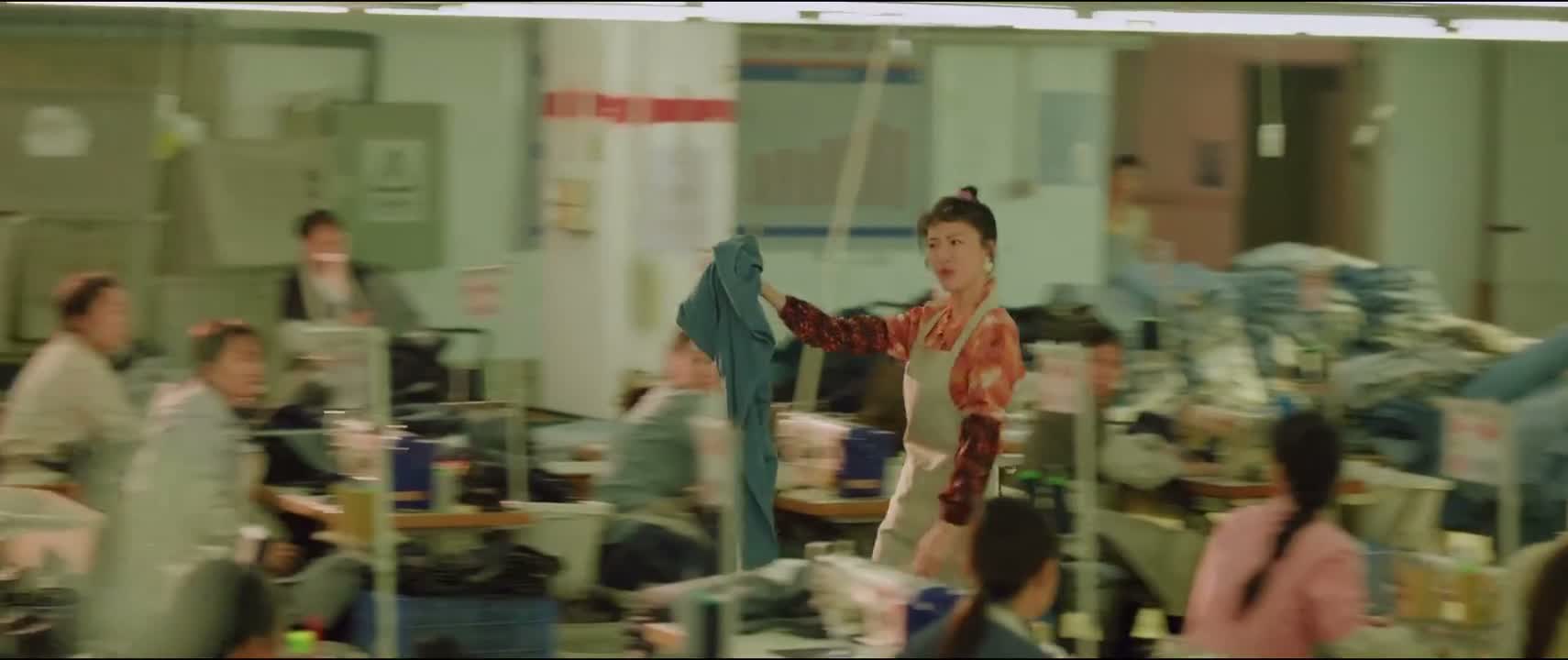
你是不是故意整我的
“Are you messing with me on purpose?”
THE DIALOGUE REEL
就再没出现过了
“in the Nine Cities again.”
你 是不是 故意整我 的
“Are you messing with me on purpose?”
不要冤枉我 我平生最讨厌被人冤枉
“Don't wrong me. I hate being wronged the most in my life.”
“You are messing with me on purpose, and I want an explanation right now.”
In northern and spoken Mandarin, '整' often conveys tormenting, hazing, or sabotaging someone through petty tricks, highlighting deep mutual distrust.
LEARNING CHUNKS & PARTICLES
is it or not; are you or aren't you
A rhetorical tag question structure used here to present a strong presumption rather than an open question.
deliberately messing with me; targeting me on purpose
The verb '整' is highly colloquial for pranking, punishing, or giving someone a hard time maliciously.
Used at the end of the '是...的' construction to emphasize the speaker's focus on intent and causality.
VOCABULARY & EXPRESSIONS
Parallel Spoken Cinema Scenes (语义近邻切片)

“You're messing with me, aren't you?”

“What? Did you deliberately set a trap for me?”

“You deliberately made things difficult for me, didn't you?”

“You're doing this on purpose to make me look bad.”

“Are you here to insult me?”
“Are you provoking me on purpose?”