MC
MandarinClips Cinema Corpus
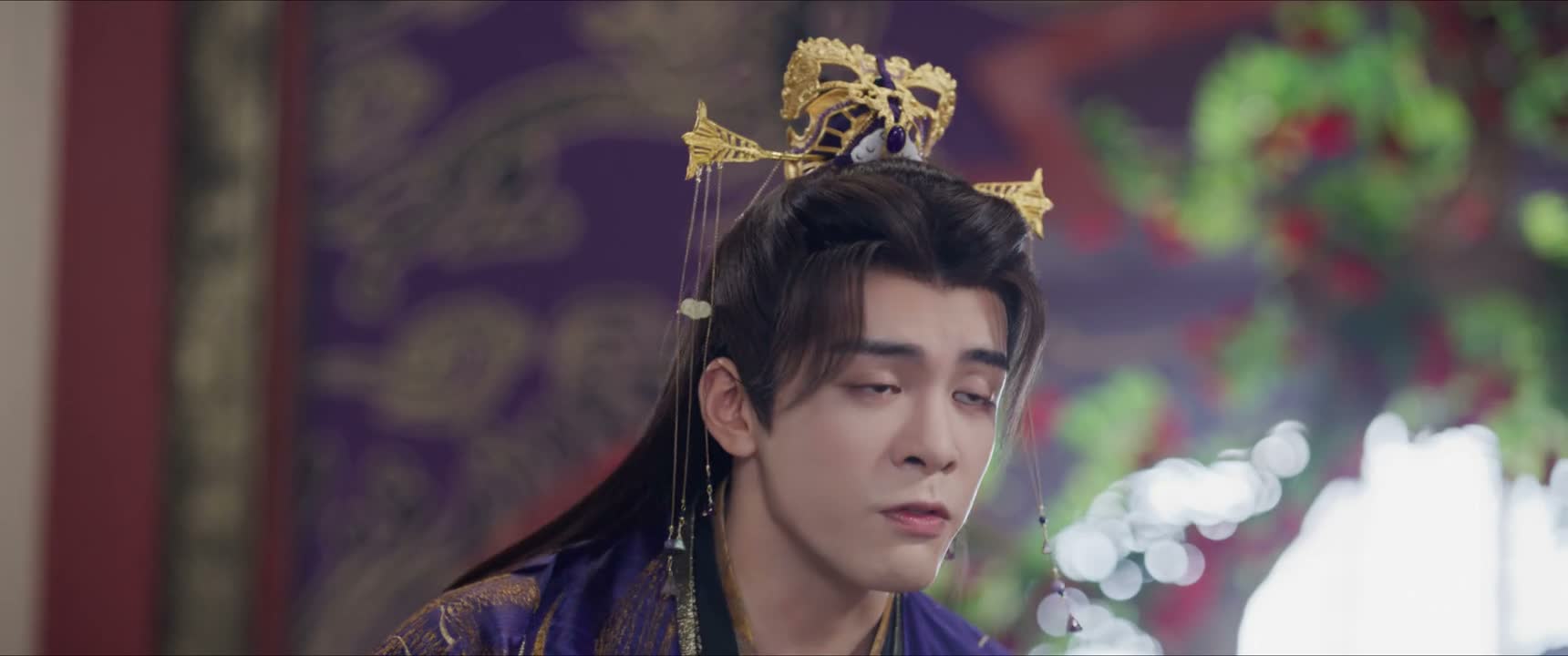
《About Love》 S1·E20 (10:27) HSK 7
nǐ shì lái sǔn wǒ de shì ma

你是来损我的是吗

“Are you here to insult me?”

《About Love》 S1·E20
TIMECODE: 10:27 · 1080P MASTER AUDIO

THE DIALOGUE REEL

1+1+1 SPOKEN CONTINUITY
[-1] PREVIOUS TURN tā yī bèi zi dōu bú huì kàn dào jié guǒ

她一辈子都不会看到结果

“she'd never have gotten a happy ending.”

nǐ shì lái sǔn wǒ de shì ma CURRENT FOCUS

你是 来 损我的是吗

“Are you here to insult me?”

[+1] FOLLOW-UP TURN nǐ gěi wǒ shuō tā men yào jié hūn le

你给我说他们要结婚了

“You told me they're getting married.”

Subtitles synced to millisecond timecode Browse Show Clips →
Scene: Crisis & Conflict
Function: CONFRONTING
Tone: ACCUSATORY
Emotion: ANGER
WHAT THEY REALLY MEAN (PRAGMATIC SUBTEXT)
“Why are you deliberately rubbing salt in my wound right now?”
💡 Cultural Insight: Banter vs Malice (损)

While '损' can refer to playful roasting among close friends, in emotionally charged moments it crosses into perceived intentional cruelty.

INTENT TAGS: #confrontation #accusation #defensiveness #venting
🧩

LEARNING CHUNKS & PARTICLES

2 CHUNKS · 2 PARTICLES
损我 SPOKEN CHUNK

to mock me / to belittle me / to diss me

Colloquial verb '损' used in spoken Mandarin to describe sarcastic roasting or damaging someone's self-esteem.

是吗 SPOKEN CHUNK

is that so? / right?

Attached to tag questions to force an immediate response or confront someone.

Modal Particle「的」 (de) CHANGE OF STATE

Part of the cleft construction '是...的' emphasizing the purpose of the action.

Modal Particle「吗」 (ma) CHANGE OF STATE

Turns the statement into a direct rhetorical query demanding confirmation.

🏮

VOCABULARY & EXPRESSIONS

2 EXPR · 2 GRAMMAR
CROSS-CINEMA CORPUS BOARD · PARALLEL SCENES

Parallel Spoken Cinema Scenes (语义近邻切片)

EXPLORE BY SEMANTIC SIMILARITY
《About Love》 S1·E20 (10:27) · Authentic Cinema Dialogue Corpus