把咱们当傻子吗 怎么到最后 我们都成了坏人
“Do you take us for fools? How did we become the bad guys,”
THE DIALOGUE REEL
那我们是什么
“Then what are we?”
把 咱们 当傻子 吗 怎么 到最后 我们都 成了坏人
“Do you take us for fools? How did we become the bad guys,”
你成了好人了
“while you are the good one?”
“Stop playing the hero while making us look like the villain—we see right through your game.”
In collective Chinese disputes, becoming labeled as the 'bad person' (坏人) while someone else claims the moral high ground (好人) is perceived as an acute insult to integrity and social standing.
LEARNING CHUNKS & PARTICLES
take for a fool / treat like an idiot
Commonly used in rhetorical questions like '把...当傻子' to vehemently reject being manipulated.
in the end / when all is said and done
Used to summarize an ironic, disappointing, or unexpected final outcome.
Forms a sharp rhetorical question challenging the opponent's assumption about the speaker's gullibility.
VOCABULARY & EXPRESSIONS
Parallel Spoken Cinema Scenes (语义近邻切片)

“Are you that stupid, or do you think we are?”

“Is this idiot out of his mind? How dare he threaten us!”

“Do you take us for fools? Han.”

“Do you think we are fools?”

“We're not some old fools.”
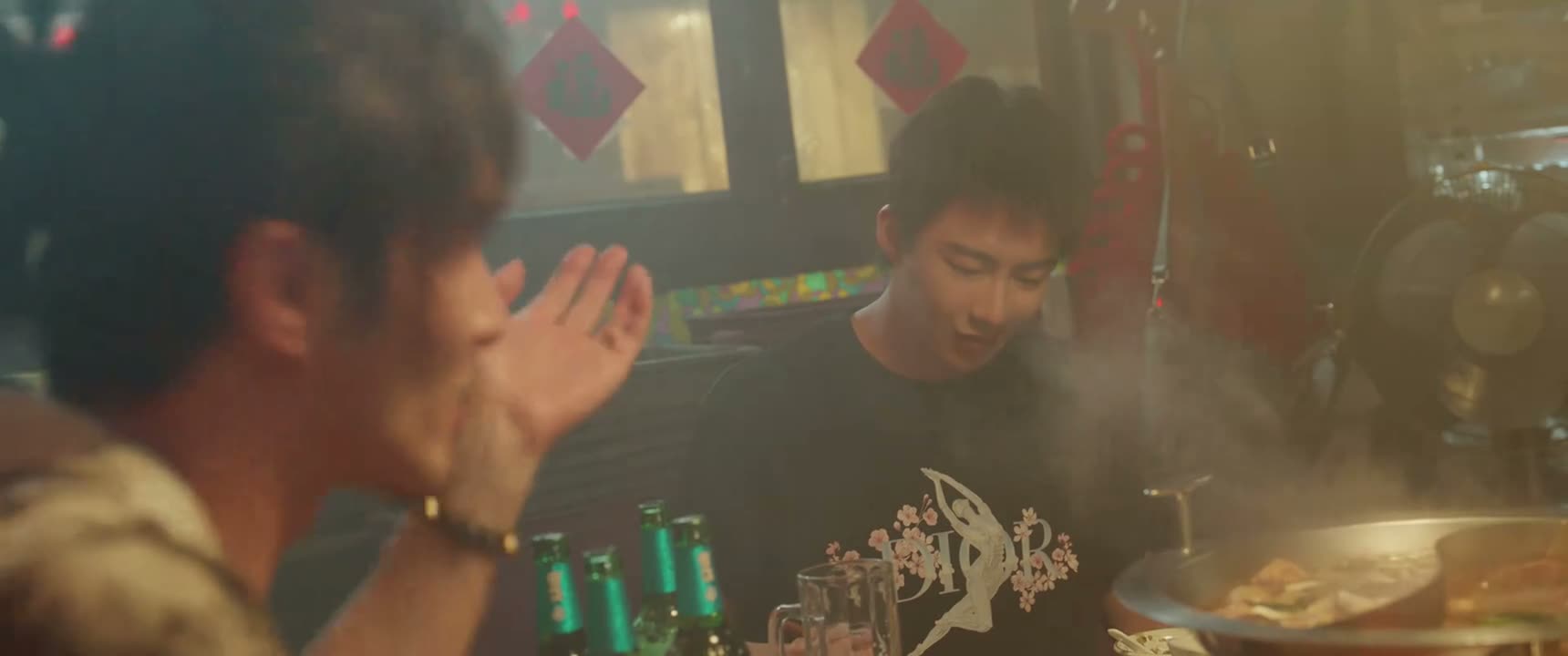
“"Finally another fool's falling in."”
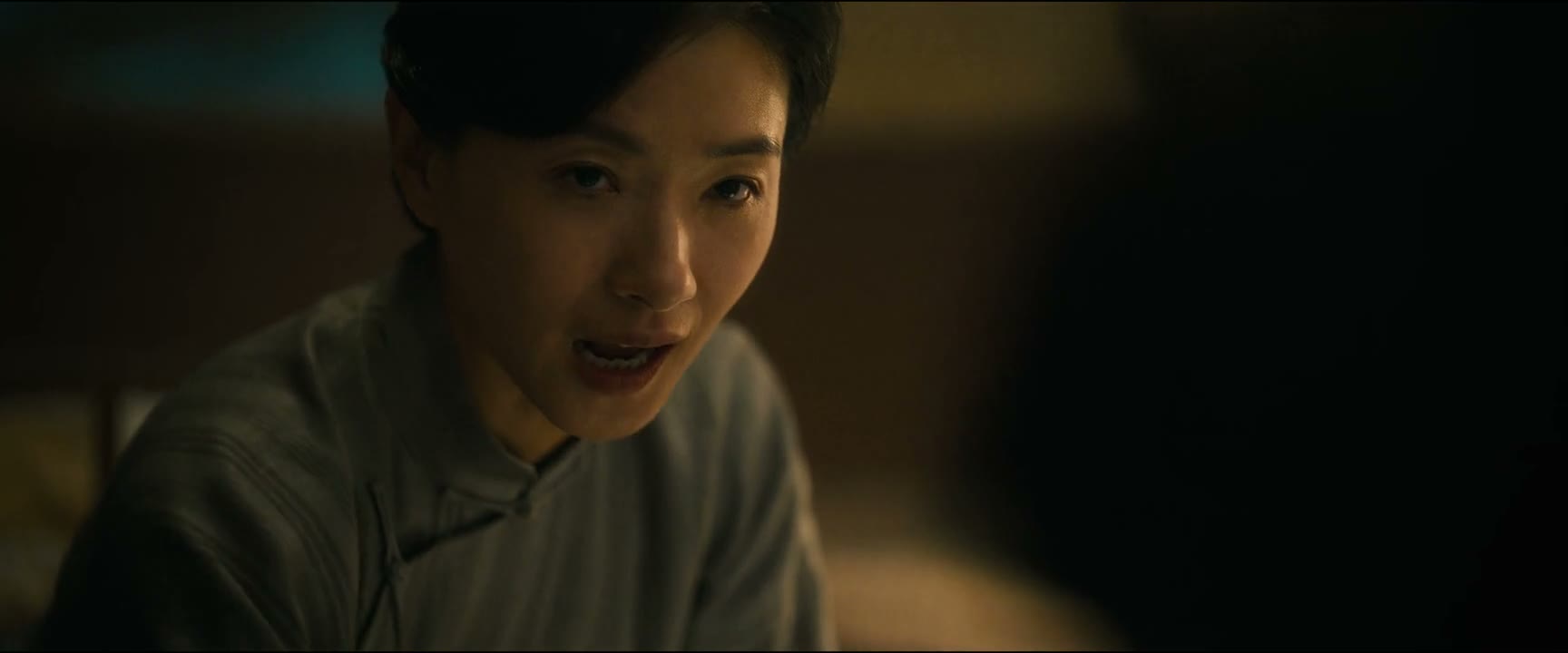
“Because you're foolish. Why else?”

“Is there anyone in our family dumber than us?”

“What? Do you take me for a fool? You think I'll just do whatever you say?”