钱没有了 医药费不够 这个你得拿 这个你得拿着
“I have no money left. There isn’t enough for medical expenses. You have to take... You have to take this.”
THE DIALOGUE REEL
“Ms. Kang. Thank you. Here. Take this.”
钱没有了 医药费 不够 这个 你得拿 这个 你得拿 着
“I have no money left. There isn’t enough for medical expenses. You have to take... You have to take this.”
谢谢您啊 好的
“Thank you. Okay.”
Direct spoken expression in this communicative setting.
In Chinese culture, when offering money or aid to someone in distress, the giver often insists repeatedly ('你得拿着') to overcome the recipient's polite reluctance.
LEARNING CHUNKS & PARTICLES
medical expenses / hospital bill
A common noun used when discussing the costs of treatment or medicine.
must take / must accept (it)
Used when pressing someone to accept money, a gift, or help despite potential reluctance.
Marks a change of state, indicating the money has run out.
VOCABULARY & EXPRESSIONS
Parallel Spoken Cinema Scenes (语义近邻切片)

“Do you have money on you? No. What should we do?”

“(3rd Floor Corridor) I don't have any money!”

“I have no money. No money?”

“It's not like I won't pay you for the medicine. No need.”
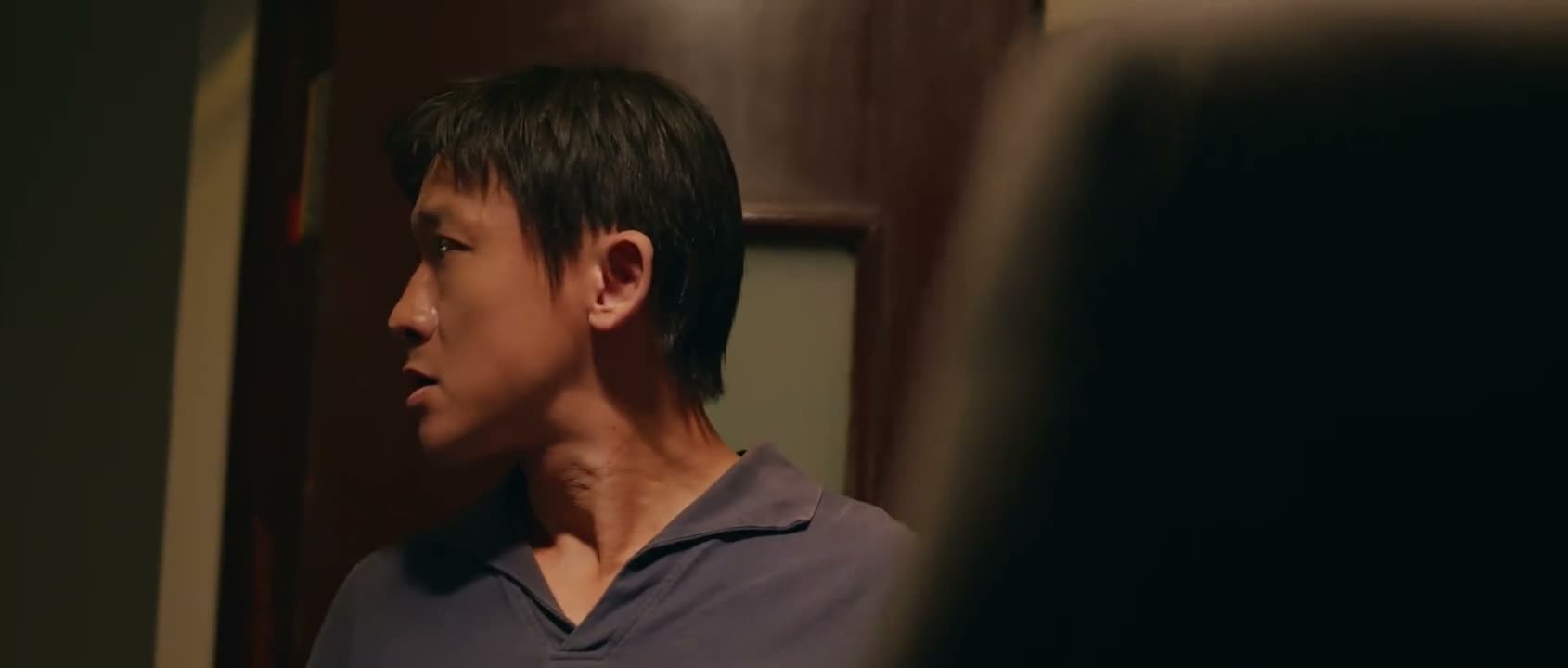
“I really don't have the money right now.”

“We are out of medicine now. We're out of medicine.”