MC
MandarinClips Cinema Corpus
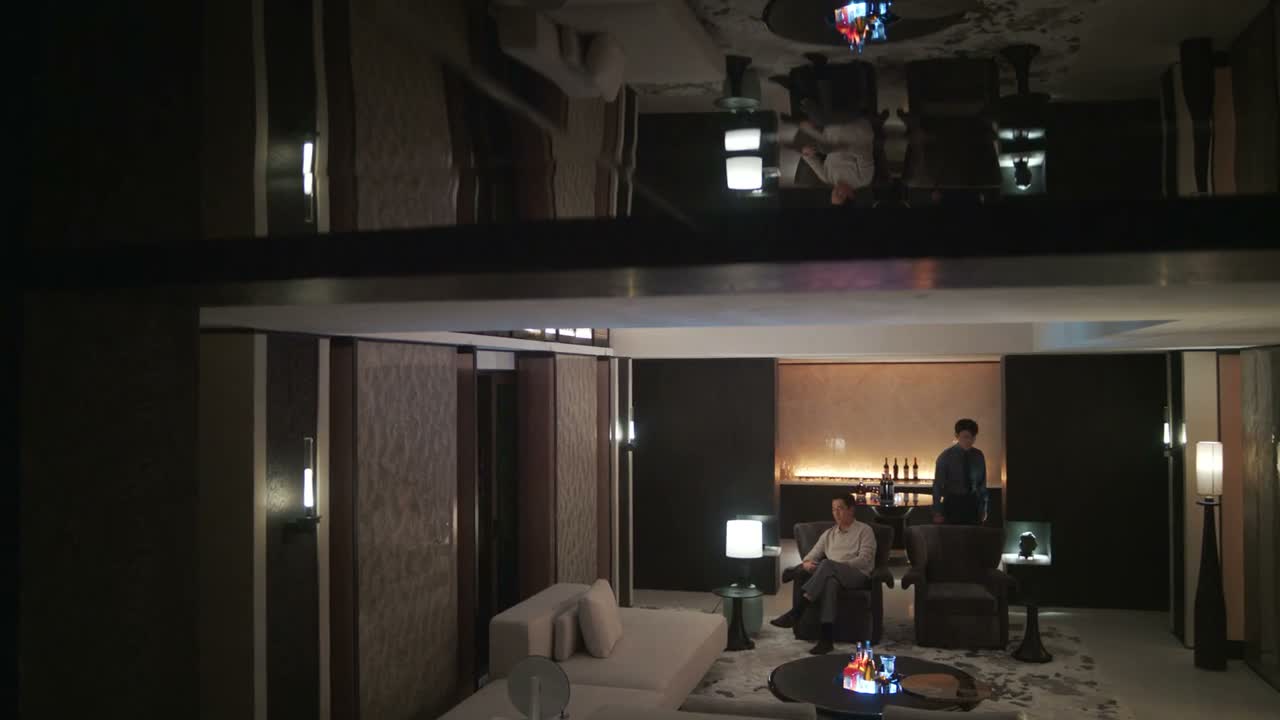
《Our Dazzling Days》 S1·E23 (11:10) HSK 2
nǐ huí lái le nǐ zǎ bù zhī shēng ne

你回来了 你咋不吱声呢

“You're back. Why didn't you say anything?”

《Our Dazzling Days》 S1·E23
TIMECODE: 11:10 · 1080P MASTER AUDIO

THE DIALOGUE REEL

1+1+1 SPOKEN CONTINUITY
[-1] PREVIOUS TURN guān mén le dǎo bì le

关门了 倒闭了

“It closed down. Went out of business.”

nǐ huí lái le nǐ zǎ bù zhī shēng ne CURRENT FOCUS

你回来了 你咋不 吱声 呢

“You're back. Why didn't you say anything?”

[+1] FOLLOW-UP TURN zǎ le xiǎo mǎn zhàn zhí le

咋了 小满 站直了

“What's wrong, Xiaoman? Stand up straight.”

Subtitles synced to millisecond timecode Browse Show Clips →
Scene: Family & Home
Function: SCOLDING MILDLY
Tone: INQUIRING
Emotion: CURIOSITY
WHAT THEY REALLY MEAN (PRAGMATIC SUBTEXT)
“You are acting strange creeping in like that—what happened?”
💡 Cultural Insight: Familial Arrival Greetings

In Chinese households, entering quietly without announcing one's arrival (not 'making a sound') is unusual and often interpreted as a sign of bad mood, trouble, or secrecy.

INTENT TAGS: #greeting #probing #curiosity #mild_rebuke
🧩

LEARNING CHUNKS & PARTICLES

2 CHUNKS · 2 PARTICLES
你回来了 SPOKEN CHUNK

you're back

Standard greeting used when someone returns home or returns to the office.

吱声 SPOKEN CHUNK

make a sound / speak up / utter a word

A colloquial northern term commonly used in negative sentences like 'don't say a word' or questions asking why someone is quiet.

Modal Particle「了」 (le) CHANGE OF STATE

Indicates completion of the action of coming back.

Modal Particle「呢」 (ne) CHANGE OF STATE

Softens the interrogative sentence, adding a conversational and mildly puzzled flavor.
🏮

VOCABULARY & EXPRESSIONS

3 EXPR · 5 GRAMMAR
CROSS-CINEMA CORPUS BOARD · PARALLEL SCENES

Parallel Spoken Cinema Scenes (语义近邻切片)

EXPLORE BY SEMANTIC SIMILARITY
《Our Dazzling Days》 S1·E23 (11:10) · Authentic Cinema Dialogue Corpus