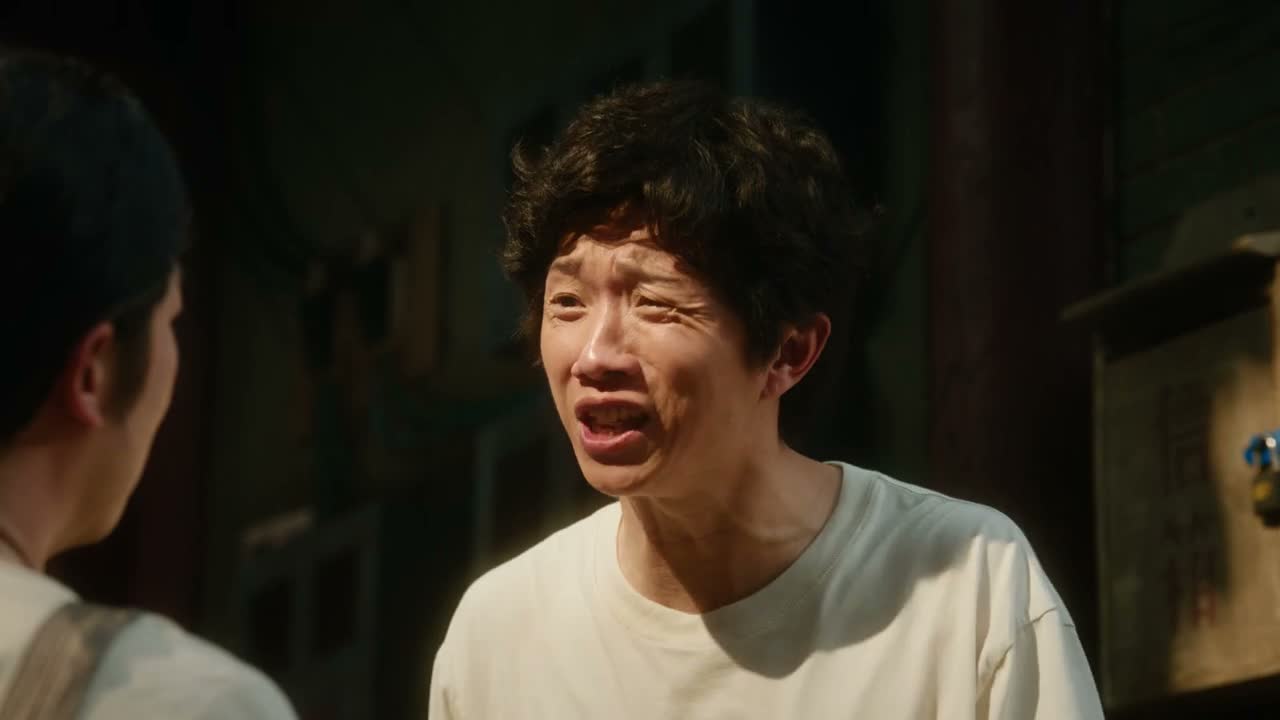
《Our Dazzling Days》 S1·E23 (37:50)
HSK 6
rén shá yàng nǐ xīn lǐ néng méi shù ma
人啥样你心里能没数吗
“don't you?”
《Our Dazzling Days》
S1·E23
TIMECODE: 37:50
·
1080P MASTER AUDIO
THE DIALOGUE REEL
[-1] PREVIOUS TURN
zài zhè ér fàng zhe
在这儿放着
“You know what kind of person I am,”
rén shá yàng nǐ xīn lǐ néng méi shù ma
CURRENT FOCUS
人啥样你 心里 能 没数 吗
“don't you?”
[+1] FOLLOW-UP TURN
yě xǔ zhēn yǒu bié rén gàn de
也许真有别人干的
“Maybe someone else really did it?”
Subtitles synced to millisecond timecode
Browse Show Clips →
Scene:
Crisis & Conflict
Function:
RHETORICAL QUESTIONING
Tone:
ACCUSATORY
Emotion:
FRUSTRATION
WHAT THEY REALLY MEAN (PRAGMATIC SUBTEXT)
“You know full well what a shady person they are, so stop playing dumb.”
💡 Cultural Insight: Xin Li You Shu (Tacit Awareness)
In high-context Chinese communication, people often maintain unspoken awareness about individuals' reputations, and openly pretending not to know can be viewed as disingenuous.
INTENT TAGS:
#confrontation
#challenging
#rhetorical_question
#disbelief
🧩
2 CHUNKS · 1 PARTICLES
LEARNING CHUNKS & PARTICLES
心里有数
SPOKEN CHUNK
to know well in one's mind; to be fully aware
A very common idiom used when someone understands the reality of a situation or character internally.
能没数吗
SPOKEN CHUNK
how could you not know?; you obviously know
A rhetorical negative question used to challenge someone who pretends not to know the truth.
Modal Particle「吗」 (ma)
CHANGE OF STATE
Turns the statement into a sharp rhetorical question expecting agreement.
🏮
1 EXPR · 2 GRAMMAR
VOCABULARY & EXPRESSIONS
CROSS-CINEMA CORPUS BOARD · PARALLEL SCENES
EXPLORE BY SEMANTIC SIMILARITY
Parallel Spoken Cinema Scenes (语义近邻切片)

《Our Dazzling Days》 S1·E23 (37:50) · Authentic Cinema Dialogue Corpus