不能再多了 剩下的五毛我要吃午饭的
“I can't go higher. I still need to buy lunch.”
THE DIALOGUE REEL
一块五
“1.50 yuan.”
不能再多了 剩下的五毛 我要吃午饭的
“I can't go higher. I still need to buy lunch.”
成交
“Deal.”
“Take it or leave it; that is literally every spare cent I have.”
In Chinese street bargaining, buyers often plead personal financial constraints or daily survival needs (like needing lunch money) as a soft tactic to reach a favorable compromise.
LEARNING CHUNKS & PARTICLES
cannot be any more / that is the absolute limit
A classic bargaining phrase used to signal your ceiling price during negotiations.
the remaining / what's left
Refers to leftover money, time, or items after an initial deduction.
Emphasizes the definite purpose and non-negotiable nature of the remaining funds.
VOCABULARY & EXPRESSIONS
Parallel Spoken Cinema Scenes (语义近邻切片)
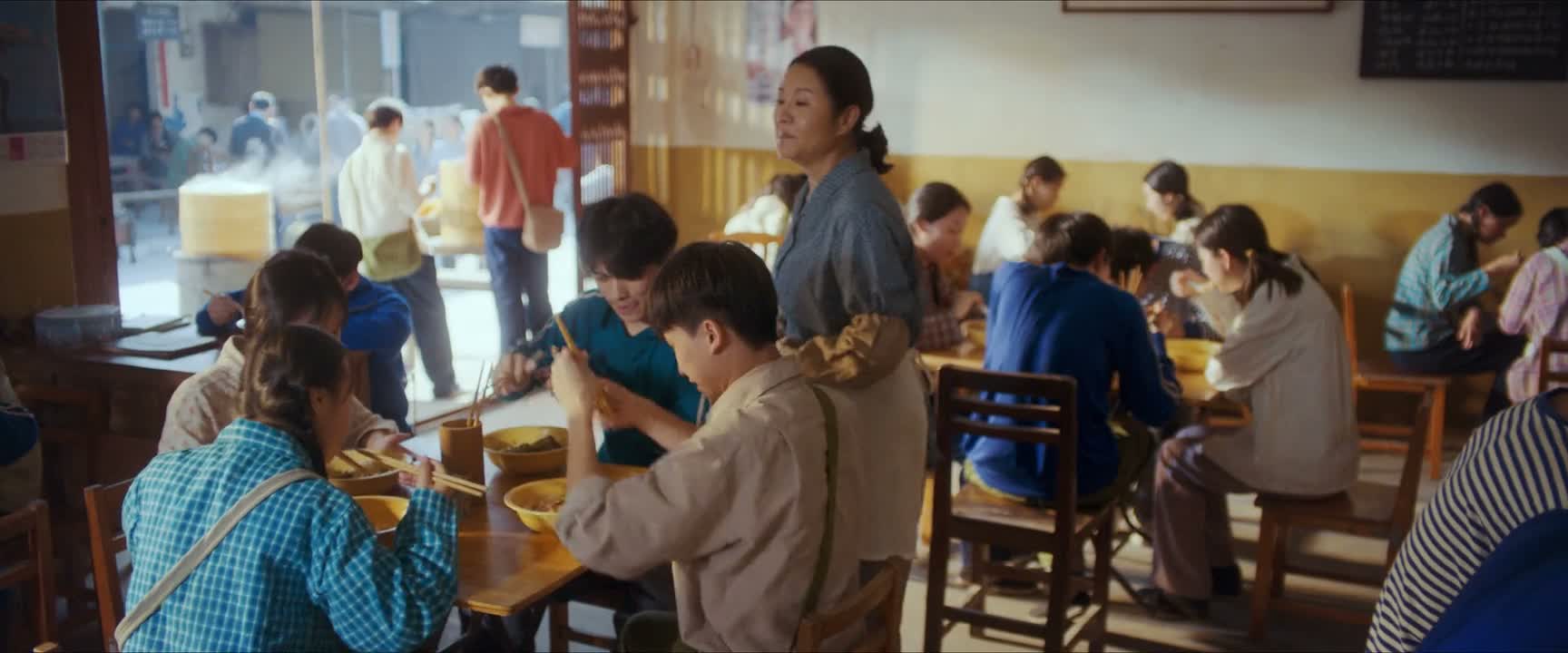
“Free refills on rice if it's not enough!”

“One fifty. That's my final offer.”
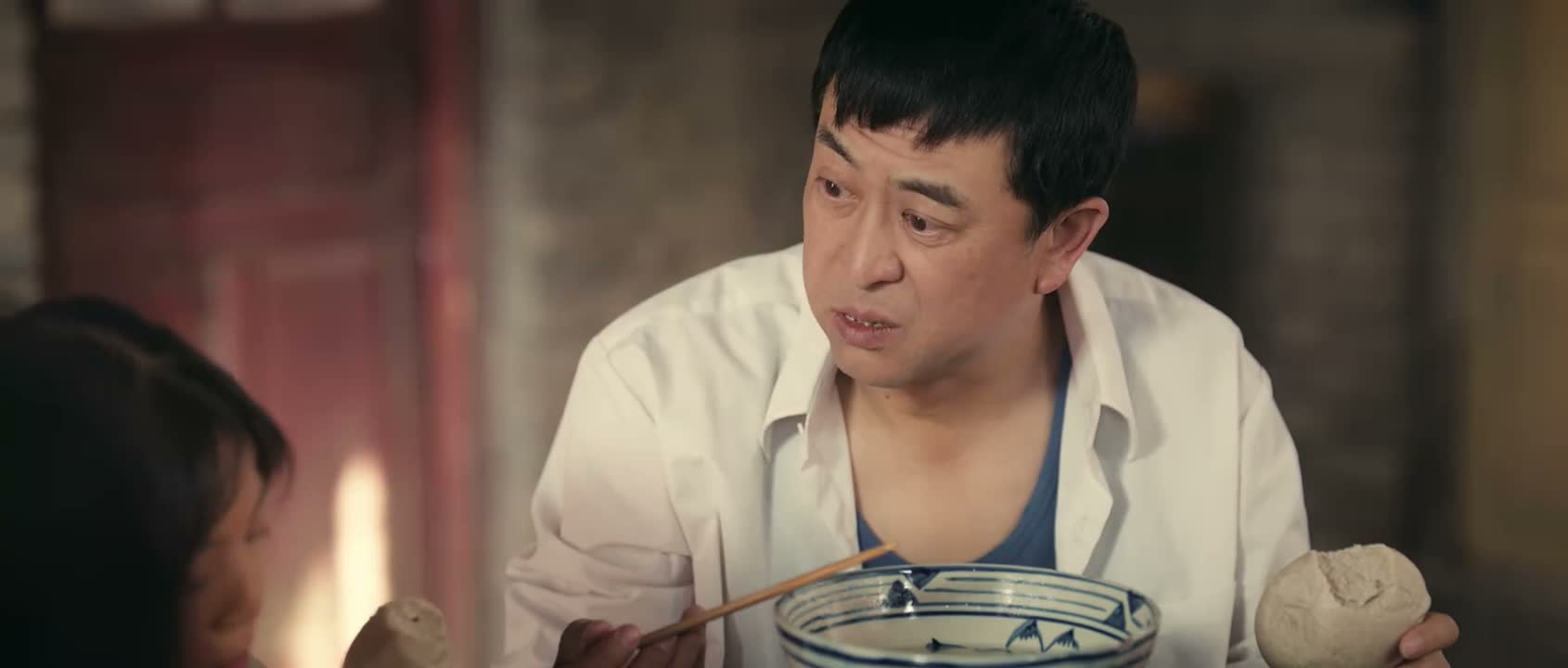
“How many has she had? Five.”
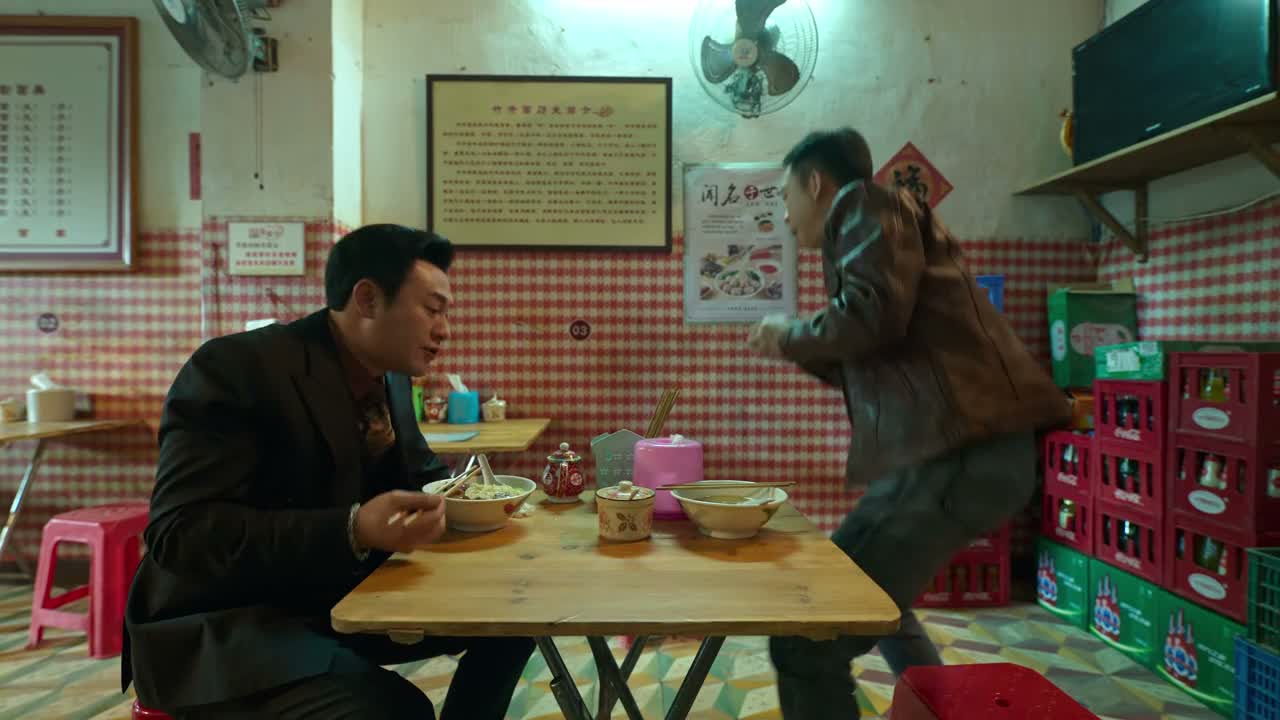
“Have one more bowl. Are you done?”

“I'm not very hungry. You had leftovers from breakfast?”
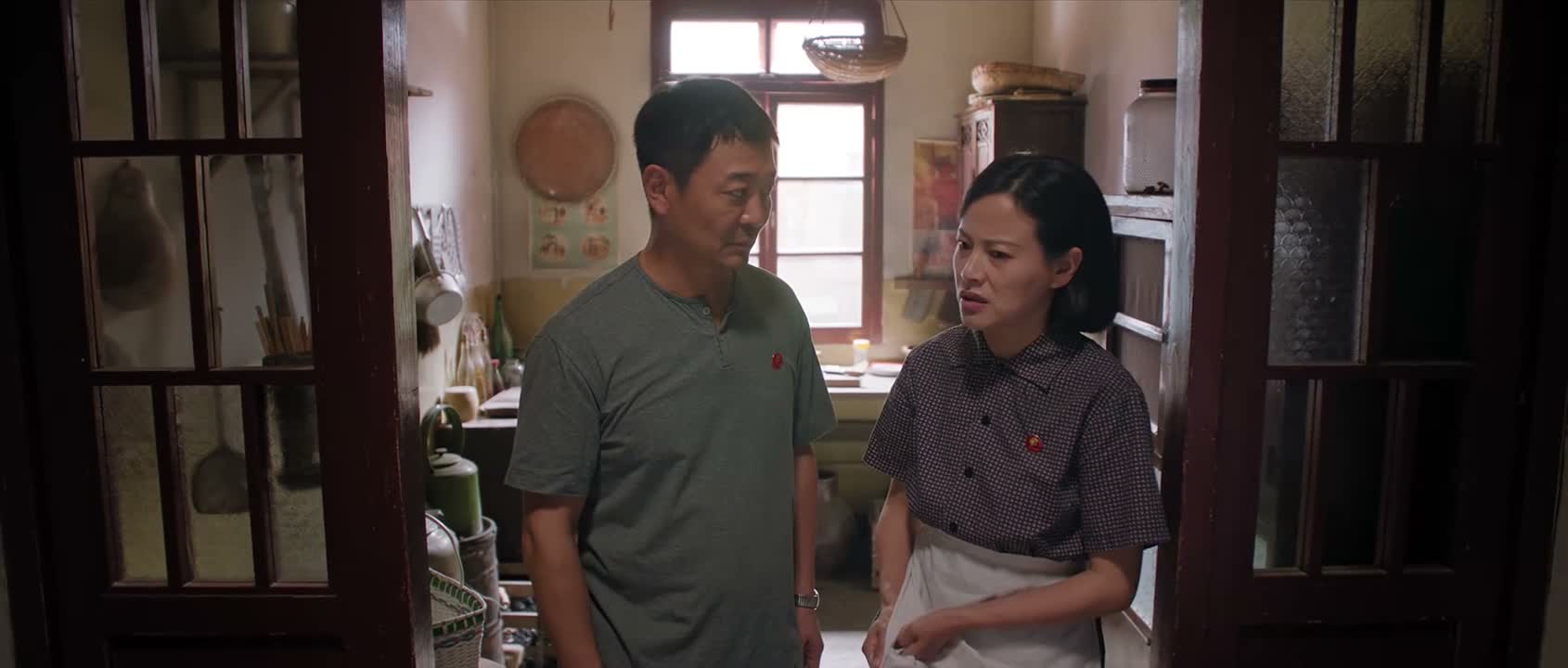
“I'm sure they have some leftovers. Go and borrow some from them.”