MC
MandarinClips Cinema Corpus
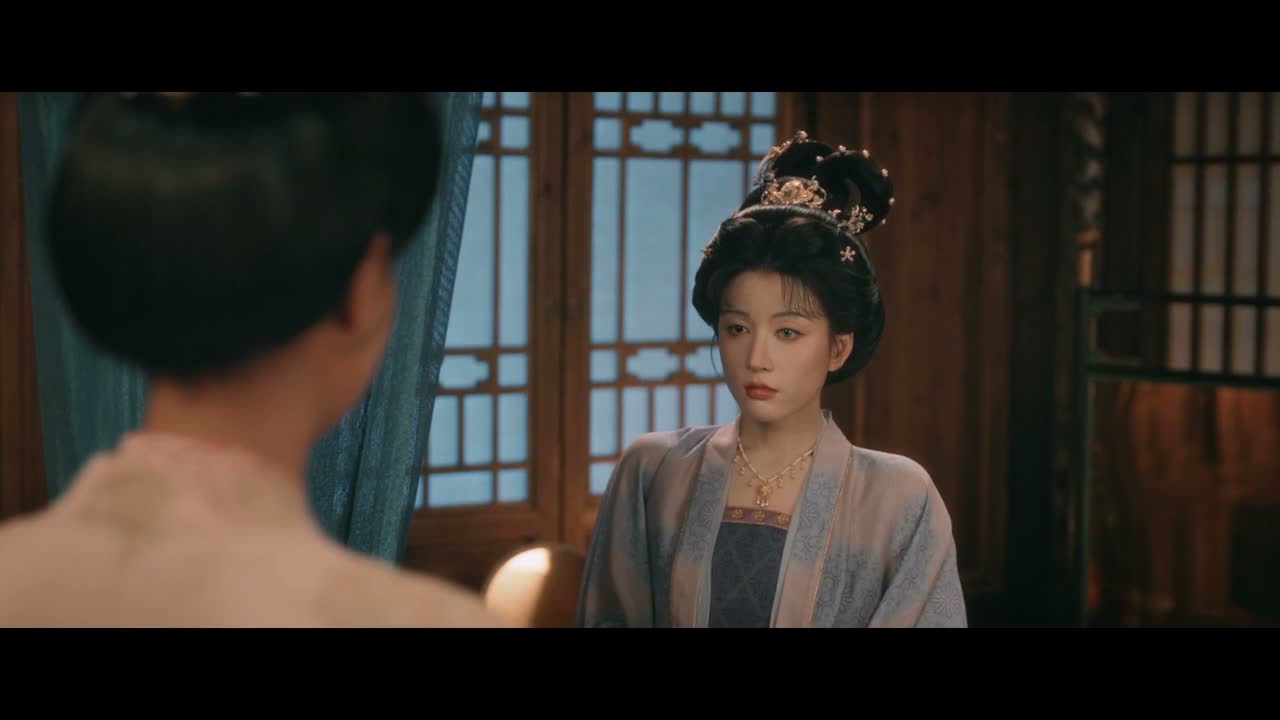
《Love Story in the 1970s》 S1·E1 (05:57) HSK 4
wǒ hái méi huà guò huà xiàng ne yào bù zán liǎ huà yí gè

我还没画过画像呢 要不咱俩画一个

“I've never had a portrait. Why don't we let him sketch us?”

《Love Story in the 1970s》 S1·E1
TIMECODE: 05:57 · 1080P MASTER AUDIO

THE DIALOGUE REEL

1+1+1 SPOKEN CONTINUITY
[-1] PREVIOUS TURN ài hào

爱好

“Just a hobby.”

wǒ hái méi huà guò huà xiàng ne yào bù zán liǎ huà yí gè CURRENT FOCUS

我 还没 画过画像 呢 要不咱 俩画一个

“I've never had a portrait. Why don't we let him sketch us?”

[+1] FOLLOW-UP TURN xíng tóng zhì nǐ kě yào hǎo hǎo huà

“Sure. Comrade, draw nicely.”

Subtitles synced to millisecond timecode Browse Show Clips →
Scene: Social & Dating
Function: PROPOSING IDEA
Tone: PLAYFUL
Emotion: INTEREST
WHAT THEY REALLY MEAN (PRAGMATIC SUBTEXT)

Direct spoken expression in this communicative setting.

💡 Cultural Insight: Inclusive 'Zanlia' and Bonding

Choosing the inclusive pronoun '咱俩' over the standard '我们' instantly reduces interpersonal distance, indicating an invitation to share an intimate or joint experience.

INTENT TAGS: #suggestion #invitation #bonding #flirting
🧩

LEARNING CHUNKS & PARTICLES

2 CHUNKS · 1 PARTICLES
要不 SPOKEN CHUNK

how about / why not

A very useful colloquial conjunction used to pitch a spontaneous suggestion or alternative.

咱俩 SPOKEN CHUNK

the two of us

A warm, inclusive northern spoken term that builds an immediate sense of closeness between speaker and listener.

Modal Particle「呢」 (ne) CHANGE OF STATE

Marks a continuing state or softens a statement of personal circumstance.
🏮

VOCABULARY & EXPRESSIONS

2 EXPR · 1 GRAMMAR
GRAMMAR BLUEPRINTS:
CROSS-CINEMA CORPUS BOARD · PARALLEL SCENES

Parallel Spoken Cinema Scenes (语义近邻切片)

EXPLORE BY SEMANTIC SIMILARITY
《Love Story in the 1970s》 S1·E1 (05:57) · Authentic Cinema Dialogue Corpus