MC
MandarinClips Cinema Corpus
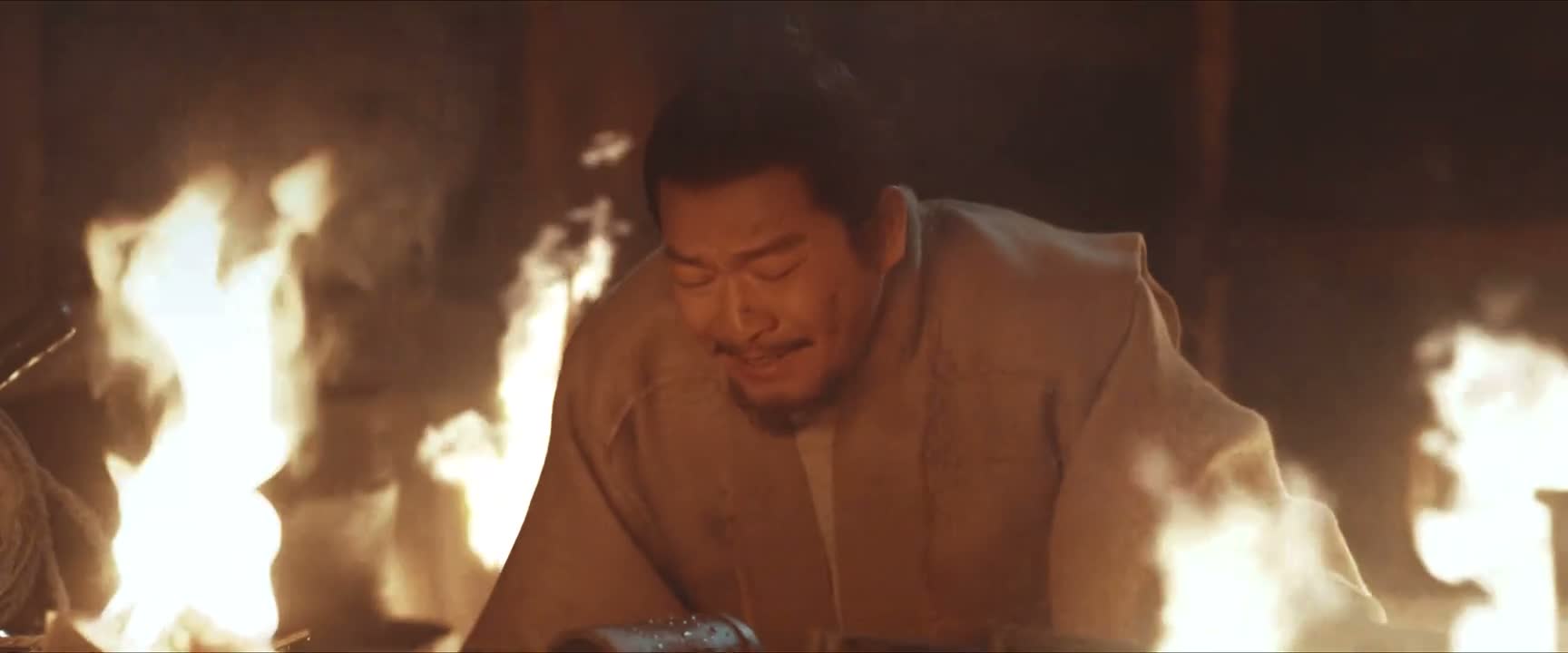
《Love Story in the 1970s》 S1·E1 (35:09) HSK 5
zǎ bú shì sòng yī yuàn le ma méi jiù guò lái

咋 不是送医院了吗 没救过来

“I thought he's in hospital? He didn't make it?”

《Love Story in the 1970s》 S1·E1
TIMECODE: 35:09 · 1080P MASTER AUDIO

THE DIALOGUE REEL

1+1+1 SPOKEN CONTINUITY
[-1] PREVIOUS TURN méi xiǎng dào rén jiā zhè xiǎo huǒ zi fèn bù gù shēn yòu chōng jìn qù jiù kě xī le

没想到人家这小伙子奋不顾身 又冲进去救 可惜了

“Then, he went back there to save more lives. What a pity.”

zǎ bú shì sòng yī yuàn le ma méi jiù guò lái CURRENT FOCUS

咋 不是 送医院 了吗 没救过来

“I thought he's in hospital? He didn't make it?”

[+1] FOLLOW-UP TURN wǒ nǎ zhī dào a

我哪知道啊

“How would I know?”

Subtitles synced to millisecond timecode Browse Show Clips →
Scene: Crisis & Conflict
Function: INQUIRING DETAILS
Tone: INCREDULOUS
Emotion: SHOCK
WHAT THEY REALLY MEAN (PRAGMATIC SUBTEXT)

Direct spoken expression in this communicative setting.

💡 Cultural Insight: Selfless Heroism and Tragedy

In Chinese public discourse, risking life for others (见义勇为 / 奋不顾身) is highly honored, making any tragic outcome evoke deep communal sorrow.

INTENT TAGS: #clarification #expressing_shock #seeking_confirmation #grieving
🧩

LEARNING CHUNKS & PARTICLES

2 CHUNKS · 2 PARTICLES
送医院 SPOKEN CHUNK

send to the hospital

Standard colloquial phrasing for rushing an injured or sick person for emergency medical care.

没救过来 SPOKEN CHUNK

failed to survive; resuscitation was unsuccessful

A colloquial resultative verb compound expressing that medical rescue efforts could not save the person's life.

Modal Particle「了」 (le) CHANGE OF STATE

Marks the completion of an action or a change of state in sent to the hospital.

Modal Particle「吗」 (ma) CHANGE OF STATE

Turns the sentence into an inquiry expressing doubt or surprise.

🏮

VOCABULARY & EXPRESSIONS

2 EXPR · 3 GRAMMAR
CROSS-CINEMA CORPUS BOARD · PARALLEL SCENES

Parallel Spoken Cinema Scenes (语义近邻切片)

EXPLORE BY SEMANTIC SIMILARITY
《Love Story in the 1970s》 S1·E1 (35:09) · Authentic Cinema Dialogue Corpus