太夸张了你敢信吗
“Sounds ridiculous, doesn't it?”
THE DIALOGUE REEL
最喜欢酸甜味
“and loves the sweet and sour flavor.”
太夸张 了 你敢信吗
“Sounds ridiculous, doesn't it?”
可以想象
“I can imagine.”
Direct spoken expression in this communicative setting.
Phrases like 'Can you believe it?' are conversational hooks in Chinese meant to foster shared intimacy and mutual emotional validation during casual chats.
LEARNING CHUNKS & PARTICLES
Can you believe it?
A highly colloquial rhetorical phrase used to draw attention to an unbelievable or dramatic fact.
That's way too exaggerated / unbelievable
Used to describe anything that exceeds common sense, expectations, or limits.
Turns the statement into a rhetorical question seeking empathetic agreement.
VOCABULARY & EXPRESSIONS
Parallel Spoken Cinema Scenes (语义近邻切片)

“- [fireworks popping] - [scooter honking] What are they doing?”

“You're being overly exaggerating.”
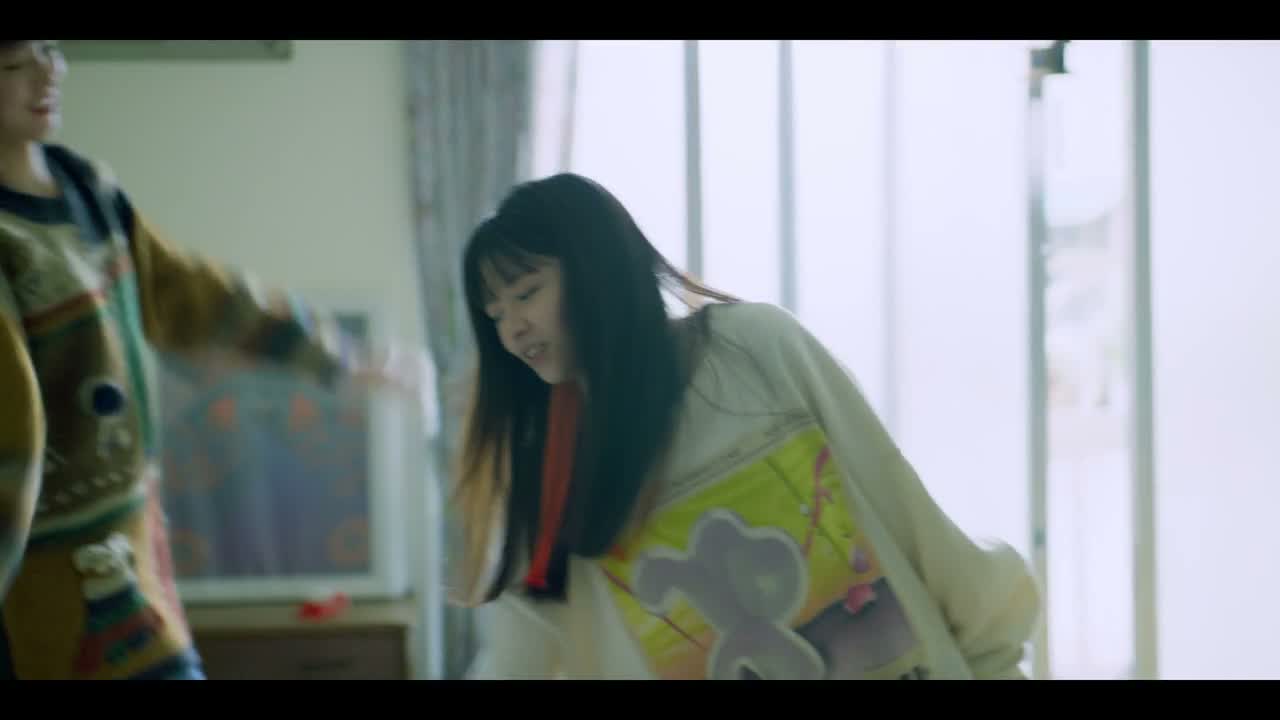
“You're too much.”

“You're exaggerating. You'll see.”

“Don't be so dramatic.”

“It's not that serious.”