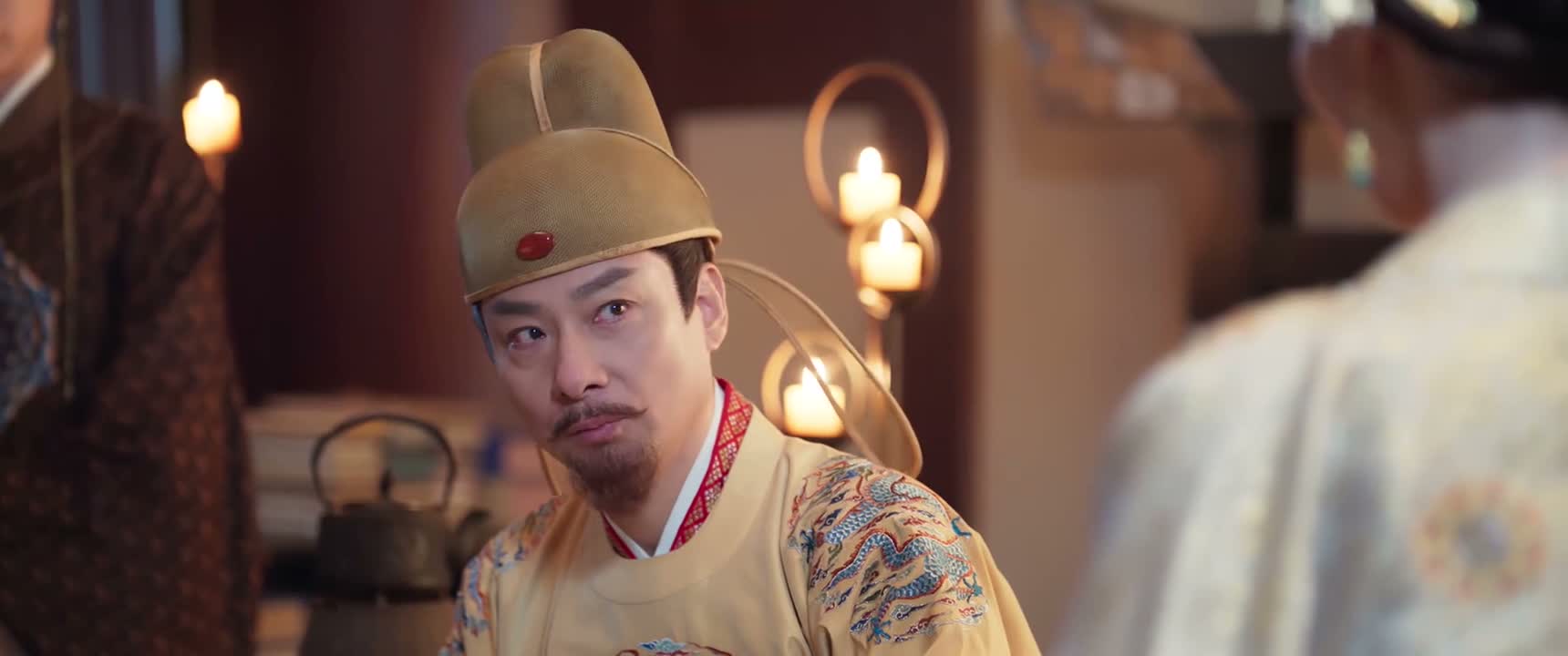
不是 你 你这小姑娘 我以为你是个菩萨心肠
“Young lady. I thought you were kind.”
THE DIALOGUE REEL
你 那那那 老同志怎么办
“What about those veterans?”
不是 你 你这 小姑娘 我以为 你 是 个 菩萨心肠
“Young lady. I thought you were kind.”
“I thought you were soft and easy to persuade, but you are surprisingly unyielding.”
In Chinese culture, invoking the Bodhisattva (Guanyin) symbolizes ultimate mercy and altruism, often leveraged in moral appeals to shame someone into being lenient.
LEARNING CHUNKS & PARTICLES
benevolent heart; deeply compassionate nature
Commonly used as a compliment for someone unusually kind, or ironically to guilt someone who refuses to help.
young girl; young lady
A colloquial form of address used by older adults toward younger women, sometimes carrying a slightly patronizing undertone.
VOCABULARY & EXPRESSIONS
Parallel Spoken Cinema Scenes (语义近邻切片)

“you're not a young girl anymore.”

“You stubborn lady. Why won't you listen to reason?”

“You're still young. You don't understand.”
“in such a grand occasion?”

“But I'm not a young girl anymore.”

“Since you're just one fine young lady, I'll let you get away with this.”