儿啊 娘 你受苦了 贤儿 贤儿
“My son. Mother. -You've suffered. -Jinxian. Jinxian.”
THE DIALOGUE REEL
娘
“Mother.”
儿啊 娘 你 受苦了 贤儿 贤儿
“My son. Mother. -You've suffered. -Jinxian. Jinxian.”
“-Are you alright? -I'm glad you're back. -Don't worry. -It's good that you're back. I'm fine.”
Direct spoken expression in this communicative setting.
Addressing children by their intimate names with 'er' (儿) suffixes expresses visceral tenderness and protective maternal concern in traditional Chinese families.
LEARNING CHUNKS & PARTICLES
to have suffered / endured hardships
Used as an empathetic phrase to acknowledge someone's suffering after a major ordeal or difficult period.
Enhances the intense emotional outcry and deep affection in the maternal vocative call.
Indicates a completed state of enduring suffering and emphasizes empathy.
VOCABULARY & EXPRESSIONS
Parallel Spoken Cinema Scenes (语义近邻切片)

“Mother! Xian! Mother, save me! Move!”

“-Lian. -Father. -Are you okay? -This is ridiculous.”

“- Miss. - Odd. Are you fine?”

“Qian, come on. Give me a hug. It's time. Qian, it's time to give me a hug.”
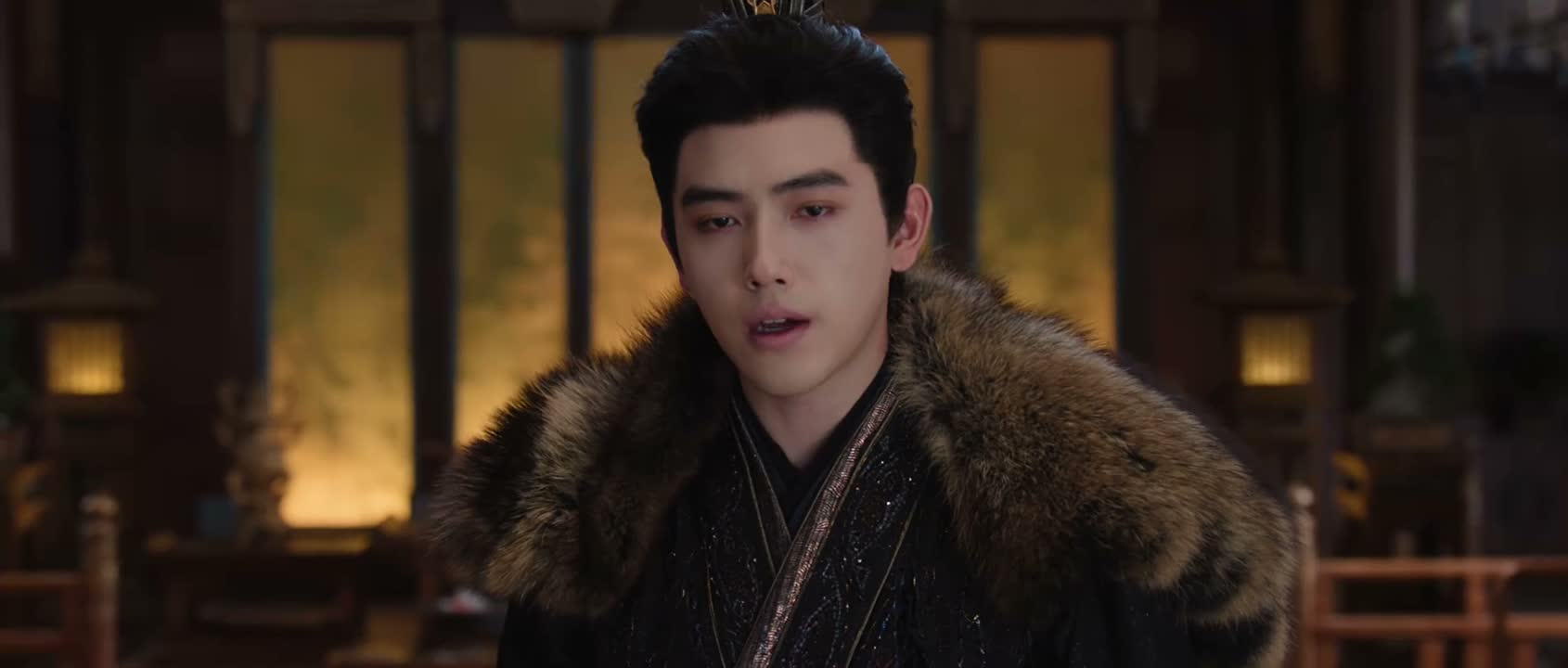
“You and Mother both suffered.”
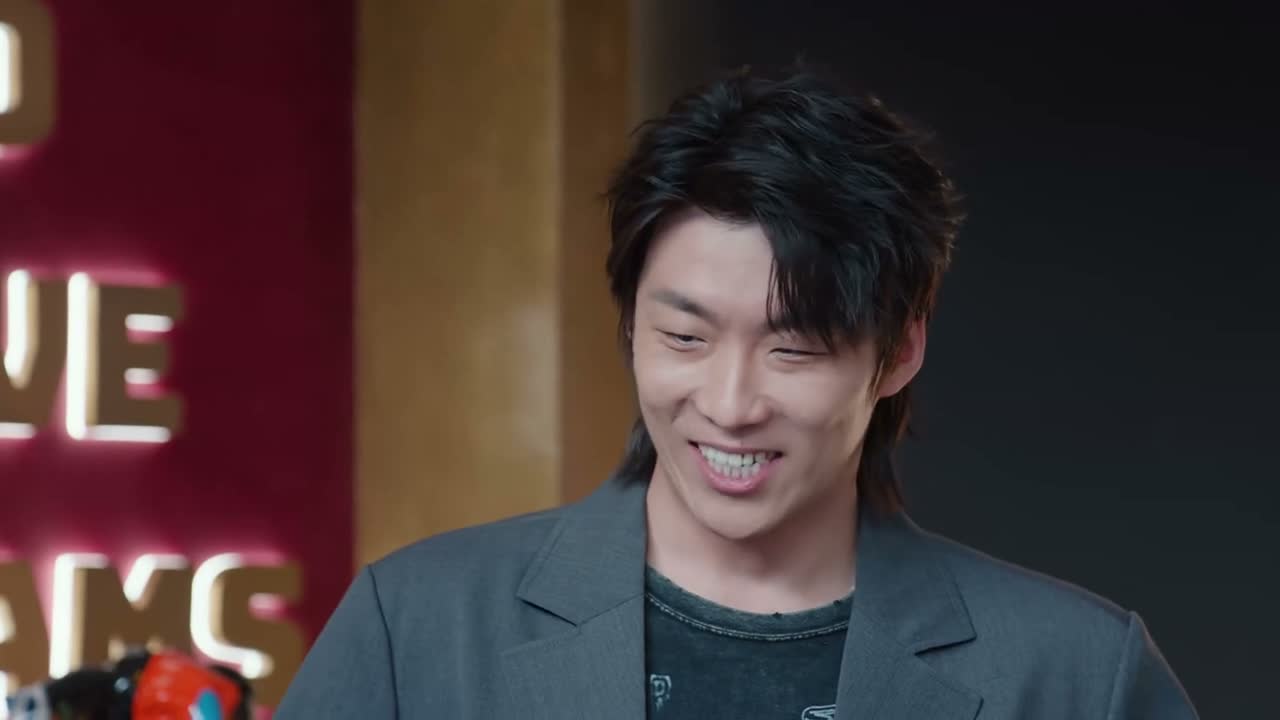
“Qian, you don't know. Many people”