- 娘子 你没事吧? - 奇奇怪怪的
“- Miss. - Odd. Are you fine?”
THE DIALOGUE REEL
“Just now, she almost hurt my hand.”
- 娘子 你没事吧 ? - 奇奇怪怪 的
“- Miss. - Odd. Are you fine?”
你是真的
“You're real.”
Direct spoken expression in this communicative setting.
Reduplicating adjectives like 奇怪 into 奇奇怪怪 adds vivid descriptive flavor and softens the tone, expressing colloquial bemusement rather than formal critique.
LEARNING CHUNKS & PARTICLES
are you okay? / are you alright?
The most standard conversational way to check on someone's physical or emotional well-being.
odd / peculiar / weird
A duplicated adjective emphasizing that someone's behavior or a situation feels distinctly unnatural or eerie.
Softens the question, seeking confirmation with an empathetic and caring undertone.
Attaches to the duplicated adjective '奇奇怪怪' to complete the descriptive evaluation.
VOCABULARY & EXPRESSIONS
Parallel Spoken Cinema Scenes (语义近邻切片)

“Well... My Lady, I'll wait outside. We heard earlier”

“Exactly. My Lady, there must be plenty of blessings coming your way.”
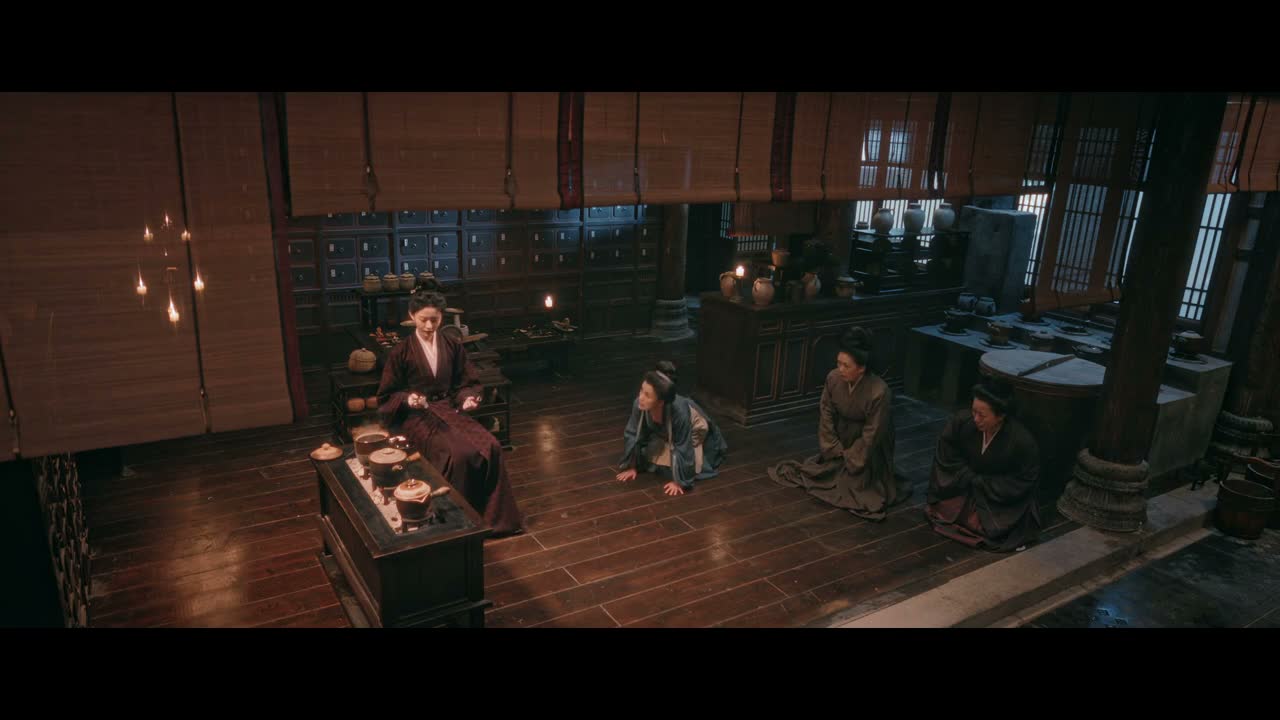
“My lady! …you have to bleed a little first, right?”

“No, Your Highness. Don't think that way.”

“Your Highness, why do you know everything?”
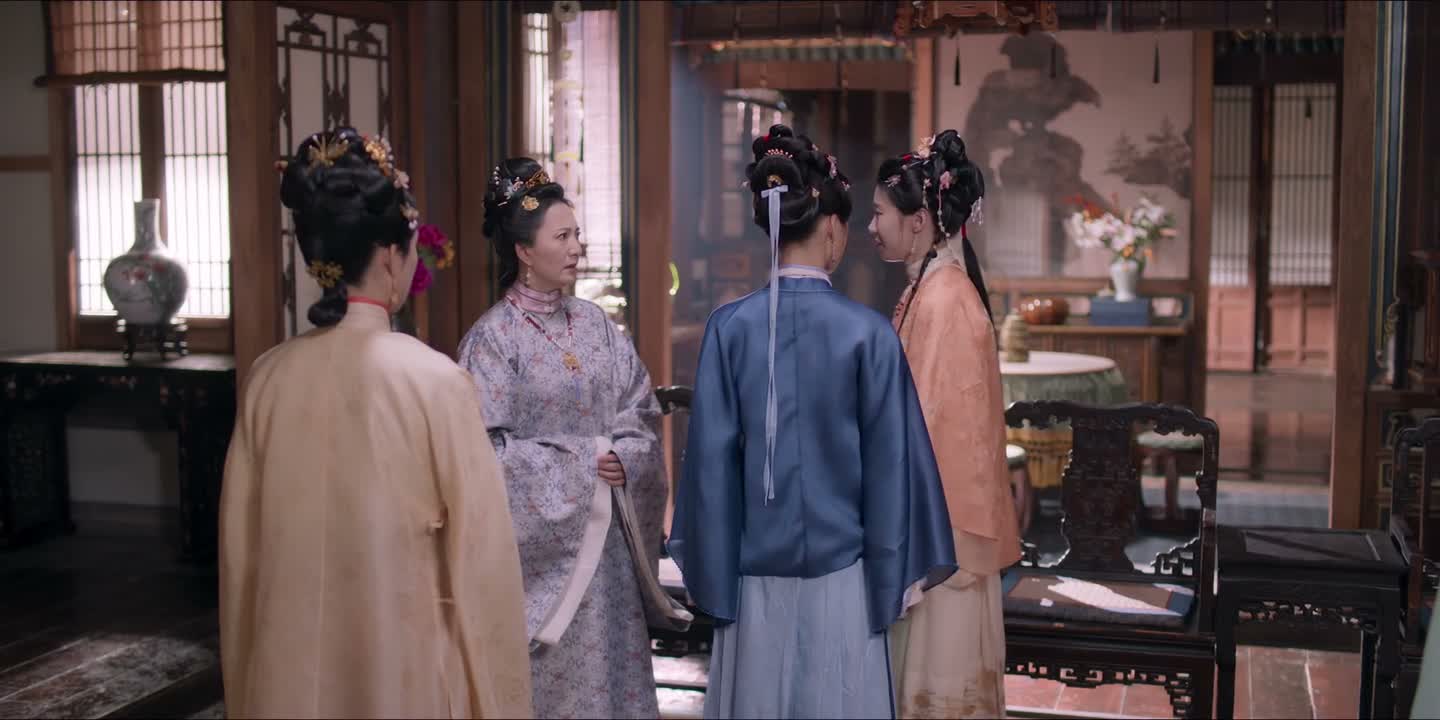
“I don't know. -Mother. -Enough.”