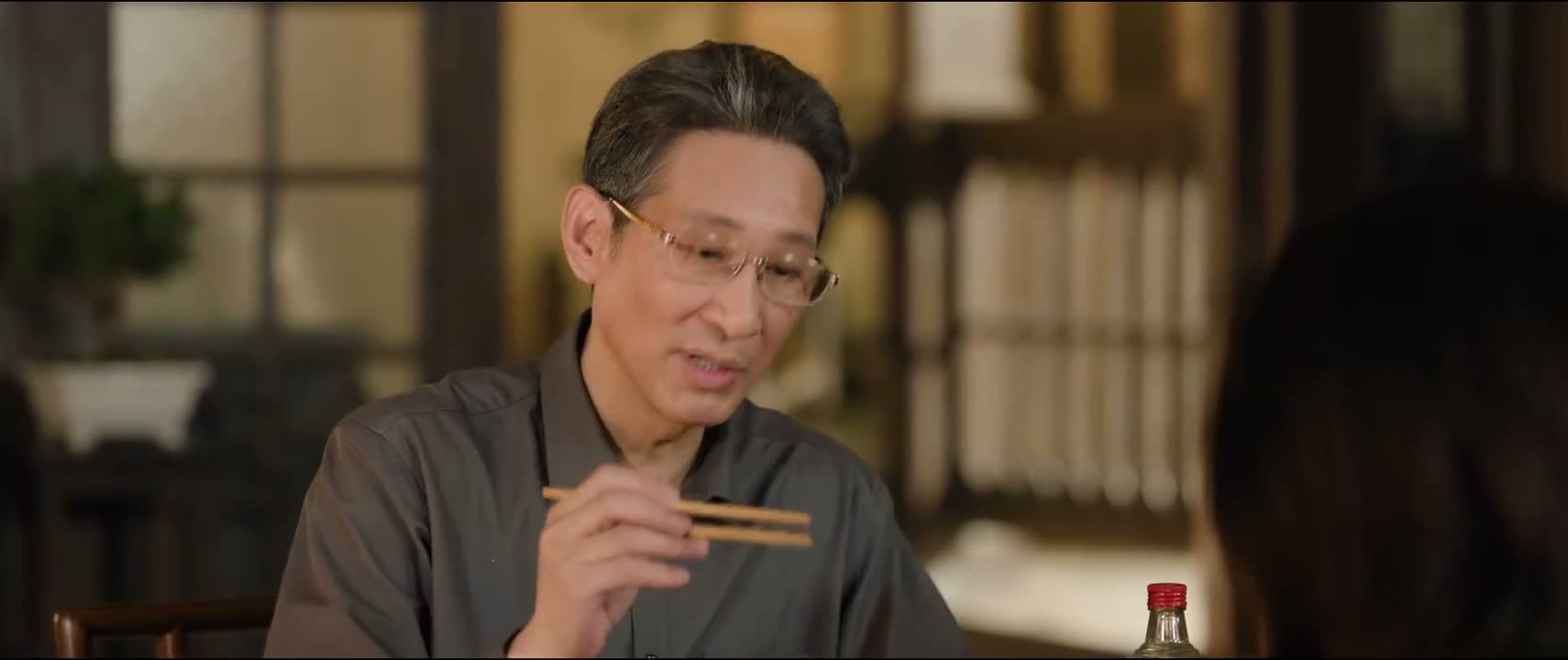
如今再来问罪论责 有什么意义呢
“What's the point of trying to get to the bottom of it?”
THE DIALOGUE REEL
人都已经死了
“She's already dead.”
如今再来 问罪 论责 有什么意义呢
“What's the point of trying to get to the bottom of it?”
你走吧
“Leave.”
“Nothing you do now can bring them back, so stop harassing me and leave.”
Chinese cultural philosophy often values practical closure over endless retribution once an irreversible tragedy like death has occurred.
LEARNING CHUNKS & PARTICLES
to assign blame and hold accountable
A formal four-character idiom suitable for dramatic or serious contexts when discussing moral or legal culpability.
what is the point; what purpose does it serve
Used as a rhetorical question to shut down futile arguments or reject an action as meaningless.
Softens the rhetorical question into a reflective, weary dismissal.
VOCABULARY & EXPRESSIONS
Parallel Spoken Cinema Scenes (语义近邻切片)

“have you come to judge me?”
“You came to interrogate us.”

“I'm here to demand an explanation.”

“or demand justice.”

“it won't matter even if they want to hold Yan Zheng accountable.”

“would be coming today to seek your forgiveness again.”