《The Imperial Coroner》 S2·E28 (17:39)
HSK 1
tīng wén nǐ chá fàn bù sī
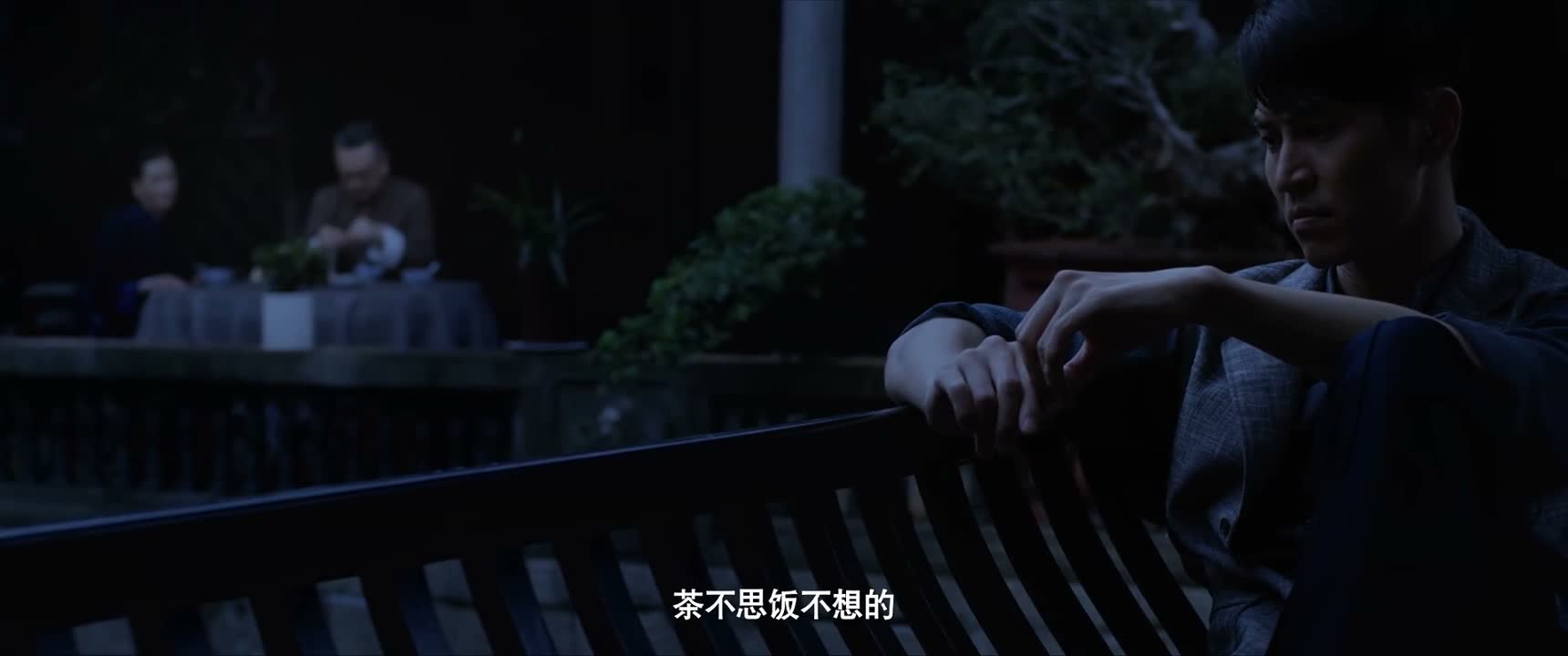
听闻你茶饭不思
“I heard you were very worried.”
《The Imperial Coroner》
S2·E28
TIMECODE: 17:39
·
1080P MASTER AUDIO
THE DIALOGUE REEL
[-1] PREVIOUS TURN
shì
是
“Yes.”
tīng wén nǐ chá fàn bù sī
CURRENT FOCUS
听闻 你 茶饭不思
“I heard you were very worried.”
[+1] FOLLOW-UP TURN
běn wáng tè yì qián lái kàn kàn nǐ
本王特意前来看看你
“I purposely came to visit you.”
Subtitles synced to millisecond timecode
Browse Show Clips →
Scene:
Historical & Court
Function:
EXPRESSING CONCERN
Tone:
GENTLE AND ATTENTIVE
Emotion:
CONCERN
WHAT THEY REALLY MEAN (PRAGMATIC SUBTEXT)
“I know you are deeply distressed or brooding, and I came to see what is going on with you.”
💡 Cultural Insight: Indirect Care via Somatic Symptoms
In traditional Chinese culture, emotional suffering and distress are frequently referenced through somatic signs such as losing appetite ('茶饭不思') rather than direct psychological terms.
INTENT TAGS:
#inquiry
#caring
#probing
#affection
🧩
2 CHUNKS · 0 PARTICLES
LEARNING CHUNKS & PARTICLES
茶饭不思
SPOKEN CHUNK
having no appetite for tea or food due to distress or longing
A classic four-character idiom used to describe someone so troubled, lovesick, or grief-stricken that they cannot eat.
听闻
SPOKEN CHUNK
to hear of; to be informed that
A formal and literary alternative to '听说', commonly heard in costume dramas or elevated registers.
🏮
2 EXPR · 2 GRAMMAR
VOCABULARY & EXPRESSIONS
COLLOQUIAL EXPRESSIONS:
CROSS-CINEMA CORPUS BOARD · PARALLEL SCENES
EXPLORE BY SEMANTIC SIMILARITY
Parallel Spoken Cinema Scenes (语义近邻切片)
《The Imperial Coroner》 S2·E28 (17:39) · Authentic Cinema Dialogue Corpus