听闻
tīng wénCommon spoken expression used by native Chinese speakers in daily life.
[Scene: 历史宫廷]
(17 clips) 00:02
 00:03
 00:03
(再敬樊将军一杯) ── Previous context
“[Action Through Inaction] Grand Tutor. I heard your heart condition has flared up recently, Master.”
 00:02
 00:02
 00:02
 00:02
(殿下) ── Previous context
“[Majestic and Efficacious] I heard Yu Bao'er is your only flesh and blood.”
 00:02
(你不是正在西北任职吗) ── Previous context
“[Grand Tutor Li's grandson, Li Huaixian] I heard the Marquis of Wu'an has returned.”
 00:02
 00:02
 00:03
 00:02
 00:02
 00:02
 00:03
(离山嫁女 也是当年京中的一等奇事) ── Previous context
“I heard the late emperor gave a mansion to the Ye family”
 00:02
 00:02
[Scene: 社交聚会]
(4 clips) 00:03
(这位公子 您二位怎么看起来有点面生呢) ── Previous context
“We heard Miss Hongyuan is debuting a new song today,”
 00:02
 00:02
 00:03
(我告诉你啊 自从我离开荆州之后啊) ── Previous context
“I heard about a compassionate doctor named Doctor Sun at the Yunwu Mountain.”
[Scene: 警匪刑侦]
(3 clips) 00:03
 00:03
(沁香姑娘不必害怕的) ── Previous context
“We heard Master Shenguan once treated you for an illness.”
 00:02
[Scene: 其他场景]
(2 clips) 00:02
 00:04
(你是如何想到这个巧方的) ── Previous context
“I heard that once in ancient times, an emperor's concubine”
[Scene: 家庭日常]
(1 clips)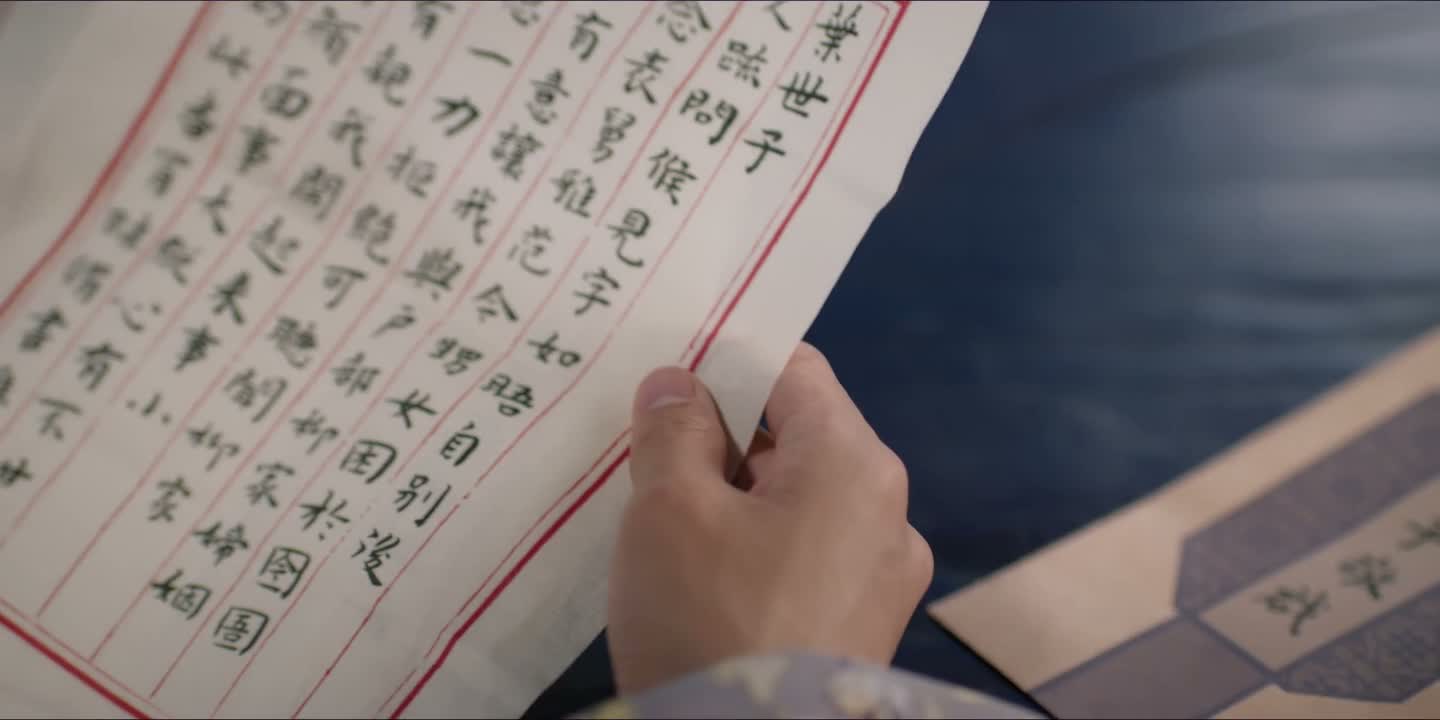 00:02
(我原想一力拒绝) ── Previous context
“[but I hear the Liu family is related to the marquisate.]”
📌 意外
→Nuance: 表达核心意图均为听说对方遇险
📌 说了吗
→Nuance: 同向近义词根配对: [皇帝 ↔ 皇上]
📌 不愧是
→Nuance: 同为赞誉李寺卿能力出众
📌 来
→Nuance: 同为臣子表述听到某事
📌 也是
→Nuance: 均指王忠当过将军,意图一致
📌 怎么说
→Nuance: 均指王忠当过将军,意图一致
📌 果然
→Nuance: 皆感叹事情极其罕见令人震惊
📌 果然是
→Nuance: 皆感叹事情极其罕见令人震惊
📌 听说
→Nuance: 死讯的口语化委婉替代表达