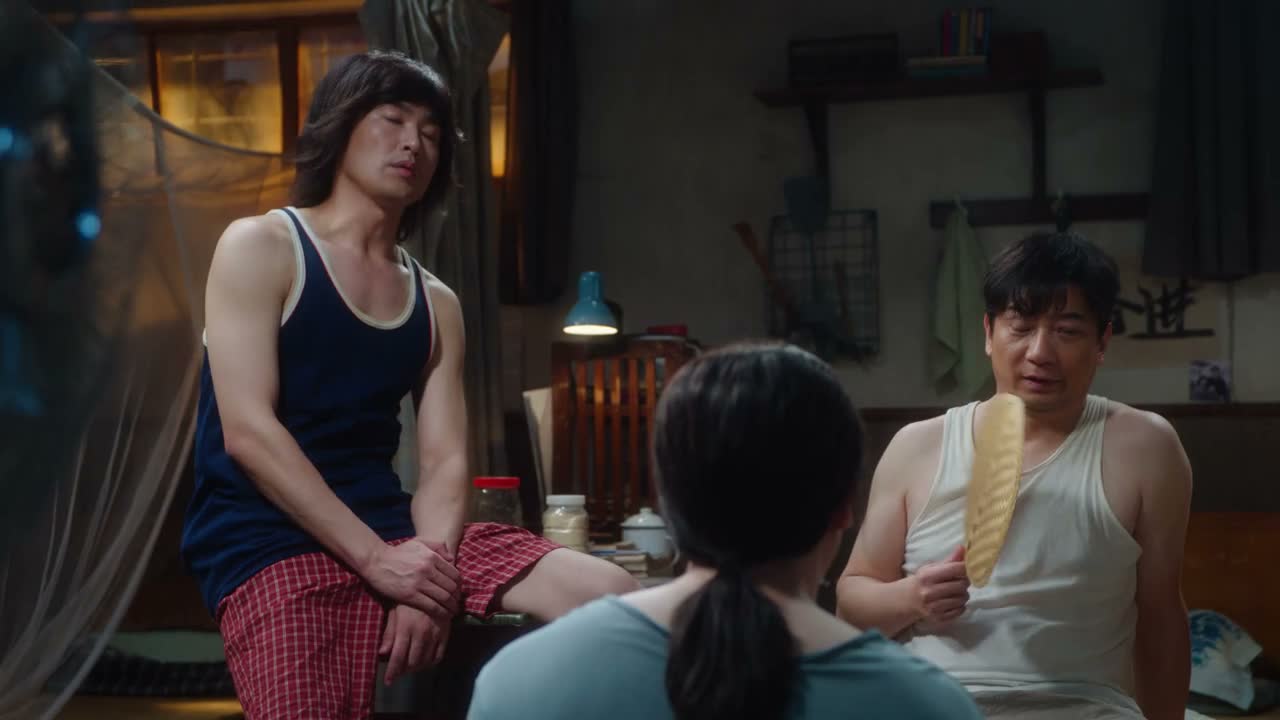
你得了便宜还卖乖呢怎么
“You're being smug after getting a bargain, huh?”
THE DIALOGUE REEL
我姐不会观察我那么细致
“True. Huan'er doesn't observe me that carefully.”
你 得了便宜还卖乖 呢 怎么
“You're being smug after getting a bargain, huh?”
对了 还 还有汤圆呢
“Right. There are also tangyuan.”
“You got lucky, so stop acting like you're the victim here.”
Chinese interpersonal dynamics often use the idiom '得了便宜还卖乖' to keep friends or family members humble and prevent them from showing off excessive complacency.
LEARNING CHUNKS & PARTICLES
to act innocent or play the victim after getting an unfair advantage
A very common idiomatic phrase used to call someone out, either playfully among friends or critically during disputes.
Adds a lively, rhetorical edge to the question, expressing mild surprise or playful scrutiny.
VOCABULARY & EXPRESSIONS
Parallel Spoken Cinema Scenes (语义近邻切片)

“"Duh leh pyen-ee hi my guy" (cashing in and pretending not to notice).”

“No, you're acting coy after benefiting.”

“so smug after taking advantage of others.”
“Don't push your luck after getting off easy.”