又去街上偷听茶馆讲书了?
“go out again and hear a story at the tea house?”
THE DIALOGUE REEL
又去街上 偷听 茶馆讲书了?
“go out again and hear a story at the tea house?”
那后面还说了什么呀? 说这
“What happened next in the story? Later,”
“Caught you! You have been slacking off listening to stories again, haven't you?”
Historically, teahouse storytelling was a primary source of news, folklore, and entertainment in Chinese urban life, where passersby would often linger outside to listen.
LEARNING CHUNKS & PARTICLES
to eavesdrop; to listen secretly
Can refer to actual spying, but here used humorously to suggest someone listened to a public performance without paying or lingering on the side.
storytelling; reciting traditional narratives
An older or dialectal equivalent of 评书 or 说书, referring to professional teahouse storytellers.
Marks the completion of an action, turning the inquiry into a playful confrontation about a completed event.
VOCABULARY & EXPRESSIONS
Parallel Spoken Cinema Scenes (语义近邻切片)

“Who told you we're out to steal the book?”
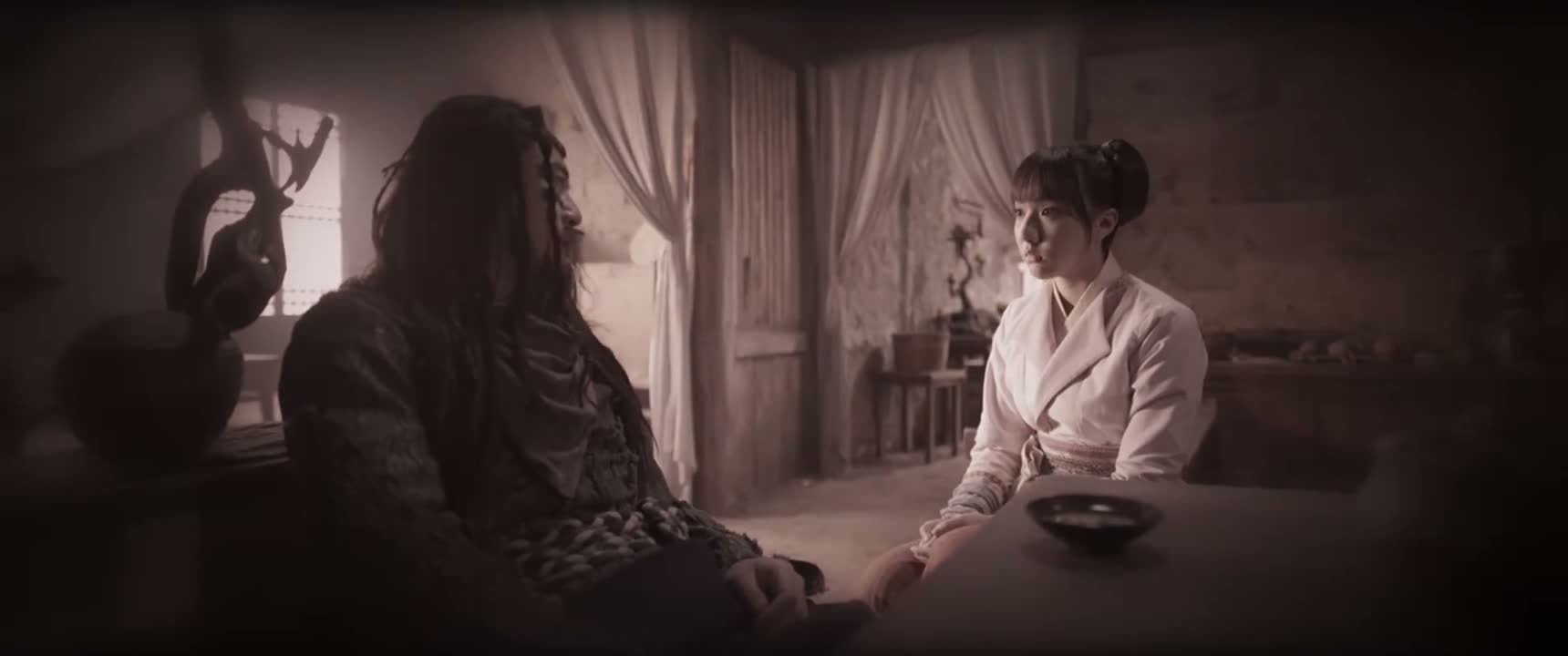
“I even secretly read my father and brother's books”

“- Were you listening? - [Martin] It was hard not to.”
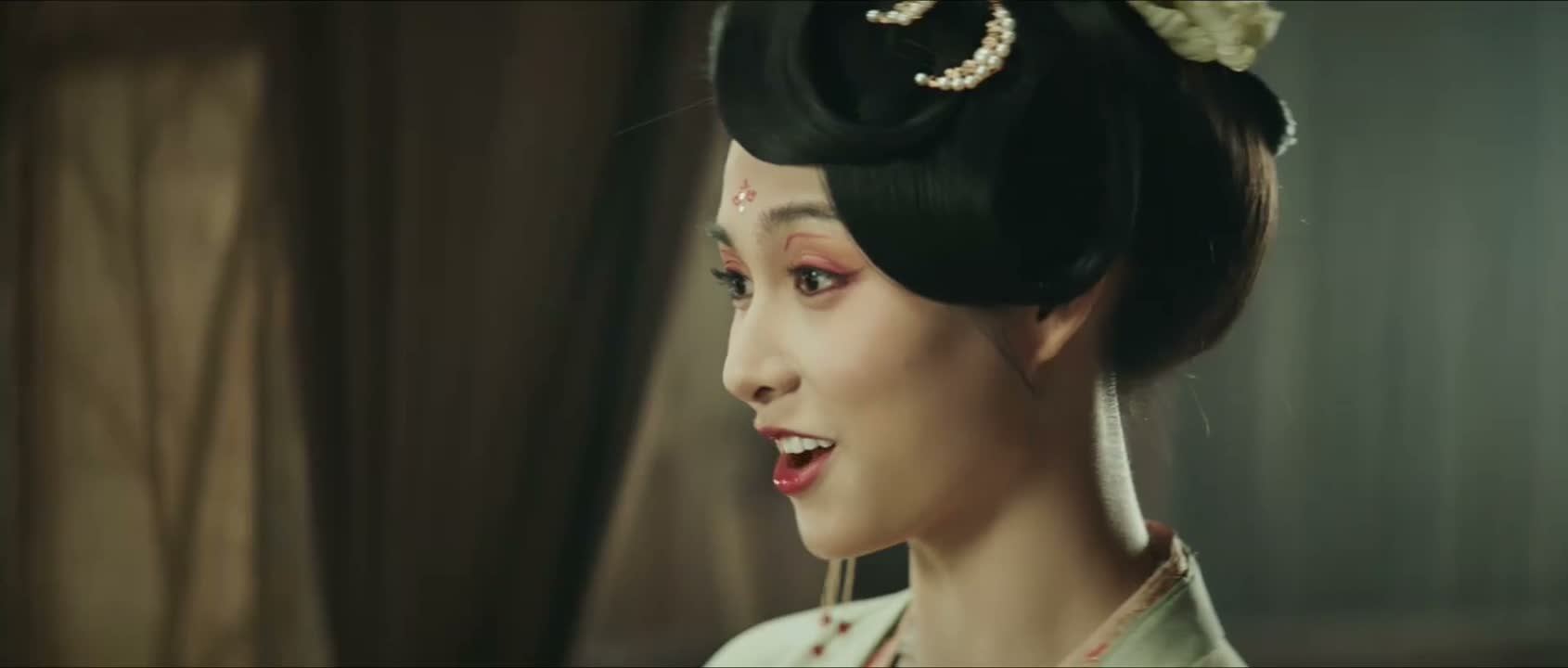
“as to resort to thievery.”

“You heard that by eavesdropping outside.”

“Even if someone tries to eavesdrop, they can't hear much.”